London farm experiments with more sustainable ‘model of thirds’
Why It Matters
Local food producers like small-scale nonprofit farms can give back to their communities by selling more affordable produce with a lower carbon footprint than grocery store items that must be shipped. But creating a sustainable revenue stream for these organizations can be a challenge.
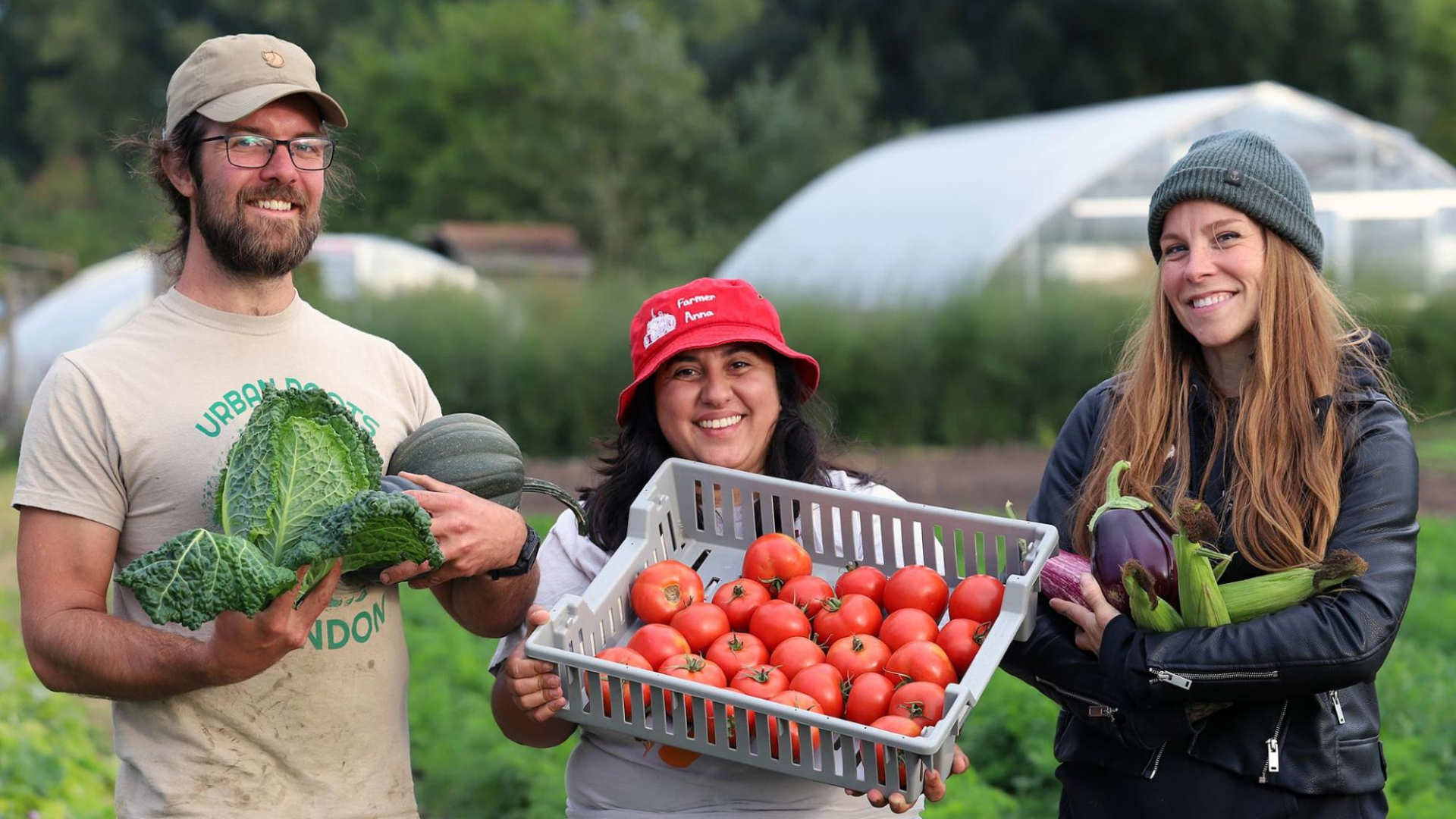
A farm in London, Ont. is experimenting with a working model that helps them give back to the community and move towards financial stability.
Urban Roots farm says the method, called a “model of thirds,” allows them to balance their business needs with their social mission of community impact.
“We’re really trying to strive here to build something more than just a farm to buy food,” said executive director Anna Badillo.
“It’s a community working together, tackling issues that affect all of us.”
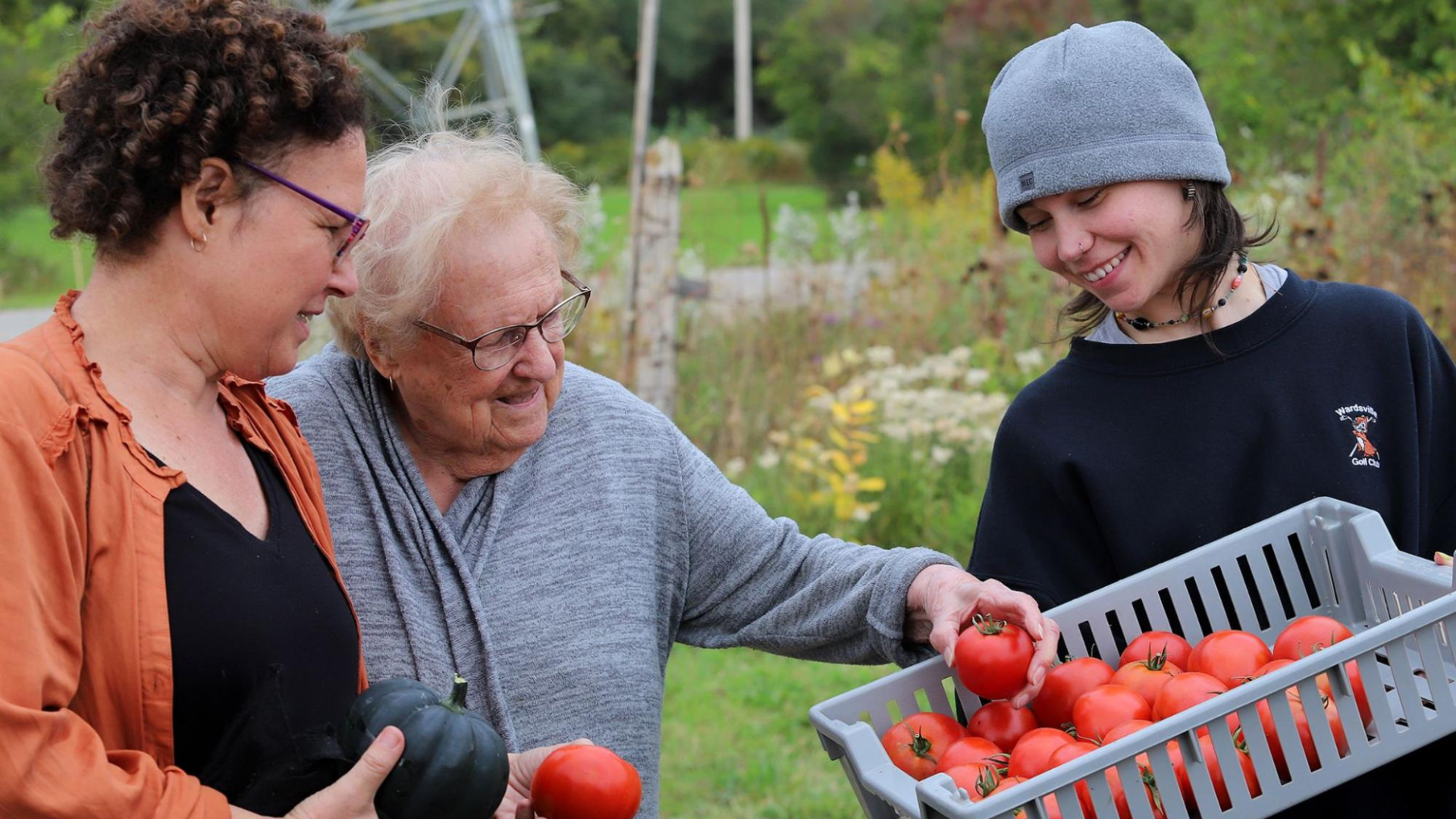
Urban Roots divvies out its produce at different rates to make it work. One-third is sold at market rates to outlets; one-third is sold at below-market to local businesses or directly to consumers, and the rest is donated to local organizations.
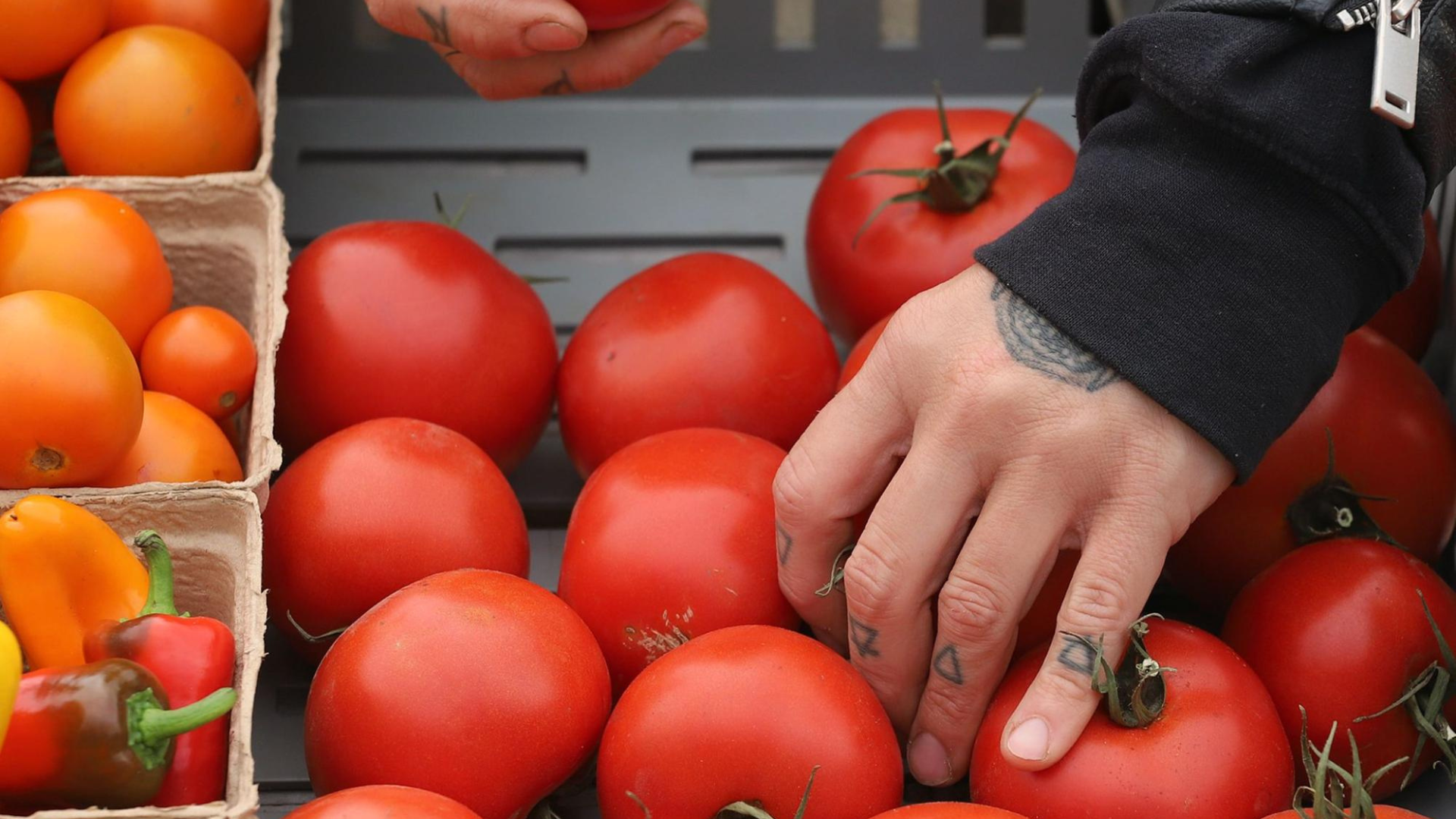
Below-market produce is sold directly at the farmgate at around half the price of grocery stores. A pound of carrots costs a dollar, for example, and a squash costs two dollars, no matter its size.
Wholesale buyers purchase the remaining produce. Badillo said she hopes expanding the scale of the farm, which had a total output of 20,000 tons last year, will eventually allow for these at-market sales to pay for the donations and farmgate sales.
Food insecurity in London became worse over the pandemic, said Badillo. Rising interest rates and inflation have also squeezed Canadians’ pocketbooks.
The average price of food bought from grocery stores has jumped 20 per cent since 2020, Statistics Canada data reveals. Produce, in particular, has continuously outpaced the average inflation rate since April 2022.
According to the 2021 Census of Agriculture, 13.6 per cent of the 26,000 farms in Canada made direct sales to individual consumers or businesses like Urban Roots.
Of those farms, 76 per cent made those sales through direct deliveries to consumers or on-site stands.
The census included only one alternative, more structured approach: community-supported agriculture (CSA). In a CSA, individual households buy a share of the farm outright, which gives them regular deliveries (usually weekly) during the growing and harvest seasons.
CSAs can also expand by partnering with other food producers and distributing their products or by incorporating as a co-op.
However, only 2.9 per cent of farms making direct sales in Canada used a CSA, according to the census.
“Farming doesn’t necessarily pay well — it’s a labour of love. That’s where we need innovation and different types of business models,” said Justin Andrews, a food sustainability entrepreneur in Halifax.
Andrews’ latest venture is Food Web, a for-profit company that facilitates affordable kitchen rentals for other food businesses.
Eventually, he hopes the company will grow to become a social innovation lab focused on food, providing consultancy and business services.
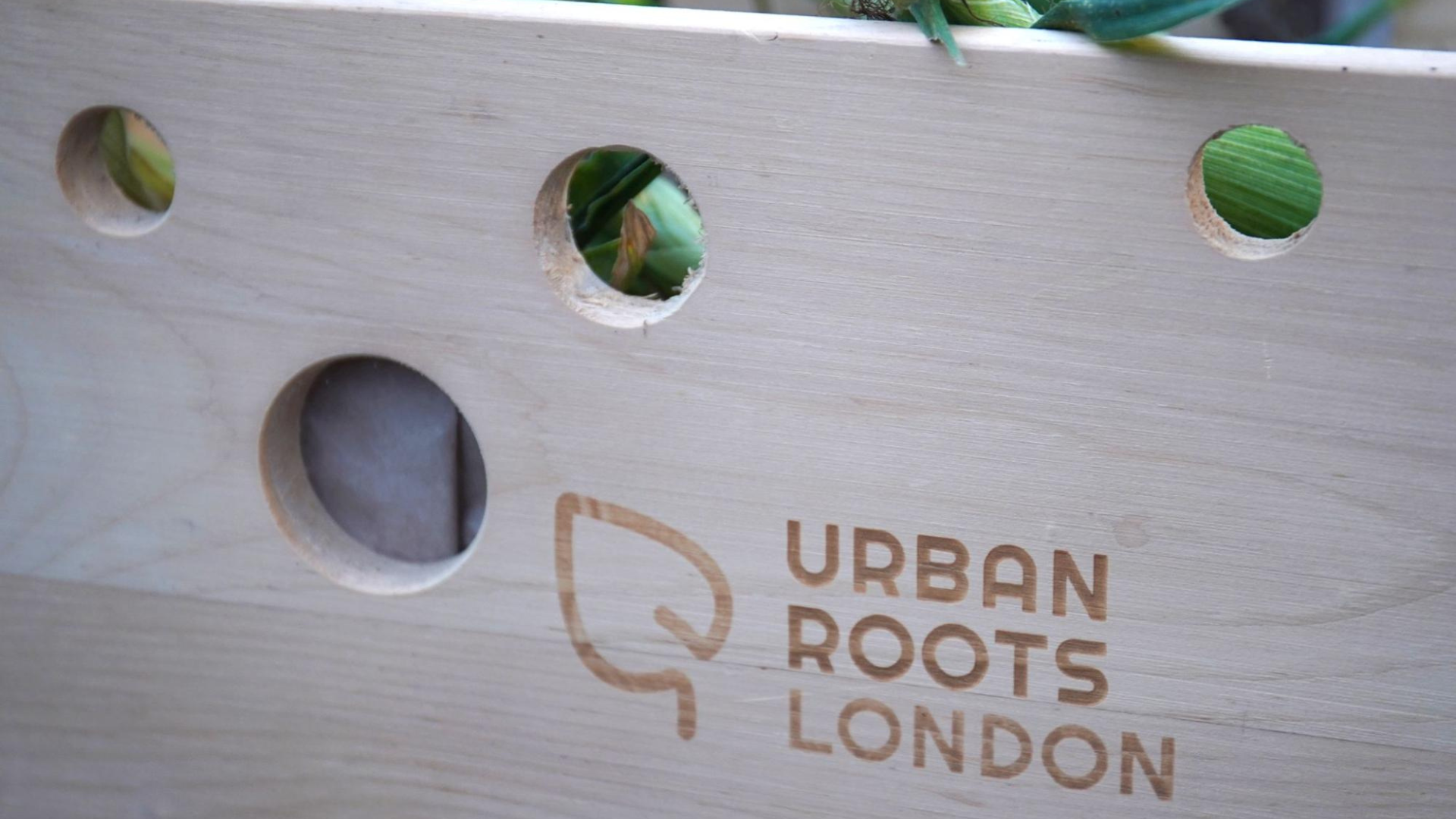
There is a misconception that local food production only matters because it reduces carbon emissions from transport vehicles and storage facilities, said Andrews.
However, this is not always the case for large farms that move masses of food at scale or for produce shipped to storage facilities in another province with a cleaner energy supply, he added.
The universal argument for local food production is that it makes a community self-sufficient and able to withstand economic shocks, Andrews said.
“For me, the number one value to a community of local food is resilience —even if it’s more expensive, even if the logistics of the operation aren’t perfect in the business sense.”
Urban Roots’s model of thirds will need time to grow, said Badillo. Right now, the wholesale tier is the smallest — and when they sell to other social enterprises, they still offer a 25 per cent discount to support social impact above profit. The team is working on a three-to-five-year strategy to identify growth opportunities for their wholesale tier.
“Because of how large our operation budget is, we’ll never be fully reliant on just the wholesale. But the goal is that it will cover the farmgate market and those donations, and we’ll rely on grant funding for other programs and staff wages.”
“At the end of the day, we’re just here to feed people and make sure they have access to healthy, affordable produce.”
Editor’s note: A previously version of this article incorrectly stated that Urban Roots’ donations were distributed by the Middlesex-London Health Unit (MLHU). The MLHU purchases produce from Urban Roots, which is distributed through community partners.
Tell us this made you smarter | Contact us | Report error