
Home
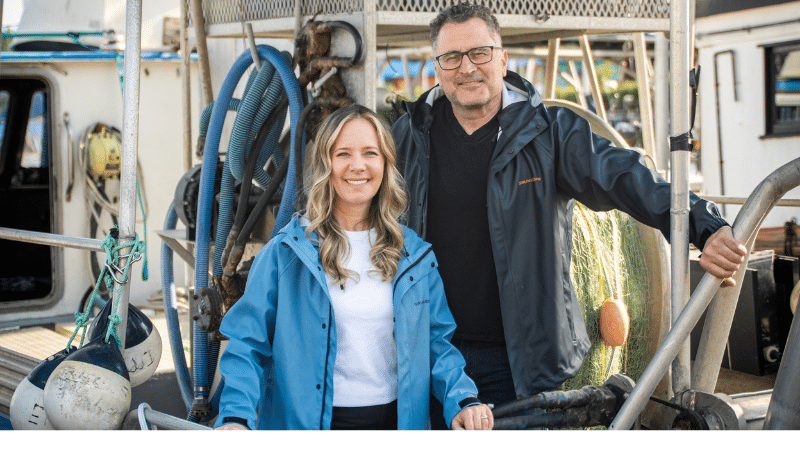
Partnered Partnered content Beyond profit: Building businesses that create better communities
Sonia Strobel built Skipper Otto around the idea that doing business well can also mean creating meaningful change. Her story, along with dozens of other entrepreneurs, will be featured at Coralus’s Illuminate 2026, where participants will explore new ways of doing business.

We Are Connecting the Dots … on Purpose.
Future of Good is a digital media platform and learning hub that helps changemakers go from simply being informed to staying aligned. We bring together sharp journalism, hands‑on learning, and a supportive community so people can better navigate the direction of social change in Canada.
Latest News
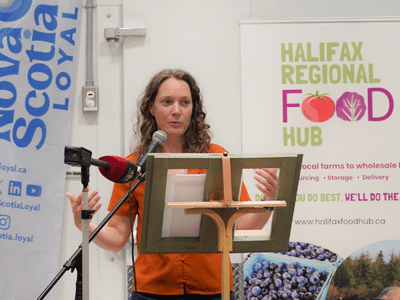
The missing middle: Why $1 billion for food hubs may build wealth, but won’t bring cheaper groceries
Different tools are needed to address what are connected but ultimately separate issues: food accessibility and food affordability, say experts

Show your cards: Quebec entrepreneur urges young customers to vote in the upcoming elections
Historically, youth aged 18-34 have the lowest voter turnout in provincial elections, according to Elections Canada.
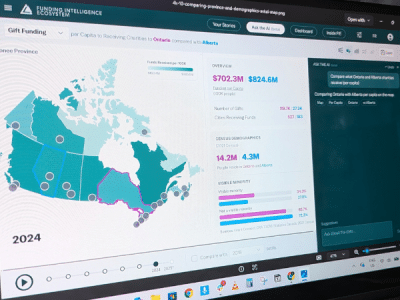
Imagine Canada launches visual tool to ‘see’ non-profit funding landscape
A new data visualization tool designed to let funders, non-profits and researchers understand the entire non-profit funding ecosystem

Deadline looms for non-profits, charities to report ‘foreign principals’ to Ottawa
Charities, non-profits and institutions must now register any arrangements with foreign principals working to effect government behaviour

Non-profit housing org pilots $20 million loan guarantee pool
Specifically developed for Nesting Ground’s portfolio of affordable housing properties, the non-profit is looking to grow the loan guarantee pool to $50 million in its second round.

Partnered Partnered content Report: Youth need consistent mentoring to help navigate the job market
Sometimes the hardest part of starting a career isn’t knowing what you want to do, it’s knowing how to get there. Mentor Canada’s newest report explores how mentoring can help young people build skills, connections and confidence as they navigate the transition to employment.
Impact Briefs

Five ways to fix the busted funding model
Over the past few years, I’ve been laying low. I took some time to reflect and reset, especially in my local community in Kelowna. However, this month I attended two […]
Opinion

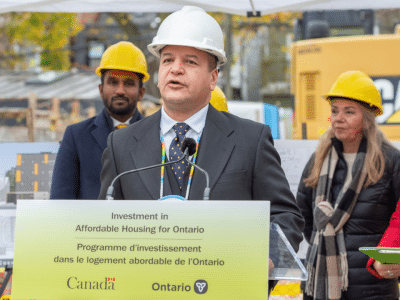

Special: Food and Housing Insecurity

Ottawa chooses Canadian Housing Acquisition Fund to manage $1.5 billion affordable housing money
The massive new fund will help grant Indigenous, cooperative and non-profit housing providers easier access to capital to help buy and develop homes for lower-income Canadians.

Food-rescue groups turn to processing facilities to respond to waste and insecurity
New facilities in Ontario and Manitoba aim to turn surplus food into repurposed products while expanding access to food assistance.

Explainer: The divergent fix-it paths of Ontario and B.C.’s condo oversupply problem
Both provinces have too many tiny, shoebox condos, but both are taking different approaches to fixing it.
