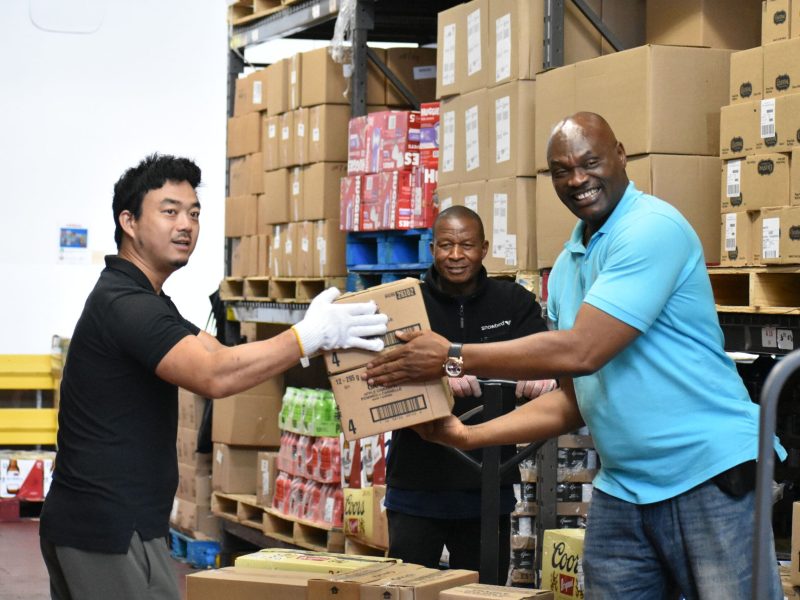
We imported American philanthropy. It’s time for a Canadian solution
By Jeff Golby Four years ago, I sent an angry email to a foundation after burning the midnight oil on yet another grant application, only to get their prompt rejection. […]

By Jeff Golby Four years ago, I sent an angry email to a foundation after burning the midnight oil on yet another grant application, only to get their prompt rejection. […]
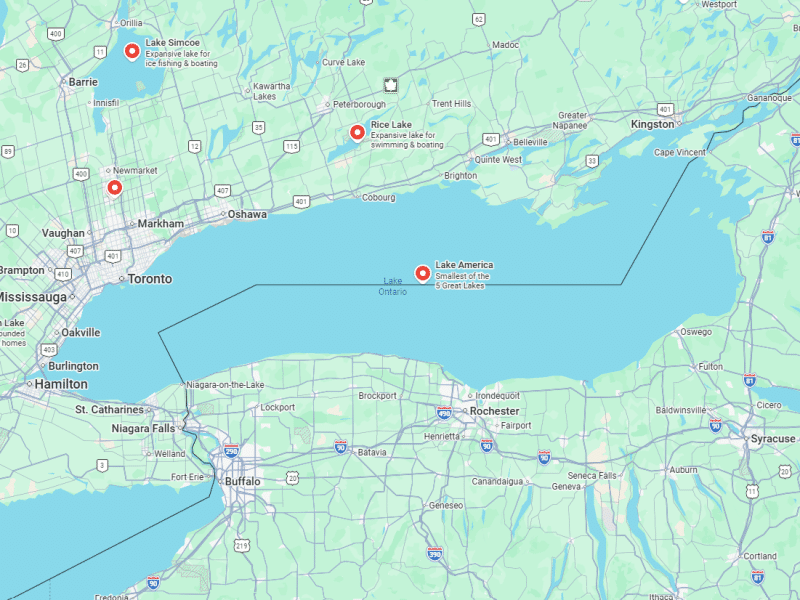
Why a single renaming order taps into deeper fights over land and language

Clever, kind and witty, she used her fame and her fortune to bless everyone else.

New research suggests women and racialized CEOs often outperform white men — not because they’re inherently better leaders, but because they’ve had to clear higher, often unfair, barriers to reach the top.

How shared values help leaders steady an organization when everything feels uncertain

Why safety, comfort and joy matter more than distance when designing walkable cities
NO PAYWALLS HERE
Future of Good’s journalism is free. But we need your support to keep it that way. Sign up for our free newsletter to help!
Grab Your Copy Now
SIGN UP NOW