How GreenShield is helping expand culturally safe Indigenous mental health services
GreenShield’s partnership with Noojimo expands access for First Nations, Inuit and Metis communities.
Why It Matters
Investing in care models led by and for Indigenous people is rooted in traditional knowledge, and it leads to better health outcomes and stronger communities.
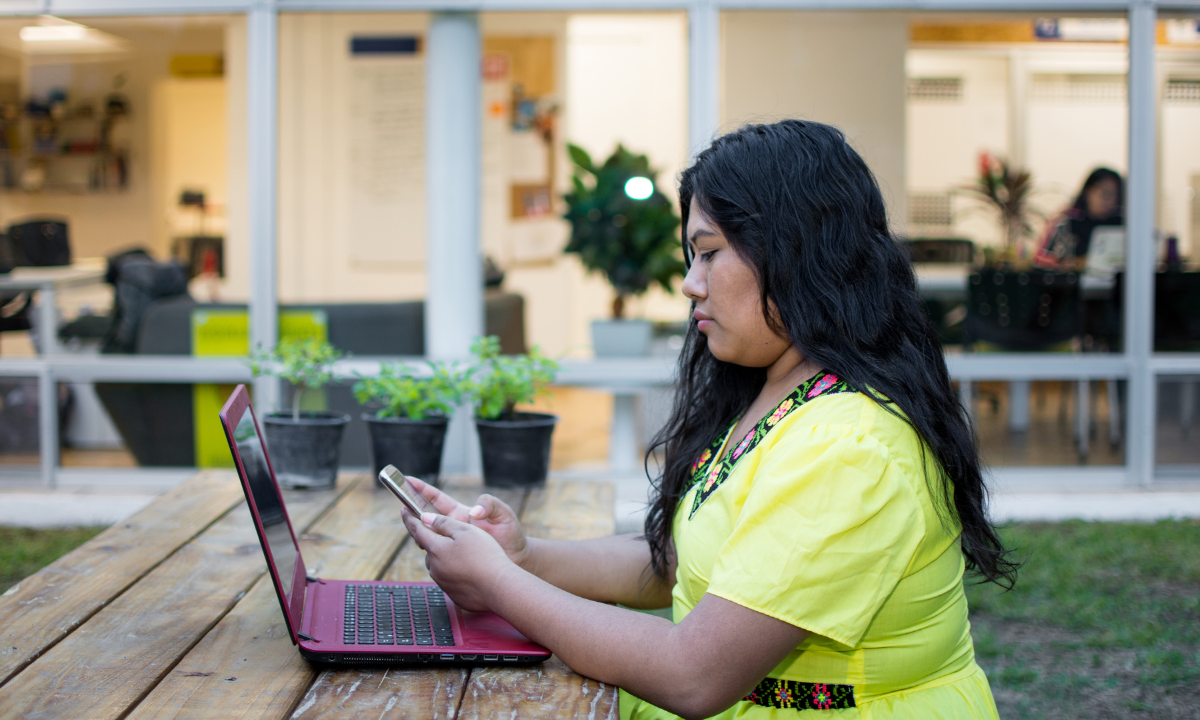
GreenShield has partnered to expand Noojimo’s services to Indigenous communities. (Submitted)
This story has been made possible thanks to the generous partnership and support of GreenShield. Read our editorial ethics and standards here.
Indigenous people in Canada face stark healthcare disparities.
With shorter life expectancies, higher rates of chronic illness, and a greater chance of encountering racism in the healthcare system, according to a Statistics Canada report.
Yet, Indigenous-specific care remains underfunded and often misunderstood.
In response to these challenges, Noojimo Health, Canada’s first fully Indigenous led virtual mental wellness clinic, is expanding its outreach through a partnership with GreenShield.
The collaboration offers Noojimo’s services at no cost to Indigenous communities, providing culturally safe counselling and support.
“This partnership fosters a two-eyed seeing approach to create a more holistic and culturally safe mental wellness service for Indigenous relatives,” said Bill Hill (Ro’nikonkatste), the co-CEO and visionary of Noojimo Health.
In addition to providing free counselling, GreenShield offers Noojimo’s services to clients through GreenShield+, its digital health and benefits platform.
“Our shared values reflect more than a partnership, but a deep connection that positively impacts individual lives,” said Mandy Mail, the Executive vice president, GreenShield Cares.
“We are honoured to expand Noojimo’s services and provide more Indigenous individuals and families access to culturally safe mental wellness care.”
Both organizations exchange knowledge and resources to strengthen healthcare solutions, with the goal of empowering Indigenous communities for generations.
“GreenShield’s not waiting for the system to evolve, they’re helping to shape it. Their commitment to social impact, truth and reconciliation, and Indigenous-led wellness is more than talk, it’s action,” said Valérie Michelutt, co-CEO of Noojimo.
The partnership fills a large hole in Canada’s healthcare system.
In 2024, 86 per cent of First Nations people living off-reserve reported to Statistics Canada, that having healthcare services that support Indigenous traditional medicines, healing, and wellness practices was very or somewhat important to them.
Nearly half (47 per cent) of First Nations living off-reserve reported needing mental health care in the same survey.
Through its collaboration with Noojimo, GreenShield is helping bring Indigenous-led virtual mental wellness services to more people nationwide.
GreenShield’s goal is to invest $75 million to directly support underserved Canadians by the end of the year, improving the lives of at least one million Canadians.
The story behind Noojimo
The name “Noojimo,” from Anishinaabemowin, means “the mind is in motion toward healing.”
As a nurse, social worker and teacher, Hill has spent his career working on the front lines of community care.
During the COVID-19 pandemic, Hill said many of Canada’s systemic challenges were exposed, but it highlighted one in particular: the urgent need for accessible, culturally sensitive healthcare for Indigenous people.
As he watched northern communities struggle with isolation and a lack of mental health support during the pandemic, he saw an opportunity to rethink how healthcare could be delivered.
That vision sparked the idea for Noojimo Health.
The idea began five years ago, during a breakfast with Hill’s colleagues.
“It all happened over toast and eggs… and a lot of Cheez Whiz,” Hill said.
A year later, Noojimo Health was created.
Noojimo has grown from a team of two to a network of nearly 50 Indigenous clinicians offering culturally safe mental wellness support. It is now expanding its reach through a partnership with GreenShield.
Noojimo blends Western clinical practices with Indigenous knowledge and traditions.
The program emphasizes early intervention, prevention, postvention, and mental health education, all delivered in a culturally safe environment.
“The human brain is constantly scanning for danger, for survival, especially when someone has experienced trauma, colonization, or systemic exclusion,” said Michelutt, who also holds a neuroscience master’s degree.
“When care is culturally grounded and delivered by Indigenous clinicians who reflect the diverse Indigenous communities they serve, it sends powerful signals of safety to the nervous system, which facilitates the mind-body connection.”
By improving access to care, Noojimo aims to reduce the strain of mental health crises and support healing that spans generations.
“By expanding access to care today, we’re impacting lives and improving health outcomes,” Hill said.
Change begins in the classroom
The push for more culturally sensitive mental health care begins in the classroom, with post-secondary institutions playing a role in training the next generation of providers, according to Monnica Williams.
Williams holds the Canada Research Chair in Mental Health Disparities and said there is an “obscene” under-representation of Indigenous psychologists in Canada.
“We looked to see what the diversity was of all the psychology faculty who are practicing at Canada’s universities, and I can tell you out of 1,200 professors only five were Indigenous.”
She would like to see more training programs opened up to Indigenous students.
“The best mental health care for Indigenous people is going to come from other Indigenous clinicians and there just aren’t a lot of them,” she said.
“We need to make a conscious decision to prioritize Indigenous people who would like to be trained as mental health professionals.”
Williams sits on the Canadian Psychological Association’s accreditation panel.
In 2023, the association released new accreditation standards, requiring programs to demonstrate how they teach Indigenous interculturalism in their training.
“This is only just implemented and so it’s going to be years before this starts to reap the benefits in terms of psychologists,” she said.
In the meantime, she says community-based initiatives like Noojimo are helping to deliver essential support, and she hopes broader changes in the public health system take shape.
Your job. Your mission. Your news.
With your support, the sector you're building gets the journalism it deserves, and you get a tax receipt.

Author

Related Articles
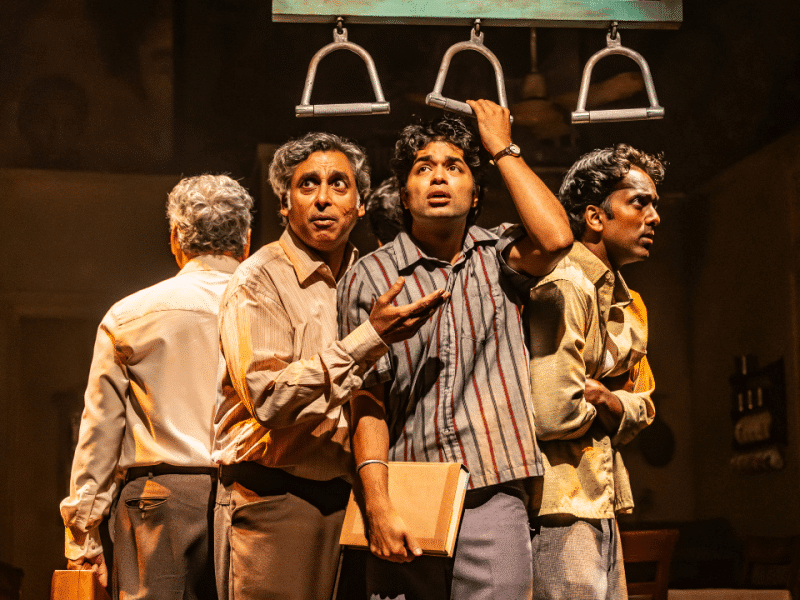
Caste, corruption, and the collective: Crow’s Theatre’s A Fine Balance confronts India’s enduring inequities with humour and heartbreak
The Giller Prize-winning novel explores the realities of caste violence in India, which has been adapted into a powerful stage production in Toronto.
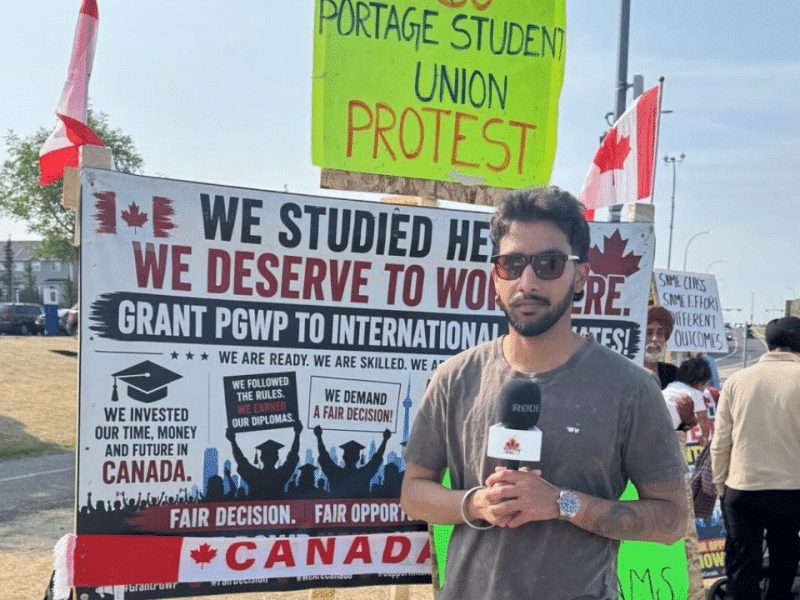
‘Canada must not go down that road’: More than 250 organizations demand investigation into CBSA after student protesters issued exclusion orders
The students were protesting after being denied post-graduation work permits they say they were eligible for when they enrolled at Portage College.
Half of Filipino immigrants to Canada are overqualified for their jobs: StatCan
‘For the relationship that Canada has with the Philippines, it seems like it’s lopsided.’
