B.C.’s kinship caregivers highlight financial disparity between themselves, foster parents
Children who are raised by relatives in B.C. often receive less government support than those raised by foster parents
Why It Matters
Understanding the disparities between foster and kinship care can help advocate for more equitable resources and financial support to ensure children have the tools needed to thrive.
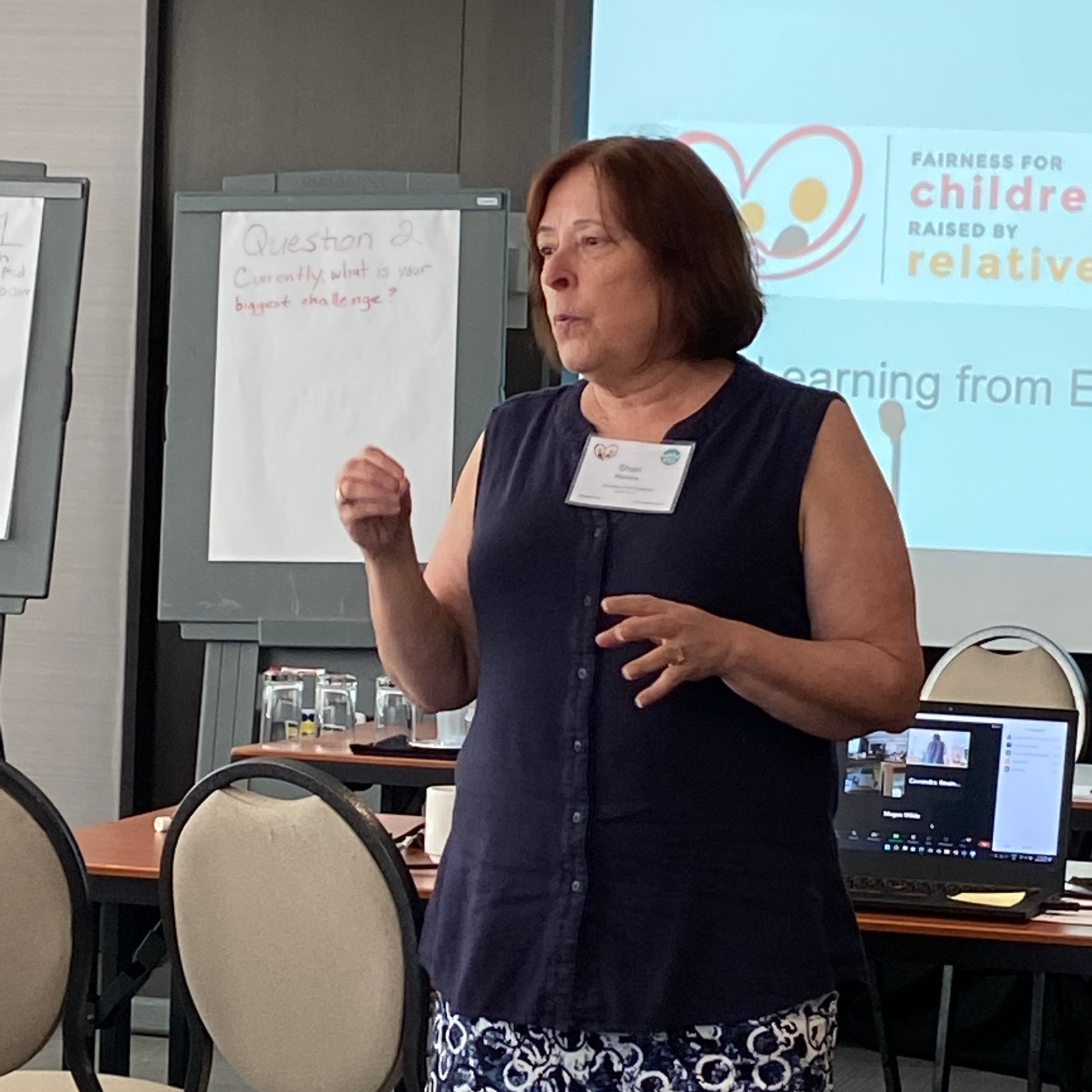
Shari Monsma is the founder of the non-profit Fairness for Children raised by Relatives.
Those who take in the children of relatives say they’re not receiving the same level of support as those who take in the children of strangers in B.C.
Shari Monsma was asked to take in her two grandsons when they were just two and 11 years old.
She quickly learned about the inequities in B.C.’s family and social supports.
“When I took on my two boys, I was working full time,” said Monsma. “You’re trying to figure out all the logistics of how to make sure that these children’s lives just continue, and you do the very best for them.”
When a child is placed in the guardianship of a relative or close family friend instead of being put into foster care, it’s called kinship care.
It is often considered a best practice because it allows children to stay connected with their culture and preserve their sense of identity.
“One of the very most important things is the consistency for the child, knowing that there’s security and that we’re always going to be involved in their lives,” said Monsma.
Pay scale difference
More than 13,000 children are raised by relatives in B.C. Kinship caregivers and foster parents receive the same monthly maintenance payments of about $1,600 depending on the child’s age.
However, the discrepancy between caregivers is found in the details.
Foster parents can receive additional payments based on the level of specialized care they provide.
This amount can range from $600 to $4,000, depending on the number of children in a foster parent’s care.
But for children who have disabilities in kinship care, it’s not as straightforward.
Kinship care families must instead apply for a myriad of programs, which often restrict them to different types of support and services.
“You’re flying blind,” said Monsma.
Most children in kinship care have some form of trauma, specialized educational needs and developmental delays, she said.
Kinship caregivers of a child with a disability receive a $264 monthly federal payment. In B.C., the money is first sent to the province before reaching the caregiver.
This process prevents kinship caregivers from claiming the child as a dependent for tax purposes.
This payment method also prevents families from claiming the Canada Child Benefit, causing caregivers to miss out on the Canada Dental Benefit and the B.C. Family Benefit.
Helpline for kinship caregivers
The system’s confusion is one reason the Parent Support Services Society of B.C. decided to create the province’s first-ever Kinship Care Help Line.
“There’s this systemic injustice where children with disabilities fall through the line,” said Christina Campbell, a social worker at the society who answers calls.
Most children are raised in kinship care because they’ve experienced trauma in their home such as substance misuse, mental illness or incarceration, she said.
“We know from our own research that there is a higher percentage of kids in kinship care with special needs,” said Campbell. “But those kinship care families don’t get the levelled foster rates.”
The unequal pay has led to difficult decisions, she said.
“I have engaged with families on the phone whose children had such special needs that they couldn’t compete…they acknowledged that their child was better off in stranger care because that child was going to get more services and supports,” Campbell said.
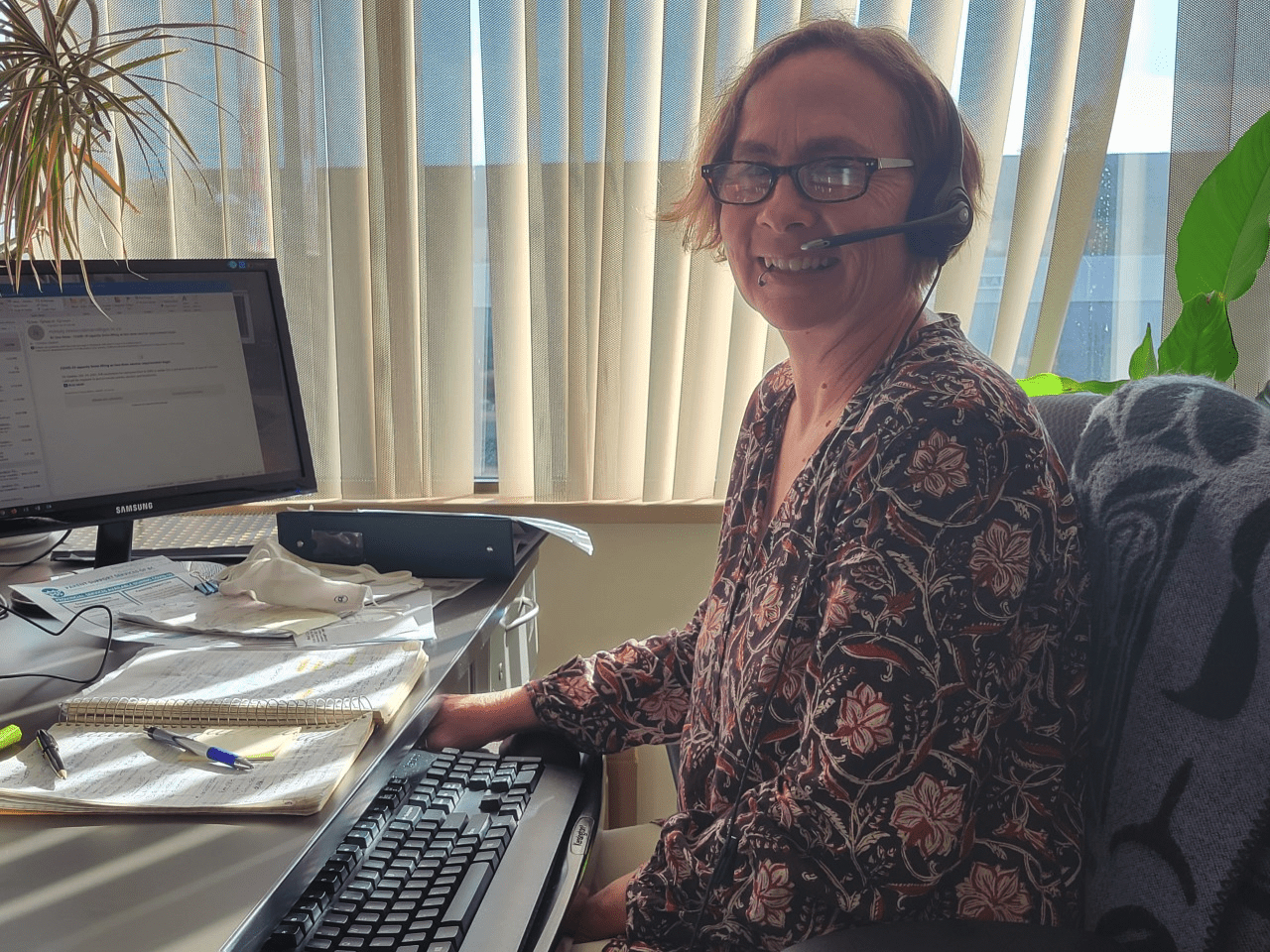
Christina Campbell is a social worker with the Kinship Care Hotline.
The heart-wrenching decision to place your family member in foster care because the supports are more accessible, can often be caused by healthcare inequities, she said.
When children are in foster care, their social worker acts as their legal guardian and ensures they get medical coverage through B.C.’s government health insurance, Campbell added.
When a child is in kinship care, she said, it becomes that relative’s obligation to provide medical services.
This often leads to limited access to care, especially if the family member is older and on a fixed income like Old Age Security.
Finding solutions
After learning of the system’s inequities and confusion, Monsma created the non-profit Fairness for Children Raised by Relatives.
She first connected with the helpline when her two grandsons were placed in her care.
“Not only are there more resources in foster care, but there’s also a pathway,” she said. “We get none of that when we, as caregivers, take on the children.”
She now organizes meetings with caregivers across the province, providing clarity about the supports available.
She developed her own manual that clearly lists the supports available to assist families in finding the right programs.
“In a perfect world, they would give every child that comes into care the same benefits and the same finances as they do for foster care,’ she said.
Advocacy creates systemic changes
In 2022 B.C.’s Ombudsperson, Jay Chalke, found the monthly federal child disability benefit was being held by the province instead of being passed on to kinship caregivers.
B.C.’s Ministry of Children and Family Development has since transferred payments totalling nearly $1.2 million to 251 eligible caregivers as of the end of April 2024.
Chalke provided recommendations to the provincial government in 2022 to create lasting change, including that it works with Ottawa to fix systemic inequities in federal legislation.
Three years later, B.C.’s kinship families say they’re still waiting for that to become a reality.
“Money gives you the capacity to purchase services and access services,” said Campbell. “It’s all about the kids.”
B.C.’s Minister of Children and Family Development, Jodi Wickens, said she will continue advocating for changes to address the inequities kinship caregivers face with the federal government.
Your job. Your mission. Your news.
With your support, the sector you're building gets the journalism it deserves, and you get a tax receipt.

Author

Related Articles

Half of Filipino immigrants to Canada are overqualified for their jobs: StatCan
‘For the relationship that Canada has with the Philippines, it seems like it’s lopsided.’
Partnered Partnered content How construction contracts became the blueprint for social change in Manitoba
Manitoba is a leader in social procurement, with decades of partnerships among government, businesses and social enterprises that have shaped a model other communities can learn from.