Black Vacation Week? Guelph advocate promotes rest for Black community during Black History Month
Why It Matters
A Black Vacation Week would recognize the effort that goes into public education during Black History Month and encourage the Black community to prioritize their wellbeing.
This independent journalism is made possible by the Future of Good editorial fellowship covering inclusion and anti-racism in the social impact world, supported by the World Education Services (WES) Mariam Assefa Fund. See our editorial ethics and standards here.
After a month packed with Black History Month events, Kween is drained and exhausted.
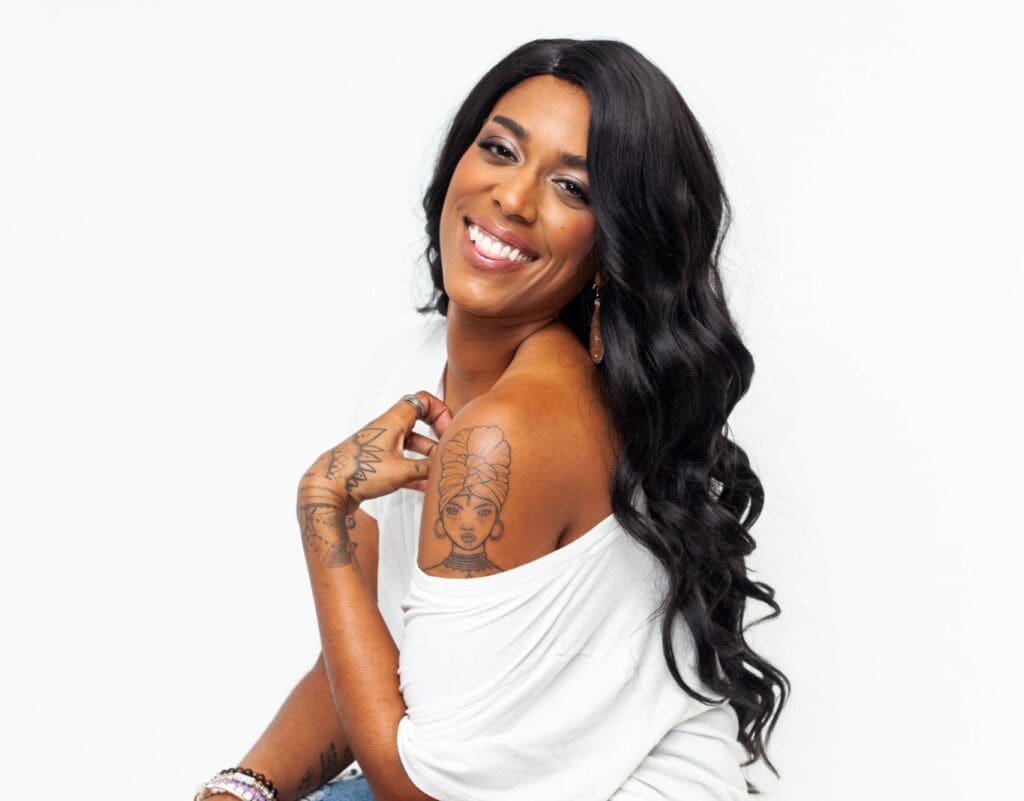
“I’m so often finding myself overworked,” said Kween, owner of The Kween Company in Guelph, Ont., a support and advocacy hub for local Black-owned businesses.
“I think that it’s really important for us during this month to take time to celebrate, to take time to recognize our achievements in the community.”
That desire for pause and rest led Kween to launch the Black Vacation Week initiative last year, a campaign to create awareness around the need for Black leaders and communities to take a break and reconnect.
“We don’t have time for each other. We don’t have time for self-care,” Kween said.
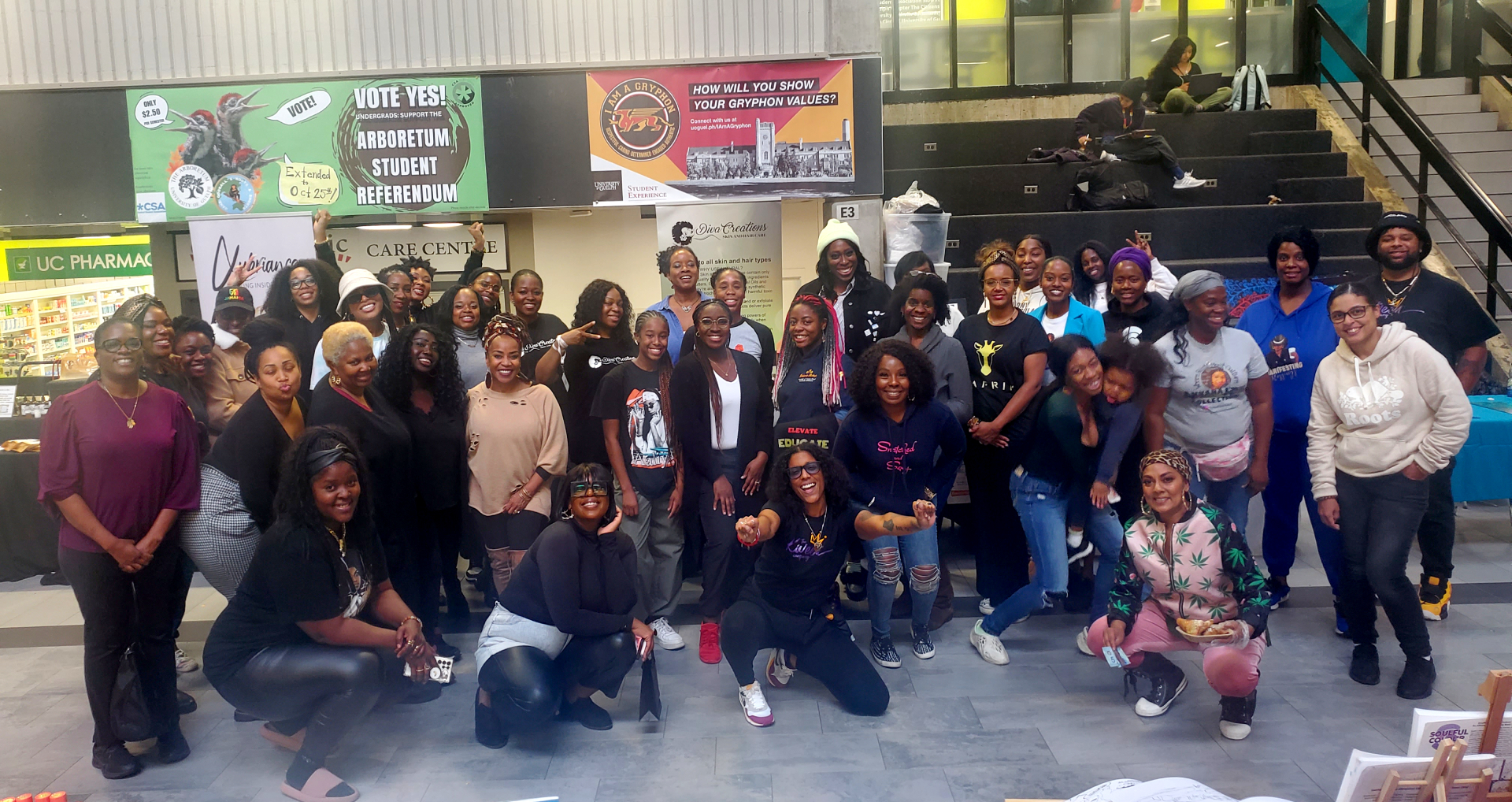
Since Kween launched the initiative, more than 100 Black-owned businesses and organizations have signed on, seeing the benefit of acknowledging the wellness that should follow an emotionally demanding month of events.
Kween said the initiative doesn’t mean everyone has to shut down for a week or take a week off, adding that would be unrealistic for small business owners.
Instead, she said signatories can adapt the initiative however they see fit.
“I think it takes a lot of us who are working within these spaces to recognize that feeling we’re going through and wanting that time for ourselves,” Kween said.
Rest is resistance
Tricia Hersey, an American poet and activist, speaks of rest as a form of resistance in her popular blog “The Nap Ministry” and subsequent book Rest is Resistance: A Manifesto.
Hersey’s blog focuses on the liberating power of naps. Her work centres around the idea that sleep deprivation and “hustle” work culture are racial and social justice issues.
She argues intentional rest fights against capitalism and white supremacy by preventing North America’s obsessive work culture from eroding one’s sense of self.
Hersey’s work resonated with Kween when she launched her initiative, but now she asks what else rest can be if not only liberation and resistance.
“I think Trisha Hersey allows us to have these conversations a little more openly and examine what healing can look like,” Kween added.
“I just want to encourage our people to continue striving for that rest throughout the year.”
The idea of rest as a powerful act of resistance is not new, especially in the Black community.
Dahabo Ahmed-Omer said she feels the need for a reprieve during Black History Month as February’s end nears.
Ahmed-Omer leads BlackNorth Initiative, a non-profit that bridges the Black community and the corporate world.
Like Kween and many other Black leaders, Ahmed-Omer had a busy February full of speaking engagements, panel discussions and events.
“It’s a lot of labour, and it’s heavy. It’s becoming more and more heavy, and anyone that you talk to this time of the month, towards the end, will tell you how heavy it’s been,” she said.
“I don’t know how other Black folks feel. I know some people that I work with feel very empty by the end of the month.”

Dahabo Ahmed-Omer, Executive Director of BlackNorth Initiative. (BlackNorth Initiative/Supplied)
What if Black History Month could be about giving Black leaders some reprieve while also honouring and recognizing their work? Ahmed-Omer asked.
When she heard about Kween’s Black Vacation Week initiative, she said it felt like someone was listening to her innermost thoughts.
“I really love this initiative, and I hope it gets taken up in some fashion,” Ahmed-Omer said.
Balance the labour during Black History Month
Kween thinks Black Vacation Month is not just for the Black community but also an opportunity for allies to support the Black community in a way that allows them to rest and heal.
“I think there’s a really fine line in terms of burden and responsibility. I think for our community, we do have a responsibility to educate, learn about our ancestors and then teach that back to folks. I think we’ve always been the storytellers,” Kween said.
However, the responsibility to educate non-Black audiences about anti-Black racism and intergenerational trauma is emotionally draining, and that fact needs acknowledgement.
Black History Month is a shared responsibility and an opportunity for active allyship, but Ahmed-Omer said it does not often feel shared.
“You need us to absolutely be the driver, but we shouldn’t be the gas in the car,” she added.
This year, Ahmed-Omer attended a Black History Month event where she sat in the audience and watched a non-Black panel speak about their learnings.
The panel also acknowledged Black leaders in the room for the work they are doing right now.
“It will be nice if that happens more often. If this month was really about giving Black people a moment of complete pause, and everyone else stands up for us,” Ahmed-Omer said.
“I don’t expect people to know how it feels, but I do expect people to understand and to hear we’re saying that we are tired.”
Black History Month celebrations exploded in the wake of George Floyd’s murder as institutions and organizations scrambled to address their shortcomings when it came to acknowledging anti-Black racism.
Many Black leaders feel that this zealous attention, however well-meaning, has backfired in several ways.
Institutions often plan Black History Month events at the last minute, only to find overbooked Black speakers. The number of events has also skyrocketed.
“It’s as if Black History Month has become almost like a performative month for people who are not Black,” said Ahmed-Omer.
“How do we celebrate those of us who are doing the critical work now? Black History Month should really be about us celebrating our history and our future. And we don’t get time to do that at all,” she said.
Ahmed-Omer wants to see more active allyship from the non-Black community to help carry the weight of celebrating historical and current Black achievements.
“It’s important that people pour into you as much as you pour into them. We’re pouring into this work quite a bit so that we can create some equity in our spaces. But how do people pour into us as well?” she said.
It’s not just about giving us jobs or putting us in leadership roles and promoting us, she explained; it’s about wellness.
Another way allies can help evenly distribute the labour that goes into Black History Month could be to spread out discussions and events around Black history and Black achievements throughout the year, Kween noted.
“We can be booked any other time of the year as well,” she said.
What could Black Vacation Week be ‘in action?’
Black Vacation Week could take many forms, said Kween. The idea is to encourage Black folks to vacation or tangibly decrease their workload.
Maybe it means saying no to speaking engagements during the last week of February, or it could be a week of awareness-building exercises in the workplace or activities around Black wellness.
It could be a yoga day or a week without any deadlines or deliverables to complete.
“It can take different forms depending on the ecosystem that you work in. But the idea is there’s a week within Black History Month that allows us to do this. And every organization or company can take a different stance on how they do that,” she said.
Visit this Google Form to sign on to the Black Vacation Week initiative.
Tell us this made you smarter | Contact us | Report error