
Focus apps are failing neurodivergent minds, new research finds
Distraction‑blocking apps can deepen shame and ignore how some people's brains actually focus

Distraction‑blocking apps can deepen shame and ignore how some people's brains actually focus

Board members can’t steward what they can’t see - philanthropic literacy is a governance essential.

New research suggests unified ESG metrics may backfire by making it easier for executives to game the system.

Family transitions — from marriage to divorce — quietly shape who can take on the risks of self‑employment in Canada.

Canada’s latest climate finance pledge maintains the status quo, leaning heavily on loans and private‑sector mobilization despite mounting evidence the approach isn’t delivering for the Global South.

Survey trolls are skewing our sense of how many people actually believe conspiracy theories — and the “Lizardman constant” explains why.

The data breach compromised the personal safety of non-profit workers who already operate in high‑risk, high‑stress environments.

... in a board room far, far away

Canada’s fragmented electronic health records harm patients and cost taxpayers billions: New research
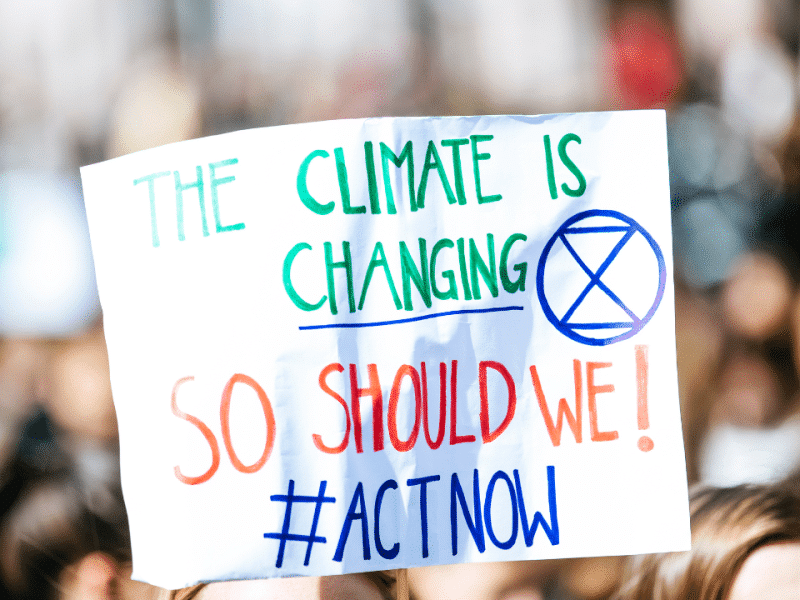
Many are deliberately tuning out the news — protecting their mental health, managing eco-anxiety, and shielding themselves from vicarious trauma.
NO PAYWALLS HERE
Future of Good’s journalism is free. But we need your support to keep it that way. Sign up for our free newsletter to help!
Grab Your Copy Now
SIGN UP NOW
