Indigenous peoples familiar with attacks on sovereignty, call for action in face of trade war
First Nations, Inuit, and Métis people have always traded freely across Turtle Island.
Why It Matters
Already vulnerable populations will be hard hit by the American-led trade war. Implementing the Truth and Reconciliation Commission’s call for a guaranteed livable income could help protect Indigenous women, girls, two-spirit and gender-diverse people.
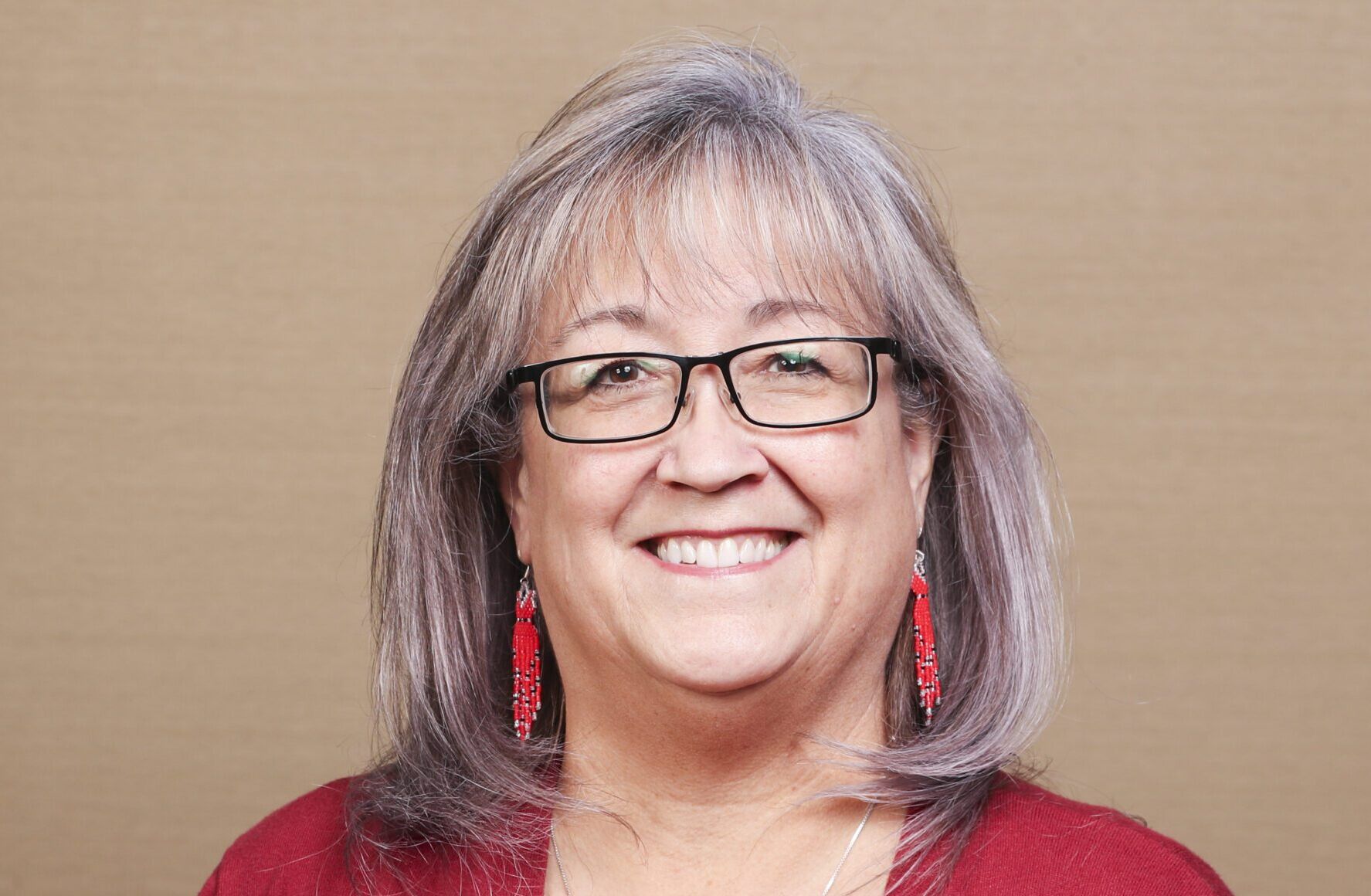
Diane Redsky. (Supplied photo)
Urban Indigenous leaders are calling on the Canadian Government to ensure tariffs imposed by Donald Trump’s American administration don’t negatively impact food, housing or the safety of Indigenous women, girls, two-spirit and gender-diverse people.
“Our most critical need is to ensure that children and families are centred for relief,” said Diane Redsky, chair of the MMIWG2S+ Urban Indigenous Action Group.
“Money raised through retaliatory Canadian tariffs should be redirected to prioritized supports, including specifically for Indigenous businesses and families.”
The action group stressed that Trump’s tariffs are an attack on Canadian sovereignty and resources, a phenomenon Indigenous people are all too familiar with, having fought for resources and sovereignty since confederation.
First Nations, Inuit, and Métis people have always traded freely and fairly across Turtle Island, the group noted in a statement released last week.
The 1794 Jay Treaty, which the American government has historically recognized, affirms Indigenous peoples’ right to freely cross the Canada-U.S. border.
The action group said the federal government must work to remove artificial trade barriers, including interprovincial ones, to support Indigenous livelihoods.
“Canada can be nimble and responsive to threats to Canadians,” said Sandra DeLaronde of Giganawenimaanig, adding now is the time for Ottawa to follow through on a guaranteed livable income, one of the 94 calls to action included in the Truth and Reconciliation Commission’s final report.
The group, which is made up of more than 100 Indigenous leaders from across the country, agreed that the American-led trade war will have a disproportionate impact on those who are already marginalized.
“The devastating impact of these tariffs will deepen the vulnerabilities already faced by Indigenous women, girls, and 2SLGBTQQIA+ people,” said Hilda Anderson-Pyrz, chair of the National Family and Survivors Circle.
“Economic hardship is not just about finances—it is directly linked to safety. When our people are pushed further into poverty, they become more susceptible to violence, exploitation, and systemic neglect,” she said.
The coalition is demanding the federal government immediately release $4 billion in funding it committed to Indigenous-specific housing.
“I am deeply concerned that the people already dealing with food insecurity, lack of safe, affordable housing, and few social supports will now feel an additional economic burden,” said Sylvia Maracle, chair of the MMIWG 2SLBGTQQI+ Committee.
Without additional support, the current economic maelstrom will lower the quality of life for elders, youth and single parents, she said. It could also result in more people living on the streets and more children being pushed into the child welfare system.
She said price caps are also needed to limit the price gouging seen in some sectors during the COVID-19 pandemic.
Beyond trade and tariff concerns, the MMIWG2S+ Urban Indigenous Action Group said it stands in solidarity with “Native American relatives south of the colonial border.”
“We also stand with our two-spirit and gender-diverse relatives who fought for recognition of all genders, only to have this recognition reversed in another act of colonial violence.”
Your job. Your mission. Your news.
With your support, the sector you're building gets the journalism it deserves, and you get a tax receipt.

Related Articles
Caste, corruption, and the collective: Crow’s Theatre’s A Fine Balance confronts India’s enduring inequities with humour and heartbreak
The Giller Prize-winning novel explores the realities of caste violence in India, which has been adapted into a powerful stage production in Toronto.
‘Canada must not go down that road’: More than 250 organizations demand investigation into CBSA after student protesters issued exclusion orders
The students were protesting after being denied post-graduation work permits they say they were eligible for when they enrolled at Portage College.
Half of Filipino immigrants to Canada are overqualified for their jobs: StatCan
‘For the relationship that Canada has with the Philippines, it seems like it’s lopsided.’
