“Never an individual movement”: Three prominent activists on the state of human rights in Canada
Why It Matters
Interconnected efforts and coalitions when fighting for human rights is more important than ever as many crises layer on top of each other, maintaining inequalities and impacting historically marginalized groups.
This independent journalism is made possible by the Future of Good editorial fellowship on community resilience, supported by Co-operators. See our editorial ethics and standards here.
“All human beings are born free and equal in dignity and rights” — these are the starting words of the Universal Declaration of Human Rights (UDHR) from 1948, and marked a historic landmark for recognizing human rights globally.
The UDHR, celebrating its 75th anniversary this year, was fundamental in building awareness of the importance of human rights, what they are, and what it means to not have them. But still, dignity and equality are not in reach for millions. Especially when Canada, along with the world, faces a storm of crises that continue to disproportionately hurt the most marginalized groups.
There’s much work to do — but there are activists and community organizers in Canada doing it. We spoke to three activists who’ve featured in Future of Good’s 2022 coverage, and asked them to reflect on the work they’ve done this year.
For her part, Dr. Caroline Shenaz Hossein, associate professor at the University of Toronto-Scarborough, emphasizes the power of collective action for systemic change. Advocating for human rights, whatever the fight may be, has everything to do with communities working together on a grassroots level, she says.
It is only through the commitment of a collective that real change can happen, says Hossein, Rather than “reform and tinker with what’s not working,” she says, we need to “wipe away and change what has been so alienating and exclusionary to certain groups at different times in history.”
From fighting for trans healthcare to raising awareness about environmental racism, you’ll want to follow these three Canadian activists’ work.
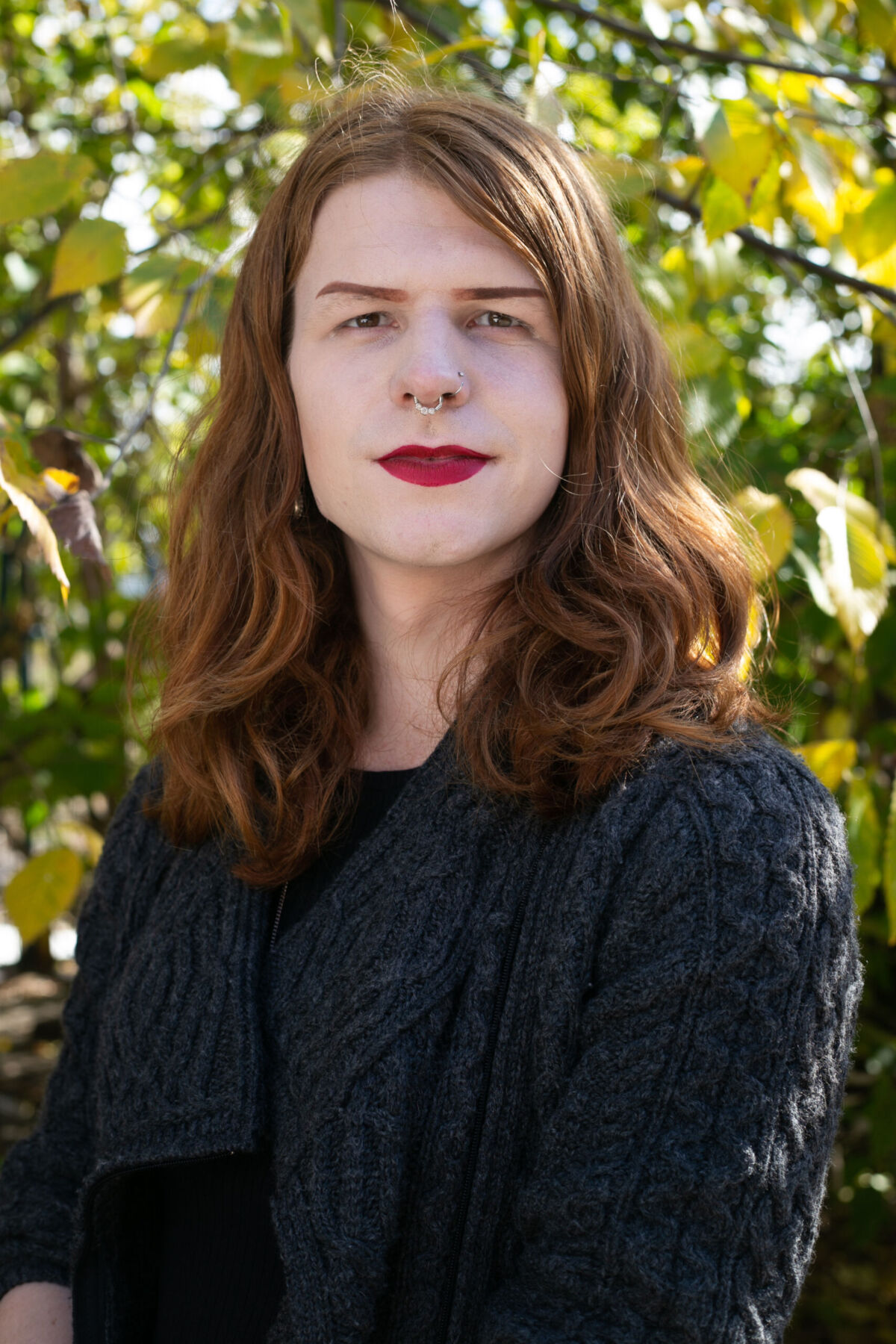
Fae Johnstone
Fae Johnstone is a trans woman, feminist, writer and 2SLGBTQI+ advocate. As the executive director of Wisdom2Action, she’s been a passionate advocate for 2SLGBTQI+ rights and policies and has led local and national initiatives around queer community health, youth mental health, and gender-based violence, to name a few. Johnstone also joined the Oxfam Canada board this year.
As COVID posed major challenges for 2SLGBTQI+ Canadians, Johnstone’s work has been fundamental in platforming the urgent need for policy changes around 2SLGBTQI+ issues including mental health, gender-affirming health care, and public safety.
Earlier this year when the Canadian federal government announced the first ever, five-year federal 2SLGBTQI+ action plan, Johnstone did state that it’s a great step but there are still many gaps. She says that there needs to be more done to fight anti-2SLGBTQI+ hate, more funds for international 2SLGBTQI+ projects, and more funds in general for the 170 organizations in Canada serving 2SLGBTQI+ people.
The federal government promised $100 million for organizations over five years. That is $15 million of funding annually for all the 2SLGBTQI+-serving organizations that are doing life-saving work for queer folks, and have already been stretched with their resources since the pandemic.
Johnstone explains that this isn’t nearly enough for the organizations that are fighting 2SLGBTQI+ hate, connecting queer people with healthcare, housing, and mental health support.
“Right now more than ever, we need to be building interconnected coalitions in our fight for human rights. Our opposition — misogynist, white supremacist, anti-2SLGBTQIA+ groups — are working together,” says Johnstone. “If we don’t approach this work intersectionally, we won’t be able to retain — not to mention expand — human rights in Canada.”
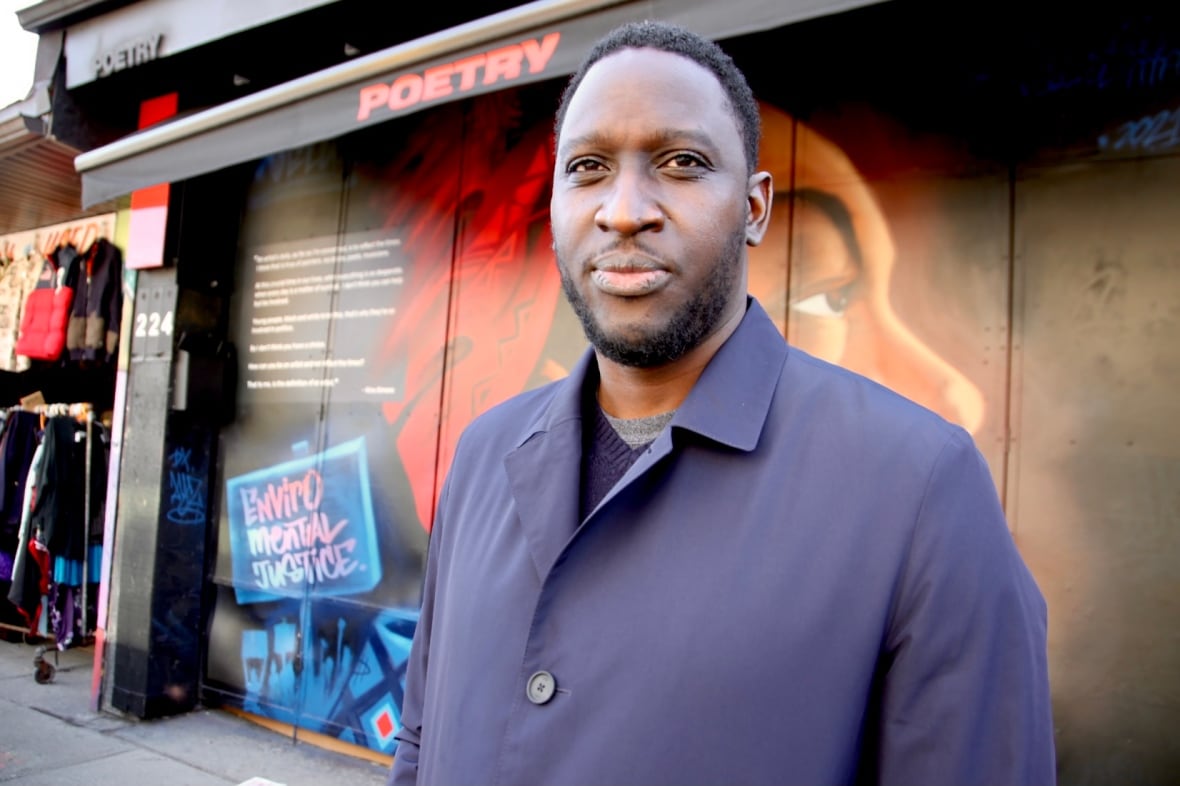
Naolo Charles
In 2019, Naolo Charles founded the Black Environmental Initiative (BEI), a largely volunteer-run organization that works to eradicate environmental racism. Over the last few years the organization has hosted training for people within the Black community who want to join the environmental sector and raises awareness on the impacts of environmental racism.
With wildfires, floods, and heatwaves, the frequency and severity of climate disasters are growing. Marginalized and racialized communities are facing the brunt of these disasters.
Black, Indigenous, and people of colour are most impacted by pollution, and yet there is a massive lack of diversity within the environmental sector. Communities that are suffering the most from climate change-related problems are not being engaged in discussions about these issues, let alone involved in the solutions.
BEI raises awareness on this environmental racism — and takes action to end it, via environmental education within impacted communities, promoting air monitoring devices, and advocating for community-led renewable energy projects.
“What we realized in 2022, is that beyond the projects that we have, and the models that we promote, our environmental justice work is fundamentally about cultural change and about raising the standards in society,” says Charles. “And how we impact the culture is really what we leave behind us, a lot more than the policy changes and the program outcomes.”
But since cultural change takes generations, says Charles, BEI works with youth (many of whom are already environmental leaders) to help them ease into the environmental sector, and promote decolonial leadership for the next generation that moves away from capitalism.
“Even if we can make everyone in our community care about the environment, even if we can diversify the environmental sector and get more diverse professionals at the table…none of that will survive the test of time unless we promote the type of culture that counters what colonization and capitalism did to the world,” says Charles.
Culture change can look like people giving more thought to the life cycle of things they use, and more people considering renewable energy and that it’s an issue which is less politicized and polarizing, according to Charles.
For the next few years, Charles says that he hopes the environmental movements spread but “the most important thing is not that BEI grows but that our ideas spread to a point where we are no longer needed.”
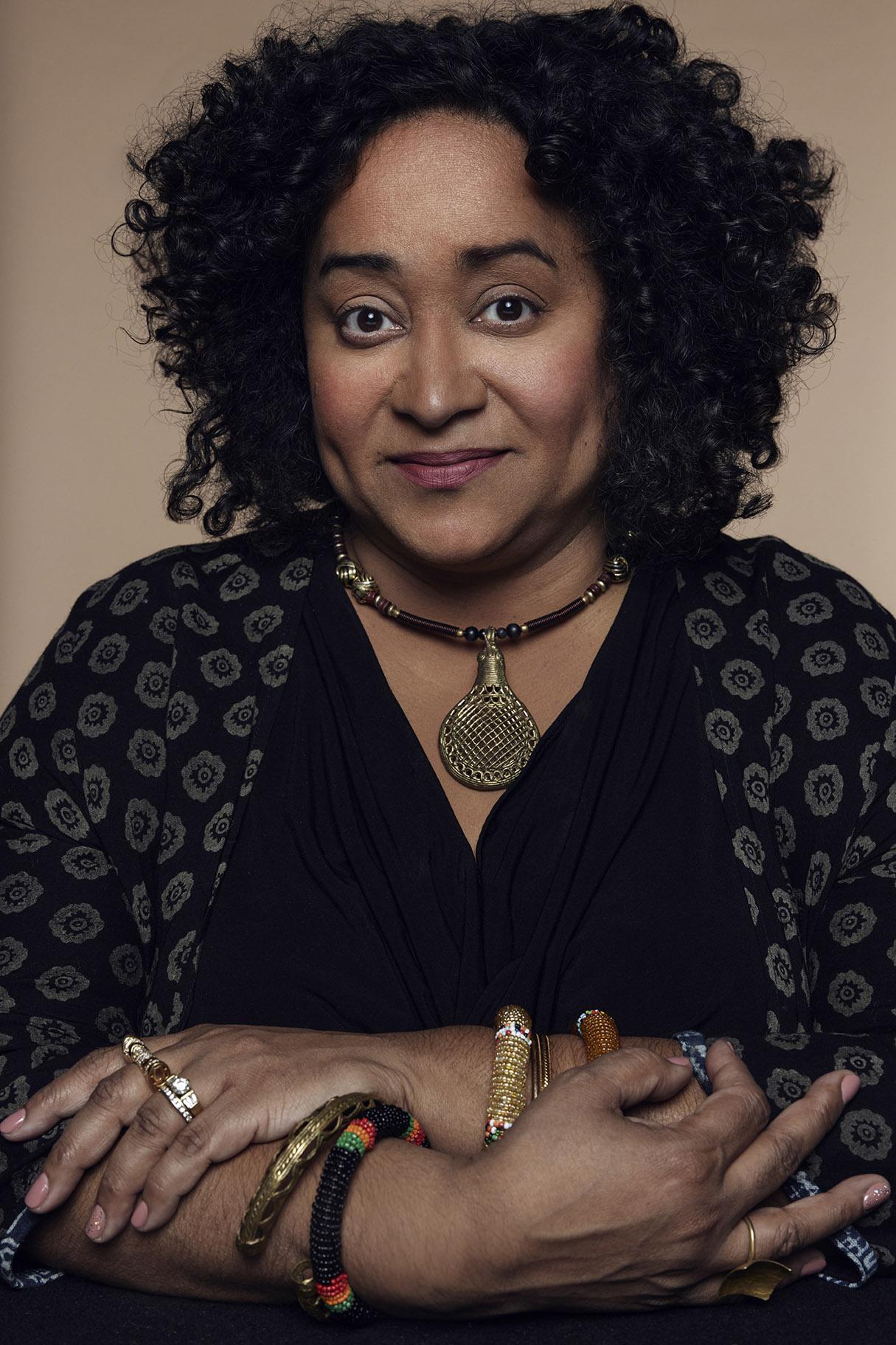
Dr. Caroline Shenaz Hossein
Through her research and grassroots activism, Hossein’s work focuses on validating the efforts of Black women building a cooperative finance movements. She is also the Canada Research Chair for Africana Development & Feminist Political Economy, where she is working to reshape the dominant narrative of co-operatives in Canada through highlighting the work of the African diaspora within the movement.
In 2022, Hossein’s research on the informal financial institutions led to funding that established the Banker Ladies Council which brings together women cooperators and shares their experience around operating these institutions and mutual aid systems around Toronto. “The most significant achievement [this year] has actually been the launch of the Banker Ladies Council,” says Hossein.
Having access to capital is a major struggle for Black women and women of colour, says Hossein. And yet even when these groups of women have turned to informal money pooling systems and mutual aid, their financial knowledge is not taken seriously, and not validated for the contributions they make.
Hossein research works to legitimize the efforts and well of knowledge within the communities, as well as highlighting the rich history of cooperation within these groups.
“It’s a human rights travesty that we deny the existence of these cooperative banks that people choose to engage in. And not only do we deny their existence, but we don’t see the labor that is involved in their community’s economic development,” says Hossein.
It’s a human rights issue to delegitimize the efforts of these women because it ostracizes marginalized groups and casts them aside from freely participating in the economic and social system, says Hossein.
Hossein’s work has built a foundation of the history of Rotating Savings and Credit Associations (ROSCAs) in Canada and established a recognized system for it in the country today. On top of that the Banker Ladies Council is trying to widen up the very commercial financial industry and have more community-owned financial operations throughout Canada.
“So much of the world is based on mutual aid, cooperation, associations, and self-help. Those are the mechanisms that actually glue the cohesion that we need in our society, to be robust through civic society,” says Hossein “What are human rights and this idea of democracy if it’s not [based] in collectivity?”
Tell us this made you smarter | Contact us | Report error