Q&A: The loneliness of leading: Young environmental changemakers’ wellbeing at risk
As the first youth-exclusive summit in Canada that brought together 100 young changemakers in environmental justice, the Starfish Youth Environment Summit highlighted the isolation many young leaders face and the urgent need for support systems that foster collaboration, not competition.
Why It Matters
Young environmental leaders are burdened with the responsibility of solving problems they didn’t create, yet many work in isolation and compete for limited resources. Without spaces for connection and collaboration, the potential for lasting change is diminished.
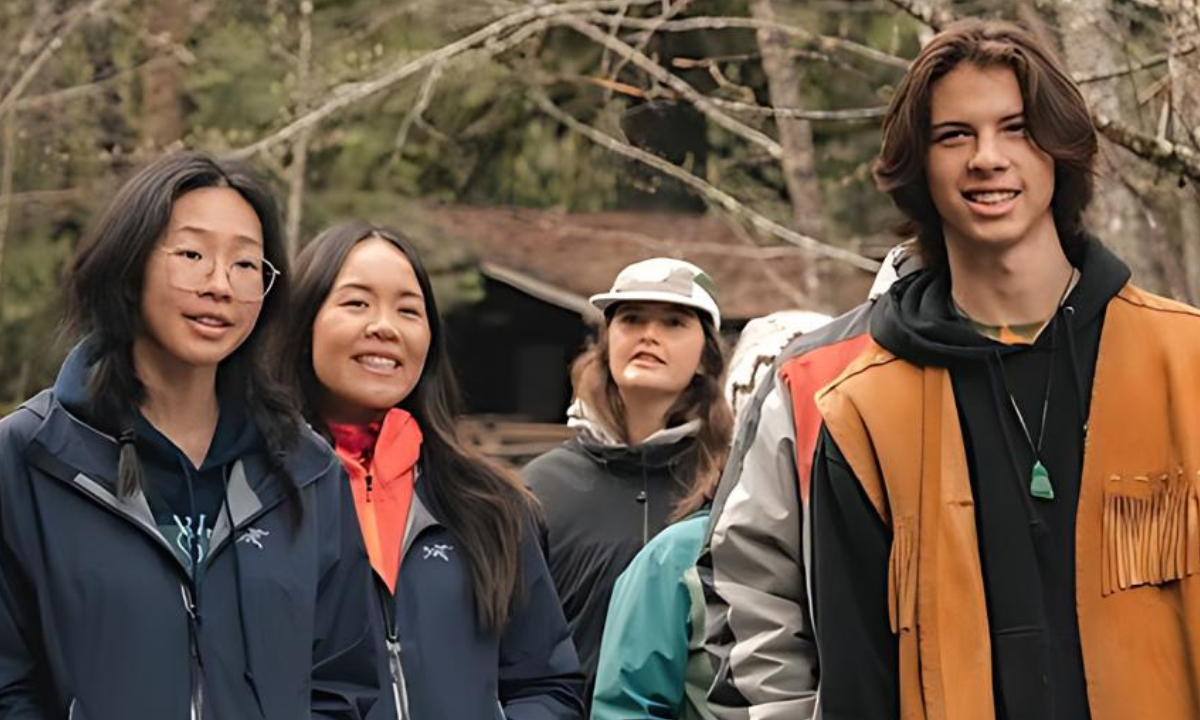
Participants at the Starfish Youth Environment Summit in March, 2024. (Andrew McArdle/Supplied)
“Our parents don’t really understand why I do what I do. We were born into an era of anxiety that our parents’ generation don’t and will never understand.”
When I first heard this from Paige Hunter at Starfish’s Youth Environment Changemakers Summit, held earlier this year in March, I was taken aback.
As someone engaged in conversations around sustainability and systems change, I know calling the work of young environmental change-makers difficult is an understatement.
Instead of simply acknowledging the challenges, as leaders we need to shift our focus to actively disrupting and dismantling the systems that make this work so hard.
The work I do in partnerships is the main reason I’ve stayed in the impact space. Our work can only truly advance through dedicated, collaborative partnerships and accessible funding. These partnerships not only amplify the voices of marginalized voices but also open doors to innovative solutions. These partnerships also don’t come overnight; they require time, trust, and a strong foundation. That’s why our collaboration with The Starfish for the Youth Environmental Changemakers Summit was so impactful.
However, young changemakers — especially those leading environmental work – don’t get the same privilege. And the reality is that we cannot afford to lose young leaders to burnout and isolation.
If we want to build a sustainable future, we need to ensure that those at the forefront of the environmental movement are supported not just with funding and resources but also with real, human connections. They need spaces where they can come together, share ideas, and support one another — not as competitors but as collaborators.
Encouraging young changemakers isn’t just about giving them a seat at the table; it’s about ensuring their long-term wellbeing so that they can tackle the economic wellbeing of the world.
What good is a movement if its leaders are exhausted, disillusioned, and isolated? Wellbeing isn’t a nice-to-have — it’s a necessity for sustaining impact.
I chatted with Kyle Empringham, Co-Founder and Executive Director of The Starfish and we agreed the summit earlier this year served as a turning point for young leaders in the environmental movement in Canada.
Here are a few insights from conversations I had with Kyle after the conference.
Questions and answers have been edited for grammar and brevity.
—
Q: How are you seeing the landscape of the youth climate movement in Canada?
Kyle: Compared to our counterparts in the U.S., the Canadian climate movement feels disparate. We hear this from young people constantly – they don’t feel connected to each other, nor do they “feel the movement.” There are some ways for youth to connect, but they’re often held as conferences that are jam-packed with “value”, often not leaving enough structure for genuine networking and connection. They’re also often in stuffy rooms, disconnected from nature.
Q: That all sounds limiting. Environmental work being done in silos is not new, but there’s an opportunity for these systems to be disrupted. Would you agree?
Kyle: Young people today have incredible ideas and insights. Many are already leading groundbreaking initiatives, while others are eager to start their own projects, hoping to make a dent in the fight against climate change. Youth are often those innovative voices who can see things differently and aren’t shackled by the way things are; and when you consider the complexity and wickedness of a problem like climate change, that’s the exact sort of thinking we all need at the decision-making table.
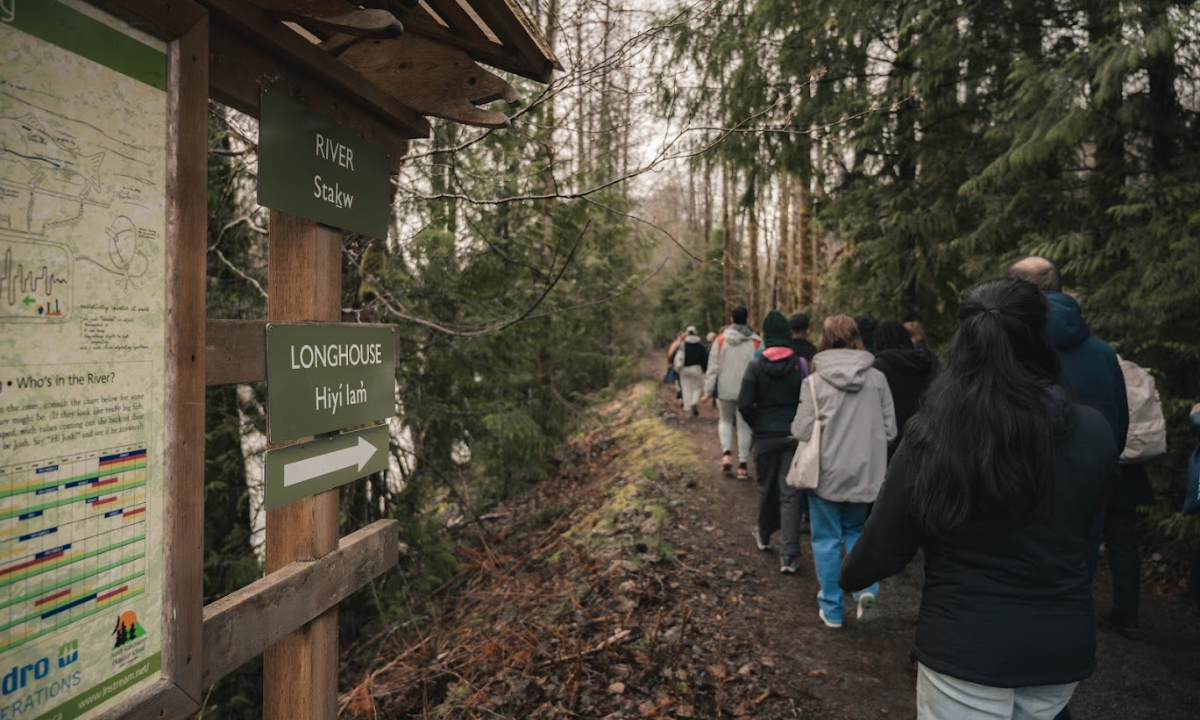
Participants walk through the forest at the Starfish Youth Environment Summit in March, 2024. (Andrew McArdle/Supplied)
Q: The irony is palpable: Young changemakers who are trying to solve systemic problems are trapped in a system that pits them against one another.
Kyle: Exactly. There are countless youth-led organizations across the country, all working toward the same broad goals, yet many are competing for the same limited pots of funding.
Q: What other barriers are you noticing?
Kyle: Barriers are often even higher for those starting their journey. This is detrimental because we don’t want to discourage new ideas from young people. And what happens when resources are strapped? CRA data shows that 2-4 per cent of all donations in Canada (including from major funders) goes towards environmental causes; data from CanadaHelps’ 2024 Annual Giving Report shows similar trends in individual giving.
Youth climate work is a subset of environmental work, which means funding is even more scarce in this space. Combine this troublesome finding with young people’s appetite for climate justice, and you create competition and stifle collaboration. Furthermore, this competition creates an incredible number of declined applications and not nearly enough encouragement for youth trying to make an impact in their communities.
Q: I spoke with many of the youth participants who are overwhelmed at the idea of launching their own non-profit, because where do they even begin? How do they navigate the maze of grant applications, board approvals, and strategic planning when they’re barely out of school, often working without mentors or support? The passion is there, but the resources are not — and that gap is where we lose some of our brightest future leaders.
Is there a way to move forward on this?
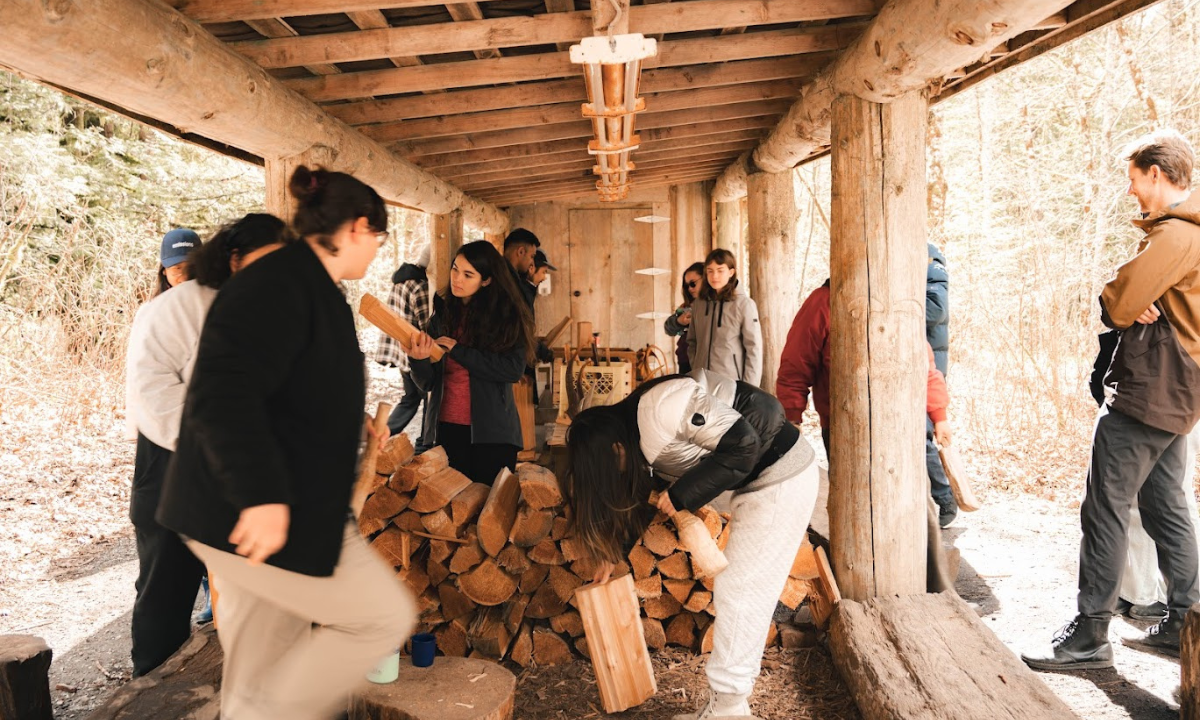
Participants at a workshop at the Starfish Youth Environment Summit in March, 2024. (Andrew McArdle/Supplied)
Kyle: Yes. Despite these challenges, the youth climate movement in Canada is growing. We see this movement rising from a palpable desire for youth to collaborate with each other. Incredible organizations, including Shake Up The Establishment, CityHive Vancouver, and Youth Climate Lab, were born with diverse missions, but similar needs: to help bring youth perspectives together and create collective action.
Q: I’ve been thinking about the loneliness and lack of hope that Canadians have been feeling lately.
Some stats for you – in 2021, only 64 per cent felt hopeful about the future, a drop from 75 per cent in 2016. Nearly 1 in 10 Canadians feel very isolated or disconnected, with younger individuals reporting higher levels of loneliness. And, according to CharityVillage, many young professionals find nonprofit salaries insufficient to meet their financial needs, making it harder for nonprofits to retain talent.
So, how can the social sector understand that we need to do more for young people, especially those leading the environmental movement?
Kyle: Local, community-based work is critical to the movement’s success, and many young people start there. When you organize at a local level, it’s hard to see the ripple effect across the country; but, the Youth Environment Changemakers Summit showed that the movement is truly bigger than its parts.
The sector needs to think critically about how it combats isolation and loneliness. It’s no small feat. Fostering collaboration and connection, particularly for young people who are especially feeling an affordability pinch, requires us to think about our systems and how to adjust them. Can we give less restrictive granting to young people exploring their careers? Can we create a convening space that is less structured and actually focuses on community-building? It’s when we address the roots of these systems that we will start to see an acceleration of youth-led climate impact.
Your job. Your mission. Your news.
With your support, the sector you're building gets the journalism it deserves, and you get a tax receipt.

Author

Related Articles

‘Canada must not go down that road’: More than 250 organizations demand investigation into CBSA after student protesters issued exclusion orders
The students were protesting after being denied post-graduation work permits they say they were eligible for when they enrolled at Portage College.

Half of Filipino immigrants to Canada are overqualified for their jobs: StatCan
‘For the relationship that Canada has with the Philippines, it seems like it’s lopsided.’
Partnered Partnered content How construction contracts became the blueprint for social change in Manitoba
Manitoba is a leader in social procurement, with decades of partnerships among government, businesses and social enterprises that have shaped a model other communities can learn from.
