This BC park was about to be destroyed — but a citizen movement saved it. Here's how.
Why It Matters
The 2019 climate strikes were the largest climate demonstrations in global history, showing the world the power of citizen movements. Crowdfunding is helping these kinds of movements contribute one very important tool for impact — the money needed to make it happen.

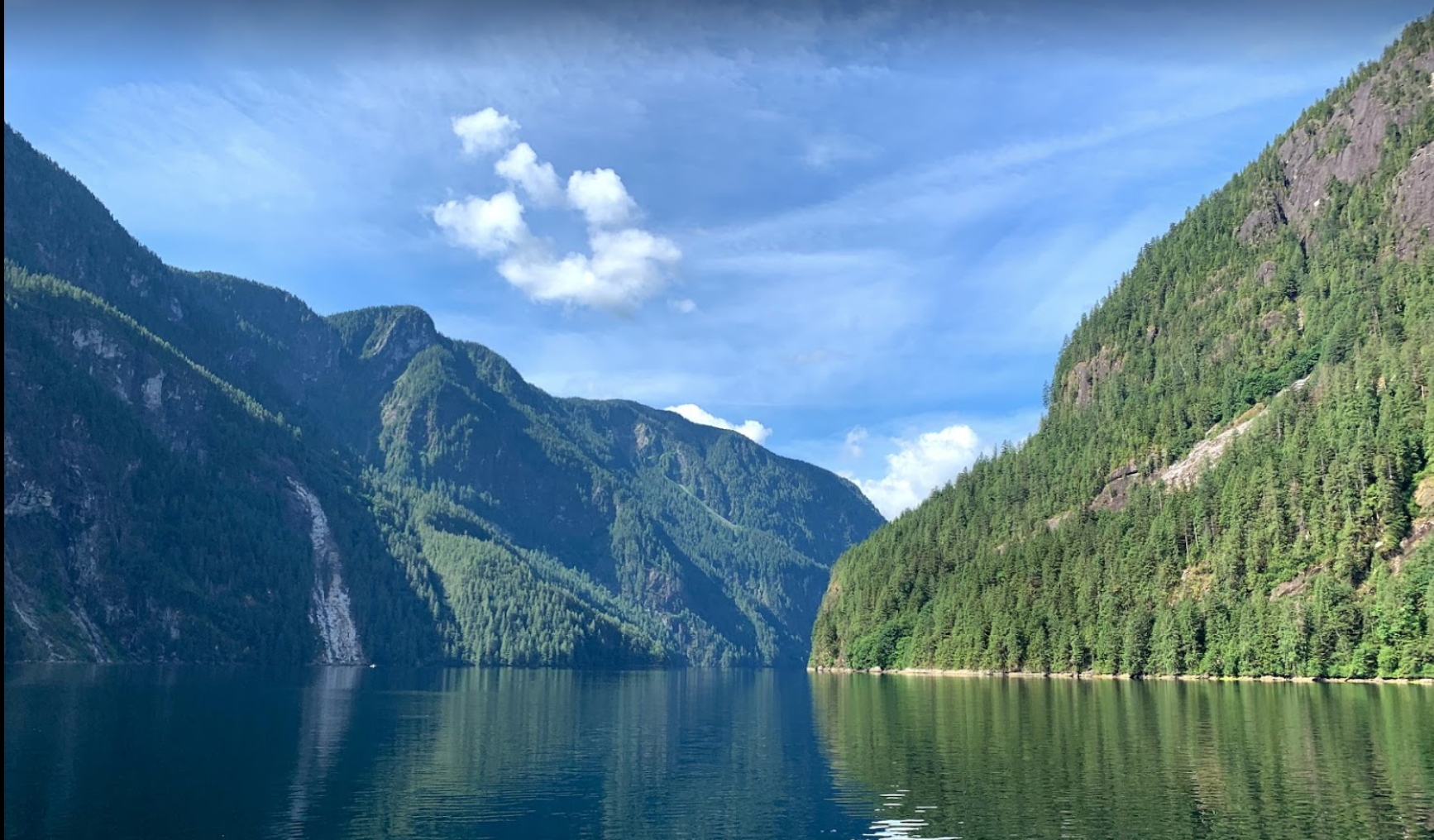
In early 2019, three lots of land along Princess Louisa Inlet, a pristine jewel on British Columbia’s Sunshine Coast, went up for sale. Often called the “Yosemite of the North” for its sheer granite cliffs, it’s home to grizzly bears, mountain goats, and endangered bird species. It is a pure, undeveloped example of the incredible beauty BC has to offer — and it deserves protection.
At least that’s how Andrew Day, CEO of the BC Parks Foundation, tells the story. The foundation decided they’d try to purchase the land, with the intention of saving it from being used for logging. But the catch was that they only had 3 months to raise the $3 million it would cost.
Amazingly, they did it. They secured a purchase agreement by May 2019. And on September 3, 2019, the foundation successfully acquired the property. The area is significant. It’s over 800 hectares, which is over 1000 soccer fields of land, now protected for future generations to come.
How did they do it? Crowdfunding.
Instead of going the more common route of applying for grants or turning to major donors, the foundation turned directly to citizens — around 2,000 of them over three months, to be exact — to crowdfund the goal. When asked why, Day explains that the BC Parks Foundation is a new organization without extensive donor lists or a team of fundraisers.
“But I had a hunch,” Day says. ”People are anxious about climate change, the loss of wildlife and habitat destruction. The crowdfunding effort to support Notre Dame showed the power of what happens when people want to save something that they love. Here in British Columbia, parks are our cathedrals. They are our towers, our pyramids, the wonders of our world. Plus, BC has some of the last remaining large tracts of wilderness and more biodiversity than anywhere in North America.” Day had a feeling that British Columbians would jump at the chance to save the land around the Princess Louisa Inlet. He was right.
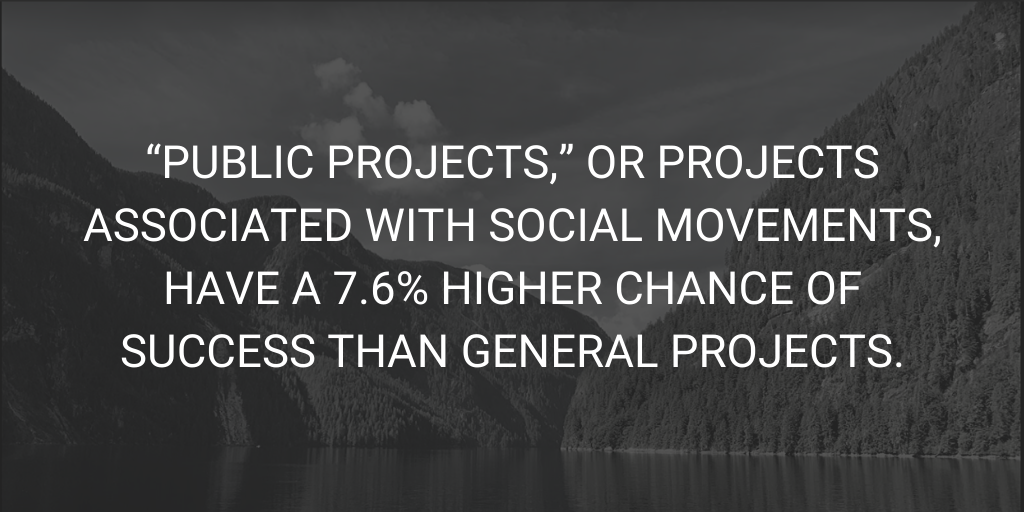
And some research supports Day’s suggestion that people will more readily crowdfund for social causes. A 2019 study found that “public projects,” or projects associated with social movements, have a 7.6% higher chance of success than general projects.
Perhaps most compelling is what Day learned from the experience. “I learned that there are a lot of wonderful, generous people out there, from all walks of life, who care about this beautiful planet and its special places. Every day I would get phone calls and letters and notes that touched me, surprised me, inspired me. It didn’t matter how or what they contributed…. There is a spirit that runs through and connects people. It was that spirit that gave the campaign a life of its own and led to its success. It wasn’t something we manufactured or controlled.”
But Day says that while there were some bumps that almost threw the project off track, what they really didn’t see coming was from how far and wide the support would come. He says that “this level of donation, in such a short time, has never happened before with a land acquisition for parks.” Whether it was donations from across the world, from individuals, foundation, companies, or groups, there were contributions from everywhere.
“The other surprising part was how far the media went,” Day says. “The New York Times and BBC came calling, and many others. In total, over 60 media outlets covered the story and it went viral on social media.”
The result, says Day, has been interest from major philanthropists and other foundations who are curious if the foundation will take on even bigger projects in the future. “All that outpouring of good was deeply inspiring and humbling — I would even say life changing.”
Day says the foundation will use crowdfunding again. “Our next campaign will have its own life and will be its own unique work of art, shaped by the places we are protecting and the people who love them. Hopefully we have a bit more time and can reach even more people.”
What’s clear from the BC Parks Foundation’s story is that subverting traditional donor-based fundraising and directly reaching out to people who care about a cause made a difference. They didn’t have time to wait around. Instead they rallied a movement of public support and it enabled them to move fast and raise over $3 million.
Organizations who want to do the same should consider the personal nature of how the BC Parks Foundation applied this energy, whether that meant Day personally answering letters and phone calls, or the emotional way in which they framed the problem.
Further, leverage media. While it can be a little scary to enter the spotlight, once their campaign went national and eventually international, the movement became too big to resist — thanks to the power of crowdfunding.
Tell us this made you smarter | Contact us | Report error