It’s time to rethink the role of food banks
Why It Matters
Food banks have become permanent institutions, yet we still treat them like temporary charities. As governments invest in food infrastructure, recognizing food banks as economic actors could unlock lower costs, stronger local supply chains and new pathways to employment.
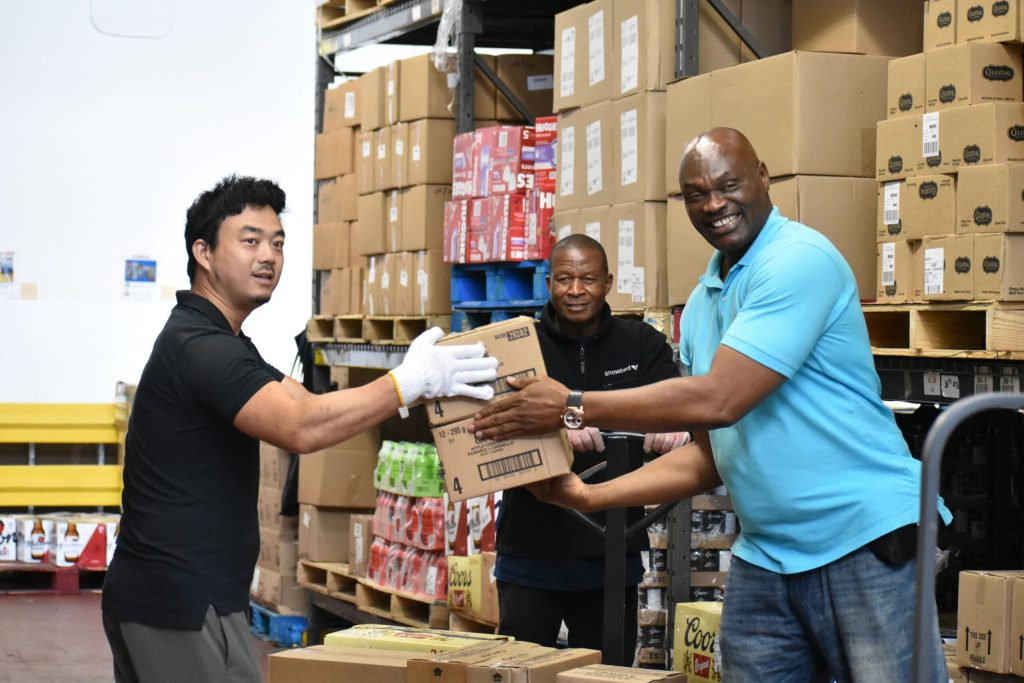
Canada’s new National Food Security Strategy recognizes the important role food banks play and focuses on building a stronger, more resilient food system. As governments invest in food infrastructure, we should also rethink the role food banks play, not simply as emergency responders, but as community infrastructure that can lower costs, strengthen local supply chains and make charitable dollars go further.
At North York Harvest Food Bank, we didn’t arrive at this conclusion through theory. We arrived at it through practice.
In 2016, Peter Frampton, who leads the Learning Enrichment Foundation, a childcare provider located in the same building as our warehouse, asked us a simple question:
“You already have trucks on the road every day. Could you deliver food to our childcare centres too?”
At first, we said no. We were a charity, not a business.
But the question lingered.
We realized we were sitting on assets most food distributors would envy: warehouses, trucks, purchasing power and a team that understood logistics. We had built that infrastructure to fight hunger. Then we realized it could do more.
The breakthrough wasn’t a new program. It was a new way of seeing ourselves.
Instead of asking how we could distribute more food, we began asking how the infrastructure we had already built could solve more than one problem.
By purchasing larger volumes, we could lower food costs for other community organizations. By sharing our logistics network, we could help schools, shelters and childcare centres spend less time sourcing food and more time serving people. And by generating earned revenue, we could build a stronger financial foundation for our own mission.
When we finally said yes, everything changed, and one partnership led to another.
Today, through our social enterprise FoodReach, we pool purchasing power so childcare centres, schools, shelters, libraries and smaller food banks can buy food at prices they could never negotiate on their own.
It isn’t about doing charity better. It’s about doing economics differently.
The most important outcome isn’t our revenue. It’s the ripple effect.
Every dollar a community organization saves on food is another dollar it can invest in programming or front-line services. By taking on procurement and logistics, we free our partners to focus on the work they do best. The result is a stronger ecosystem of community organizations serving more people with the same resources.
Our warehouse is no longer simply a place where food is sorted and distributed. Our Leadership in Logistics program has become a pathway to employment. People who have relied on food banks receive practical training in warehousing and logistics with us, before being connected with employers, including Canadian Tire, to begin stable, well-paying careers.
This is community wealth building in practice. Rather than responding to need alone, it strengthens local supply chains, creates jobs, keeps purchasing power in the community and makes every charitable dollar work harder.
None of this replaces good public policy. Food banks cannot solve poverty, nor should they be expected to. Canada still needs affordable housing, adequate incomes and policies that address food insecurity at its source.
But Canada’s biggest social challenges are also economic challenges. We won’t solve them through charity alone. Nor will we solve them by asking markets to do less. We’ll solve them by expecting more from them, using enterprise to create jobs, strengthen communities and generate lasting social impact.
If food banks have become permanent institutions, and today’s levels of need suggest they have, we should stop thinking of them only as temporary charities. Businesses use logistics, purchasing power and supply chains to maximize economic value. Community organizations can use those same tools to maximize social value.
If we continue to see food banks only as places that respond to hunger, we’ll continue managing food insecurity. But if we recognize them as community infrastructure with the capacity to lower costs, create jobs and strengthen local economies, we can build a food system that doesn’t simply respond to hardship. It actually helps prevent it.
Your job. Your mission. Your news.
With your support, the sector you're building gets the journalism it deserves, and you get a tax receipt.

Author

Related Articles
Trump’s ‘renaming’ of Lake Ontario is emblematic of centuries of colonial erasure
Why a single renaming order taps into deeper fights over land and language

Dolly Parton’s greatest, most remarkable gift
Clever, kind and witty, she used her fame and her fortune to bless everyone else.

Women and racialized CEOs may outperform their peers because they face tougher barriers to the top
New research suggests women and racialized CEOs often outperform white men — not because they’re inherently better leaders, but because they’ve had to clear higher, often unfair, barriers to reach the top.
