One year into the pandemic, here’s what the social finance world has learned
Why It Matters
The federal government’s $755 million Social Finance Fund is expected to launch sometime this year, and the need for that capital is high. But design matters — and the government has a chance to implement a year’s worth of accelerated learning on the future of social finance.
The federal government’s Investment Readiness Program wasn’t supposed to be a crisis-times social finance tool, but that’s what it became.
The government announced the program in 2019 as a way to prepare organizations to take on loans as part of the incoming $755 million federal Social Finance Fund. After two rounds of the program, social finance experts say while many organizations’ readiness might have been boosted, the social finance ecosystem as a whole still needs to change for a post-COVID, rebuilding-oriented, more equitable future.
“The IRP came at a really nice time where they were able to meet people where they were at with some flexibility,” said social finance consultant and facilitator André Pawan Vashist, but “let’s be honest: (communities) were vulnerable before COVID…that’s what we need to really lean into, now that we’ve learned so much from the COVID experience. How are we going to shift?”
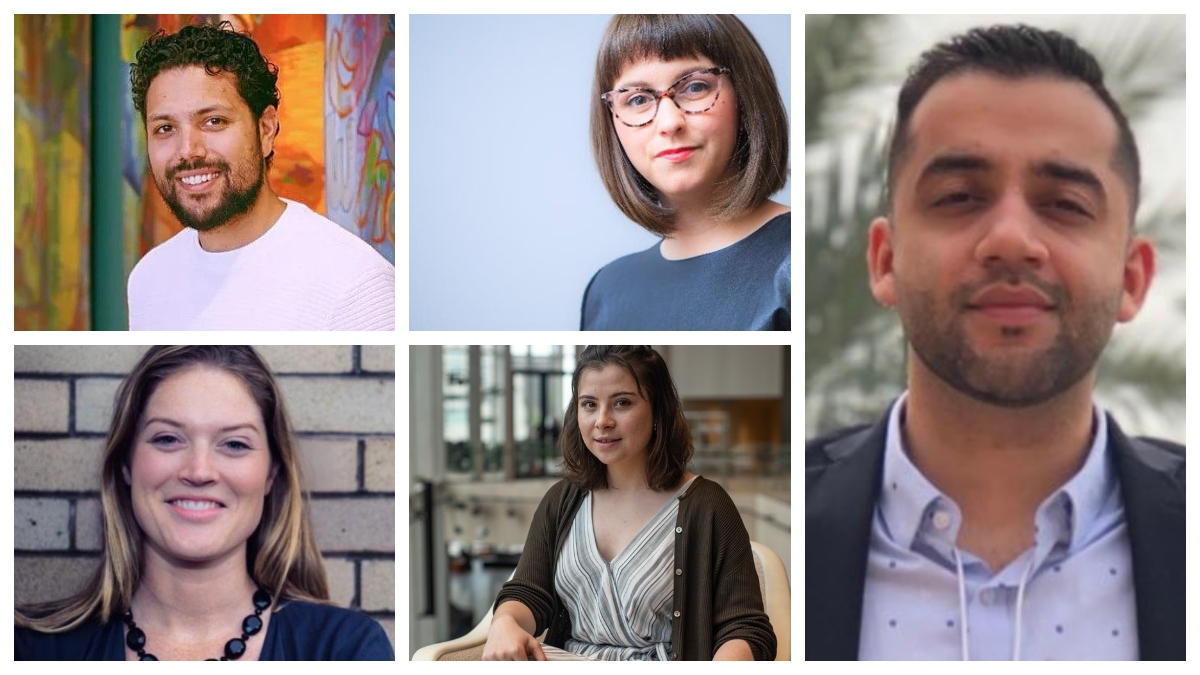
Five speakers, including Pawan Vashist, shared insights on how the social finance ecosystem might make shifts toward better community outcomes coming out of COVID in a private digital conversation supported by Employment and Social Development Canada.
We rounded up the four key insights we believe all social finance professionals need to know as the social finance ecosystem grapples with its own priorities in a changing Canada.
Community self-determination is the way forward
And social finance needs to catch up, the speakers agreed. “Our whole society is changing. There is a current of self direction, or community direction, that is rumbling. We’re challenged now to create a new vision,” said Chelsey MacNeil, director of education, employment and social enterprises at Choices for Youth. “As a sector we’ve proven to be really nimble, really agile, and in the words of a few colleagues of mine in Nova Scotia, scrappy as hell….that’s the kind of thing we need in social finance to vision what’s better.”
Ajmal Sataar, the founder and CEO of Small Economy Works, agreed: “Communities know best what the problems are,” said Sataar, but a community-first approach requires different methods of funding. “The way that you think about dispersing capital in downtown Toronto might be a lot different from the approach that’s required in a rural community in Atlantic Canada. That approach might be a little bit longer term. It might require some more capacity building. Maybe there’s some partnership. But if the goal is self-driven sustainability, and that’s your intention, you can design for it at the beginning….It might not be a one-size-fits-all.”
The sector needs to reckon with the financial services sector’s harm
“The language of finance is privilege. Finance has a lot of trauma in it,” said Hilary Kilgour, the investment program director at Spring Activator. “Even just looking at the due diligence framework…it is highly patriarchal, male and colonized.”
Kilgour said Spring works with communities to learn the language of social finance in the meantime, but the organization’s longer term goal is “to make sure that we’re working with investors to make sure they know how to be a responsible investor, how to ask the questions in a responsible and respectful way…we have to recognize that the institutions and the structures have been racist in many ways, have been traumatizing. And unless we recognize that, we can’t shift towards the future that we need.”
The world of social finance needs to think about risk differently
“What’s the risk if we don’t act?” asked Pawan Vashist. “What’s the risk if we don’t take these chances on certain people, on certain communities? Are we willing to risk our money in a way that will create change that we can’t always predict?”
Kilgour offered an example: “Our financial institutions still require that you have enough money in your bank account to pay (back) whatever money is coming to you. And when we think about opportunities to ask a woman entrepreneur to use that much money, to show that they have that much money — why would they be going to financial institutions for that money?” she asked. “How do we provide social finance tools that support the types of entrepreneurs we want to see be successful?”
Kilgour said the social finance world needs to shift away from requiring individual risk — requiring entrepreneurs to leverage their mortgages to get loans, for instance — and toward collective risk, by organizations working together to distribute financial risks more widely.
Molly Damiani, manager of social innovation at the Congress of Aboriginal Peoples said this shift would require a deep change in mindset throughout the social finance world. “Transaction versus transformation,” she explained. “I don’t know that this change is ever going to happen in a transactional ecosystem. Building that transformation…it does involve this intentional shift. It might not come easily, because power shifts require someone giving up something they’ve always had.” Damiani said social finance professionals should focus on personal reflection about power, privilege, and how they can move out of a transactional mindset and process.
“Incremental change is going to be a reproduction of systemic racism if we don’t look at the roots of the problem,” she said.
The Social Finance Fund is an opportunity to get all of this right
And boost communities’ pandemic recovery in the process, MacNeil said. “If there are shovel-ready projects out there that are equitable economic recovery-centred and are thinking through doing things differently, unlocking that Social Finance Fund is paramount, and the design of it will matter,” she said. She put a call to anyone watching who is involved in that design — an ideal Social Finance Fund is about, she said, “recognizing that the environment’s changed, thinking through the design to activate the folks who are ready for this kind of investment, and thinking about how we can centre it towards recovery. There’s an opportunity there.”
Tell us this made you smarter | Contact us | Report error