From sanitation to bomb disposal: How Canadian organizations are ramping up aid in Gaza
Why It Matters
As Israel ceases fire in Gaza after 15 months of destruction that has been called genocidal, the urgency to assist a devastated population highlights the critical role of international aid and public engagement.
After over a year of war, Gazans can breathe a temporary sigh of relief.
On Jan. 19, the first phase of a potentially long-term and permanent ceasefire went into effect in the besieged Palestinian territory.
Images of widespread devastation, especially in the north of Gaza, were shared by Palestinians as they returned to what remains of their homes.
Given the scale of destruction, loss of life and the challenges still in place, how are Canadian aid organizations responding to the needs of the Gazan population?
Oxfam-Quebec, CARE Canada, Save the Children Canada, Humanity and Inclusion (HI) Canada, and Doctors Without Borders (MSF) Canada shared their insights.
Léa Pelletier-Marcotte, a policy analyst at Oxfam-Quebec; Julie McKinlay, director of humanitarian, resilience, and advocacy at CARE Canada; and Roula Kikhia, humanitarian advisor for Save the Children Canada, provided written answers.
Myriam Abord-Hugon, HI’s regional director for the Middle East, spoke over the phone from Amman, Jordan, while her colleague Anne Delorme, executive director of HI Canada, joined from Montreal.
Jason Nickerson, MSF’s humanitarian representative to Canada, emailed about the organization’s recent collaboration with the provincial government of Manitoba to bring Gazan children to Canada for medical care.
The answers have been edited for brevity.
What are your organization’s priorities following the start of the first phase of the ceasefire?
Oxfam-Quebec: The most urgent needs are water, food, medical supplies, and shelter. The infrastructure is destroyed—there’s no access to safe water, sanitation is non-existent, and there is widespread malnutrition. The remaining hospitals are overwhelmed, and people are living in desperate conditions.
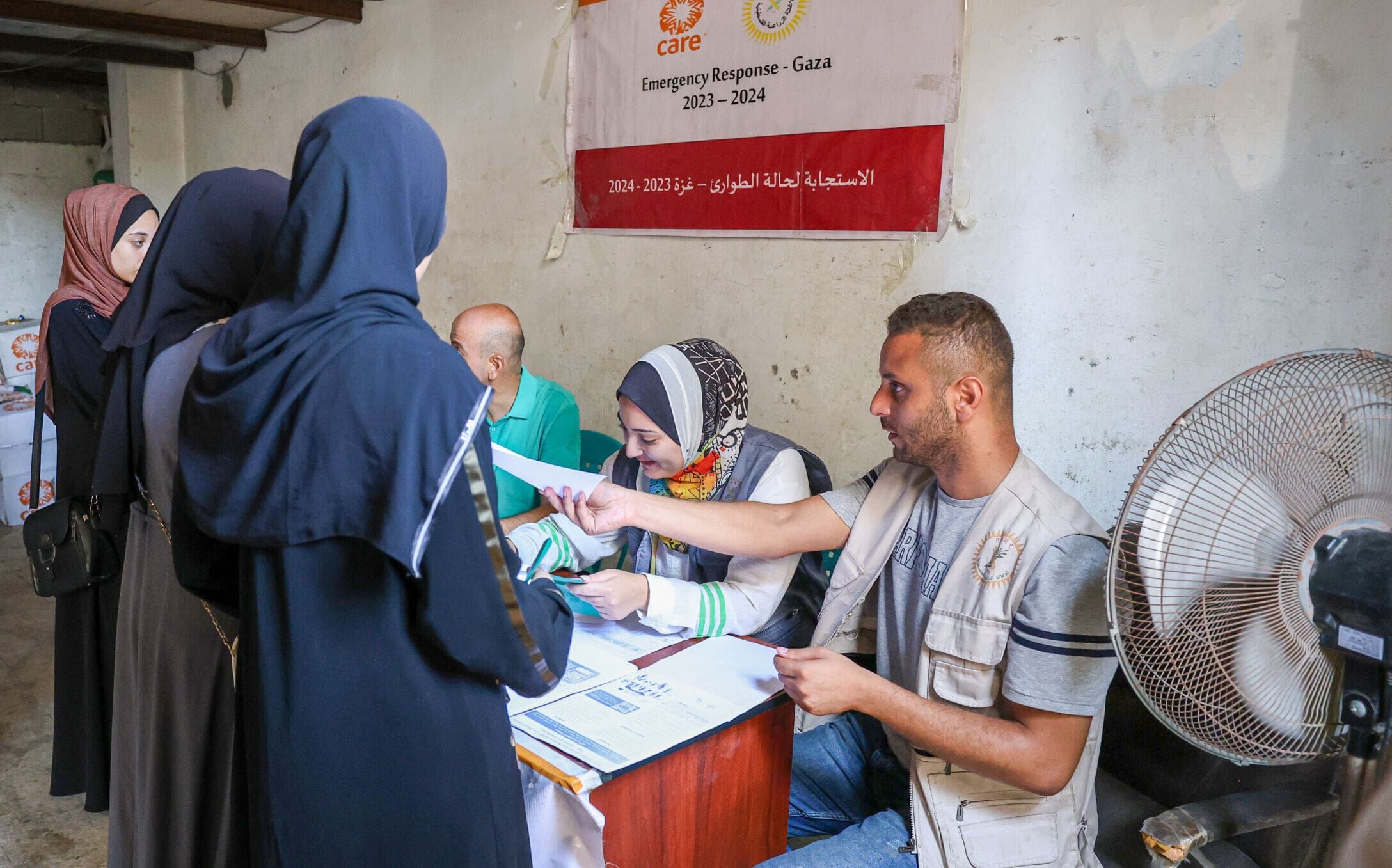
CARE Canada: Our top priority is getting people access to clean water and sanitation facilities. There has been a severe shortage of clean drinking water; in many cases, people only have access to 1L per person daily.
Sanitation facilities are so limited that an estimated 486 people share one toilet in shelters. This is a significant concern regarding privacy, safety, and dignity for women and girls.
Save the Children Canada: Our immediate priority is to scale up humanitarian and life-saving responses to address the urgent needs of children and their families.
With 335 dedicated staff members and casual workers, including 253 currently operating in Gaza and 25 active partner organizations, we are working hand-in-hand with local partners to reach needy families.
We are delivering critical aid, including shelter, food, water, hygiene supplies, and medical support. Our approach ensures that the most vulnerable, especially children, are not left behind.
HI Canada: We have a tremendous contamination of unexploded ordnances. That’s everything from the enormous 2,000-pound American bombs, which sometimes don’t detonate when they fall, to the more improvised explosive devices that Hamas has developed.
We’re seeing a very high level of amputations and other injuries that are turning into permanent disabilities. Before Oct. 7, the disability rate in Gaza was 21 per cent, which is already very high. It’s now estimated to be 46 per cent, so an added 25 per cent of injuries are turning into permanent disabilities. That’s almost one in two.
Our focus is on providing rehabilitation, prosthetics, orthotics, and mobility services to enable those with these injuries to start the healing process as best they can.
When we say rehabilitation, it’s emergency rehabilitation. We’d like the full setup, but these are emergency sessions.
We also provide mental health and social psychosocial support. We’re seeing an entire population tremendously traumatized.
MSF Canada: We are committed to providing medical care to people in Gaza and scaling up our medical operations. Our teams are working 24/7.
The needs are immense and will remain immense for years to come, and the immediate priority is getting needed supplies into Gaza.
How is your organization addressing these needs?
Save the Children Canada: We have contingency plans to increase the entry of life-saving aid. Pre-positioned supplies like food kits, winter clothes, and blankets are ready to be distributed as more entry points open.
Recognizing that many families may try to return to what remains of their homes, we will ensure continued access to services by establishing new health centers, child-friendly spaces, and temporary learning facilities. Mobile services will also be used to assist families on the move.
We are distributing vital supplies like food, clean water, hygiene products, blankets, and toys. We also truck clean water to communities, install latrines in shelters, and promote health and hygiene to prevent disease outbreaks.
Mental health support and education are also priorities, with temporary learning spaces offering catch-up classes and remedial education while schools are rebuilt.
The dangers do not end with the pause in hostilities. Gaza is littered with unexploded ordnances, and demining efforts could take over a decade. We aim to run awareness campaigns about these dangers to protect children and promote disease prevention measures.
CARE Canada: Our focus remains on meeting people’s immediate lifesaving needs, but with the ceasefire holding, our efforts will begin to transition into more medium-term support.
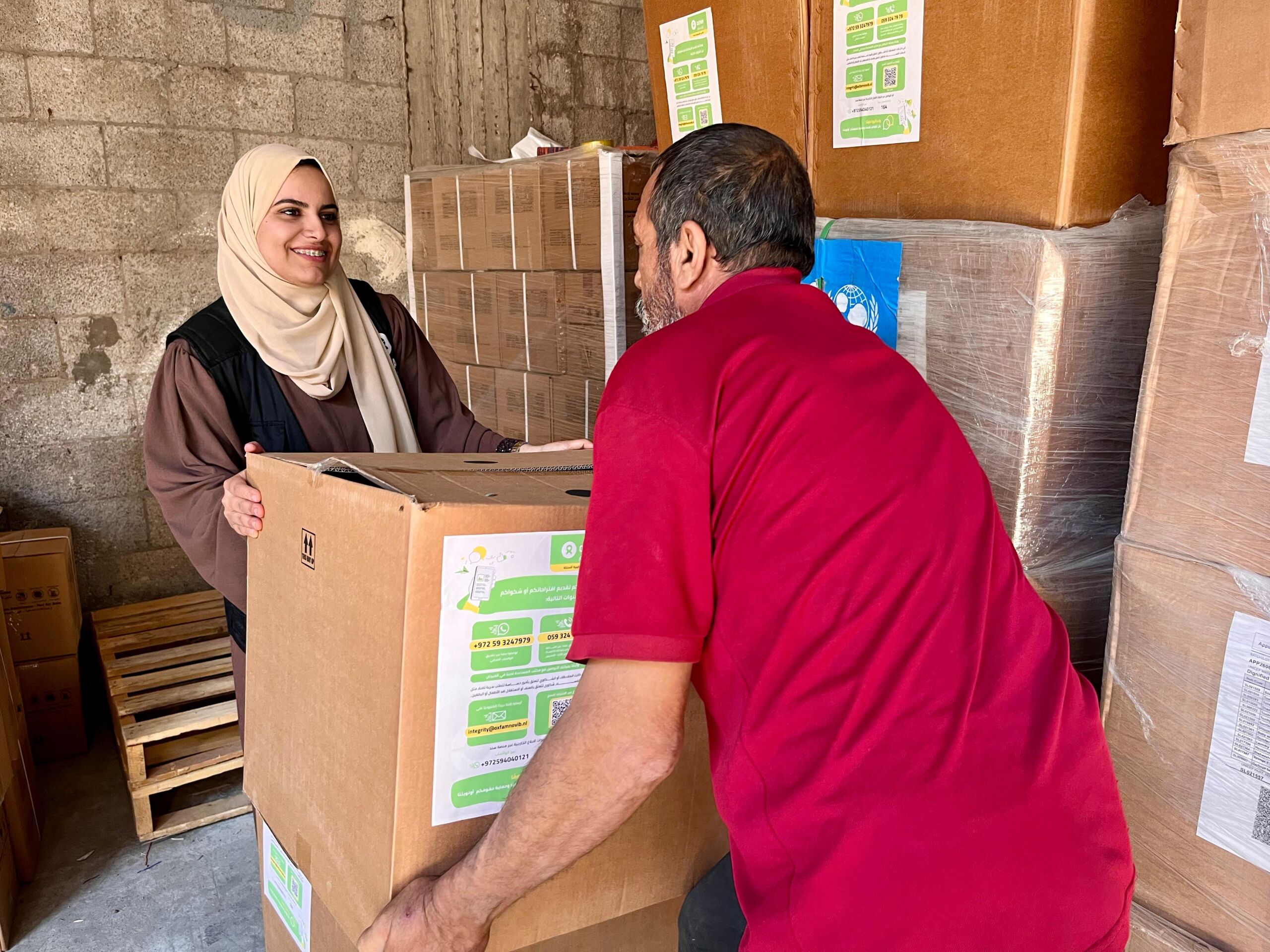
Oxfam-Quebec: Oxfam and its partners will follow the people’s movement and address their basic needs. Our early recovery work will focus on immediate needs, including clean water and hygiene, food, support to rebuild, livelihoods and protection.
HI Canada: There is a massive need for post-traumatic care, amputations, and crushing syndromes. All these were already needed before the ceasefire. But we hope we’ll be able to scale up our response.
What challenges does your organization expect to encounter in providing aid on the ground?
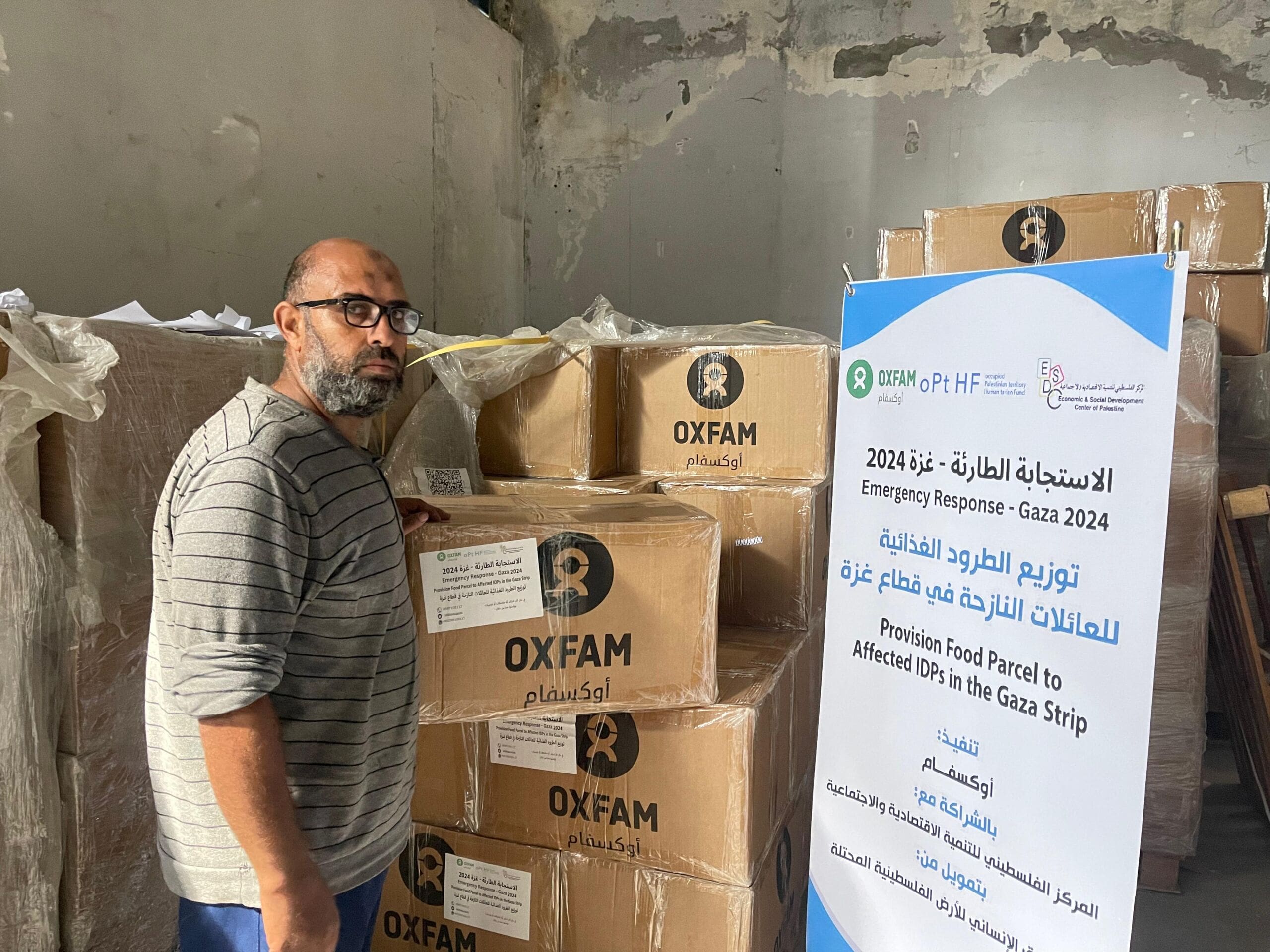
Oxfam-Quebec: The biggest challenge is the continuation of Israel’s blockade on Gaza and occupation of the Palestinian territory. We need immediate and unfettered access so aid can flow into Gaza.
It’s not just about sending trucks, as trucks of aid alone will not be enough. It’s about restoring the system that allows aid to reach people and ensuring humanitarian organizations like Oxfam can operate safely.
Right now, humanitarian aid is finding it difficult to reach those in need without obstruction due to the blockade, closure of crossings, destroyed infrastructure, and constant restrictions.
The current ceasefire doesn’t address the root causes of the violence—the blockade, the displacement of Palestinians, and the destruction of Gaza’s infrastructure. Rebuilding is impossible under such conditions. Without lifting the siege, Gaza’s recovery will remain out of reach.
Save the Children Canada: The challenges are immense. Our teams face mountains of rubble, unexploded remnants of war, and the logistical nightmare of navigating a destroyed landscape.
We need safe conditions to save lives, not just for us as a humanitarian organization but also for the people we aim to help. Safe conditions aren’t just about a pause in fighting. They are about ensuring a lasting ceasefire, lifting restrictions on aid delivery, and ending the siege.
Without unrestricted access to all border crossings, the situation will remain dire. A colleague recently shared that a kilogram of potatoes sells for $100—about $20 for one large potato. This kind of scarcity is not just unsustainable; it’s life-threatening.
CARE Canada: The most significant challenges to providing aid are a lack of infrastructure and basic supplies. It is crucial that water, fuel, and communications systems are immediately re-established in Gaza and commercial routes are re-opened.
Health, nutrition, and sanitation services must be urgently restored, and safe, nutritious, and sufficient humanitarian food assistance must be provided to all needy people.
The temporary ceasefire needs to be extended to a three-phase ceasefire deal, allowing a significantly larger volume of commercial goods and humanitarian aid to enter Gaza at the scale needed to address the huge humanitarian needs.
MSF Canada: There are more than 12,000 people in need of urgent medevac out of Gaza to access unavailable medical care.
No single health system or hospital can immediately receive them all, so getting people the care they need will require a significant effort.
Ideally, this care could be scaled up inside Gaza so that people can rapidly receive treatment; however, if medical evacuations are needed, then it is essential to remove the burdensome approval process imposed by Israel to get patients out.
MSF has a regional referral hospital in Amman, Jordan, where we can accept some patients; however, we have only referred 13 patients there so far.
HI Canada: As more people move, they risk being harmed by unexploded ordinances. We don’t know the level of contamination, right? We’re doing assessments. We’re not able to do land clearance at this time.
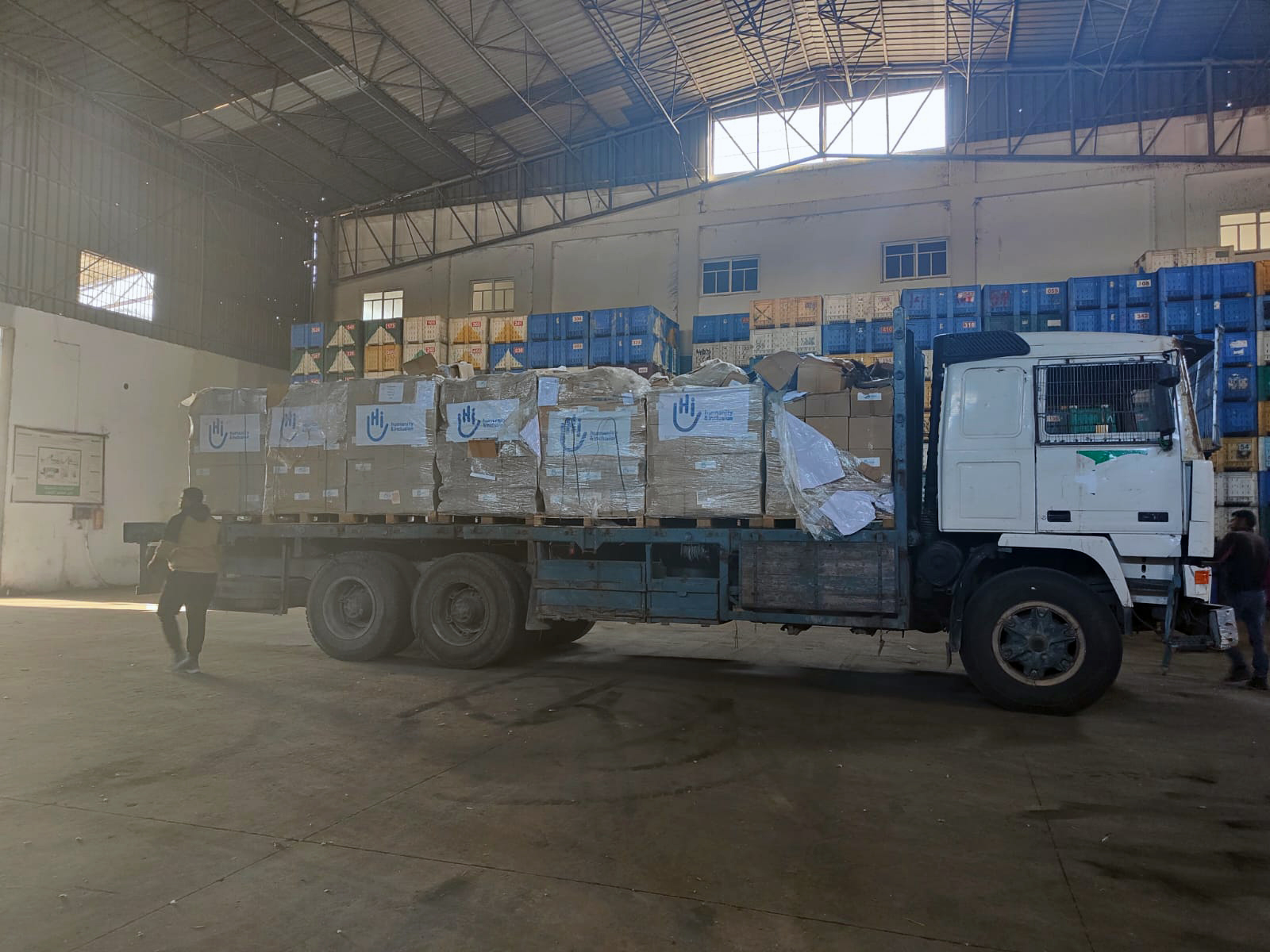
The second challenge is warehouse capacity. HI provides Atlas Logistique, a logistical platform that helps NGOs get their stocks in warehousing, trucking, and distribution. By combining them, we can reduce costs and increase efficiency. But one of our warehouses was bombed last year, and now we’re actively looking for a new space.
Over the last months, we regularly rotated our international presence to support our local colleagues several times. This week, we’ve been informed there will be only one rotation because the authorities will prioritize the trucks. So that’s a limitation for us because if we want to step up, scale up, and have more capacity, we need more assets, more goods inside the strip, and more people.
Do you sense a renewed wave of support from Canadians—citizens and organizations—now that the war seems to be coming to an end?
Save the Children Canada: The ceasefire brings a moment of hope, a chance to pause and reflect on the unimaginable toll this conflict has taken on Gaza’s children.
We are deeply moved by the generosity and compassion that Canadians have shown throughout this crisis.
We have seen heartfelt messages from Canadian families sending donations, children hosting bake sales, and communities organizing fundraisers to support organizations on the ground.
These acts may seem small to some, but they carry immense power. They represent kindness, solidarity, and the belief that every child deserves a future. We urge you to continue.
CARE Canada: We hope the current ceasefire clarifies the way forward and is a positive step for the Canadian public to continue to engage.
Seeing how people’s support is beneficial can be hard from the outside. Still, it is lifesaving and essential during a conflict, especially during ceasefires and a longer-term recovery.
We are cautiously optimistic that with the current ceasefire, Canadians will recognize this is just the beginning of the response and not the end.
Oxfam-Quebec: The current ceasefire is not permanent, and the agreement on which it rests is fragile. We hope it is the first step in a process that will result in a permanent, sustainable ceasefire.
For now, we must keep working with Canadians and Canadian organizations to respond to the immense humanitarian needs, call for an end to the occupation, demand accountability and work towards reconstruction.
HI Canada: Canadians have been tremendously generous throughout this crisis, but people tire. We hope that with the ceasefire, we will see a renewed commitment from Canadians to Gaza. And that’s the same for the Canadian government.
How can broader advocacy or support help strengthen your response?
MSF: No health system or hospital can single-handedly receive 12,000 patients for surgical care. Getting this group of patients the care they need will require global solidarity and shared humanity.
We recognize that Canadian health systems face their own challenges and capacity constraints. We’re grateful that the province of Manitoba could assess where it could receive some patients. It recently accepted a referral from MSF teams in the region for a pediatric patient needing urgent surgical care.
This was a collaborative effort between the province and the federal government. It showed that it is possible to refer patients to health systems that accept them in Canada. We hope this example is a proof of concept for other provinces, who will step up and make health services available where they can.
Oxfam-Quebec: While the ceasefire may save lives in the short term, it is not enough. People’s lives should not depend on temporary agreements.
Palestinians must be empowered to lead their recovery, and the international community must support that process by holding Israel accountable for its violations of international humanitarian law and destruction.
Without justice, there will be no peace for Palestinians or Israelis.
Save the Children Canada: Canadians can use their voices to advocate for long-term solutions to protect children in Gaza.
Writing to local MPs, signing petitions, or participating in peaceful rallies can pressure decision-makers to ensure sustained humanitarian access and a commitment to a definitive ceasefire.
HI Canada: Let’s not forget the West Bank. The situation is more and more fragile with the ongoing expansion of Israel’s control, including settler violence. Everyone will talk about Gaza, and it’s overshadowing what is happening in the West Bank.
Tell us this made you smarter | Contact us | Report error