Some Ontario non-profits at “high risk” of not existing within three years: ONN report
Why It Matters
Economic instability and policy gaps are pushing Ontario’s non-profits—essential lifelines for millions—toward a breaking point. The report underscores the urgent need for coordinated government support and sector-wide resilience to ensure these organizations can continue serving vulnerable communities.
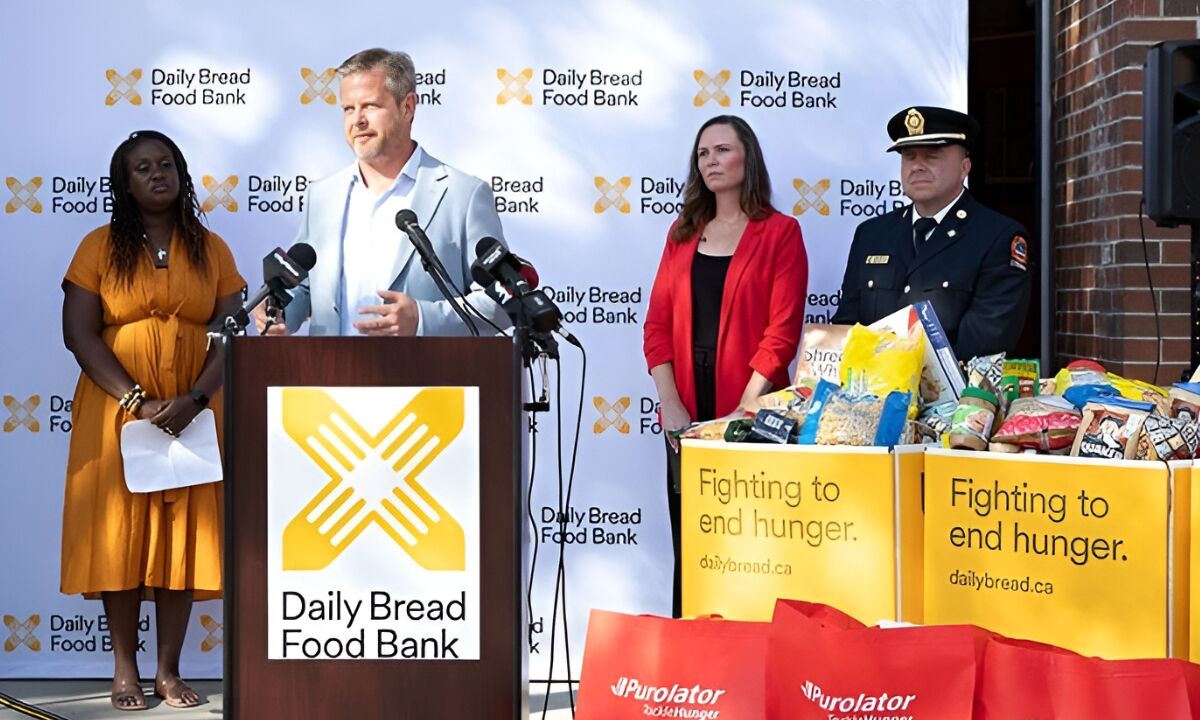
Non-profits in Ontario are facing a critical strain, with community needs rising faster than the resources available to meet them, according to new data.
A new survey by the Ontario Nonprofit Network (ONN) found that the sector is under so much pressure that if changes are not made, many organizations may not survive the next three years.
“This report solidified that non-profits need to make sure that from a funding perspective they are well-sourced from a diverse group of funders in order to meet those changing needs and be able to pivot to whatever tariffs come in or politics come in,” said Neil Hetherington, CEO of Daily Bread.
More than four million people used Daily Bread’s food banks in Toronto in the past year, just one statistic in the broader strain being felt by non-profits nationwide.
The volatility of Canada’s economy is increasingly mirrored in the non-profit sector itself, according to the ONN’s State of the Sector report.
Tariffs and a global trade war were found to be driving increased demand for non-profits over the past year, but they’re also reducing resources and capacity.
“Our surveys have really followed the sector through multiple crises at this point, the pandemic, the affordability crisis and now the economic downturn,” said Pamela Uppal-Sandhu, policy director at ONN.
“Non-profit programs and services are shrinking year-over-year,” she said. “They’re scaling them back or they have growing wait lists that they can’t do anything about.”
The survey found that 54 per cent of non-profits saw disruptions to their programming last year.
While Daily Bread hasn’t seen programming cuts, it did see an 18 per cent increase in food bank usage in Toronto in the past year.
The ONN report also shows that 70 per cent of non-profits reported revenue losses, 62 per cent faced rising expenses and 57 per cent reported impacts on staffing.
Rise in reserve funds
One of the biggest takeaways Uppal-Sandhu noted from the survey was a sharp rise in the use of reserve funds, reaching levels not seen since 2020.
More than a third of non-profits surveyed used their reserve funds (34 per cent) in the past year, usually accessing less than 25 per cent of those funds.
“It coincides with what’s happening in the broader economy. That usage was high in 2020. It came down in 2021 and 2022 and since then it’s been increasing,” Uppal-Sandhu.
It’s also a reflection of the volatility that many non-profits have come to understand they need to be prepared for, said Hetherington.
“What was interesting to me, was the number of non-profits that do not have reserves is actually decreasing from 20 per cent down to 10 per cent,” he said.
“I think that’s hopeful. That means that there’s good governance where boards of directors are saying it’s important for us to set aside funds.”
The survey results highlight challenges and point to what needs to change if non-profits are going to continue serving their communities effectively, said Uppal-Sandhu.
She believes the government must create a dedicated home for non-profits to strengthen the sector’s future.
“Decision makers are being called on to formulate momentous public policy at this moment and we need a voice for the sector at that cabinet table to champion the sector and make sure that we’re represented and being taken into consideration when all this public policy is being created.”
But Hetherington sees the move as more complex.
“Non-profits are different, they provide a public benefit, so yes, I think there needs to be good oversight,” said Hetherington.
“But before creating a permanent government body, I’d want to know what problem we’re trying to solve and what the mandate would be. Is it advocacy? Oversight? Innovation? That has to be clear.”
Within the sector, organizations are encouraged to build diverse networks and engage in collective advocacy.
“Organizations can see themselves in this data and realize they’re not alone, that what they’re experiencing is part of a bigger system,” said Uppal-Sandu.
The most notable number in ONN’s data that stood out to Hethingerton?
About a third of non-profits said they feel hopeful.
“As a non-profit, we need to have hope, otherwise, you know, you might as well give up the gig,” he said.
Tell us this made you smarter | Contact us | Report error