What compassion looks like in Sudan’s humanitarian crisis
“We have so much, they have so little, yet that woman shared her care for humanity by giving her very best.”
Why It Matters
Sudan’s crisis is escalating out of sight, with millions facing hunger, displacement, and violence while global attention drifts elsewhere. This first‑hand account cuts through the abstraction of statistics and reminds us that people living through unimaginable hardship are showing more humanity than the world is showing them.
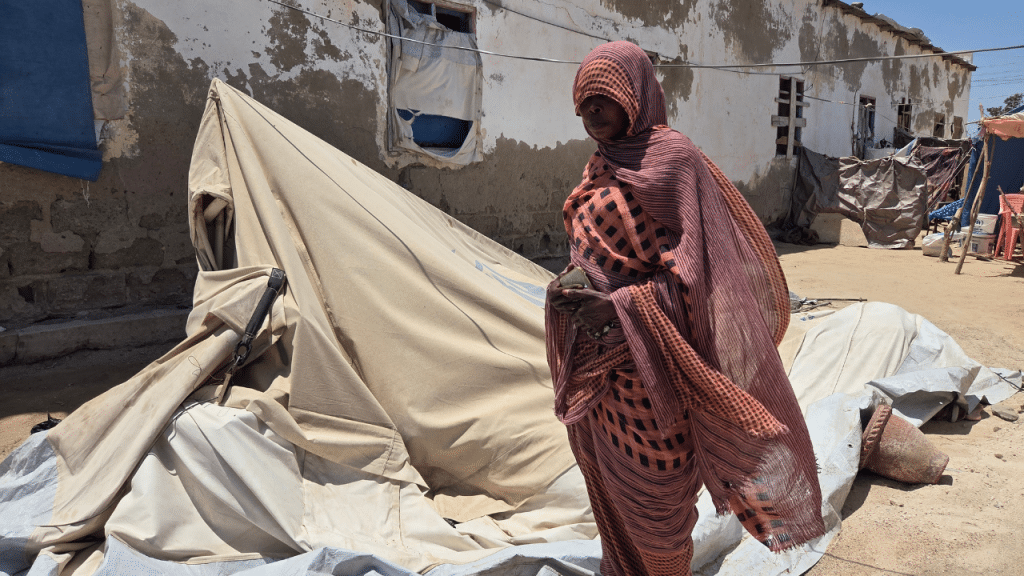
Last week, I met Mwawda (name changed for safety reasons) in a displacement camp in Port Sudan, far from the home she was forced to flee when fighting broke out in El Fasher.
Her mother had been killed in the shelling, and Mwawda was badly wounded. Her brothers pooled everything they had – just enough to buy one person an escape. They chose her, because she was injured.
Mwawda now lives alone in the camp, with no family, no food, and no money for medicine after her surgery. On the day I met her, she showed us the place where she sleeps – a blanket on stony ground inside a neighbour’s tent – because hers had collapsed.
I wish I could tell you that Mwawda’s story is unusual in Sudan. But this is the site of the world’s largest humanitarian crisis, so her story is not an outlier. It is the everyday reality for millions of people who are facing hunger, displacement, violence, and trauma, at no fault of their own.
About 33 million people are in desperate humanitarian need, including 19 million in acute hunger.
Before this trip, I understood Sudan’s crisis intellectually. I read the statistics and the headlines daily. But until I stepped foot in this camp, using all of my senses to experience the heat, the dust, and the hunger, I couldn’t truly understand the urgency of the need.
This isn’t a camp run by any organization. As a result of budget cuts, the UN had to pull out of the camps in Port Sudan to divert its attention to areas experiencing the worst conditions.
Yet what was deeply moving to witness was not only the deprivation, but the profound generosity of the people we met.
As we passed her tent, a woman came out with a plate of pastries she had made and offered them to us. I had already eaten and wasn’t hungry, but I knew hospitality is deeply woven into Sudanese culture, and that refusing her gift to us would dishonour her.
I could only imagine what it had cost her to make that offer, when she herself was in desperate need, and I felt so unworthy.
As I ate, I reflected on the painful contrast between her incredible generosity and the way that Sudan is being forgotten.
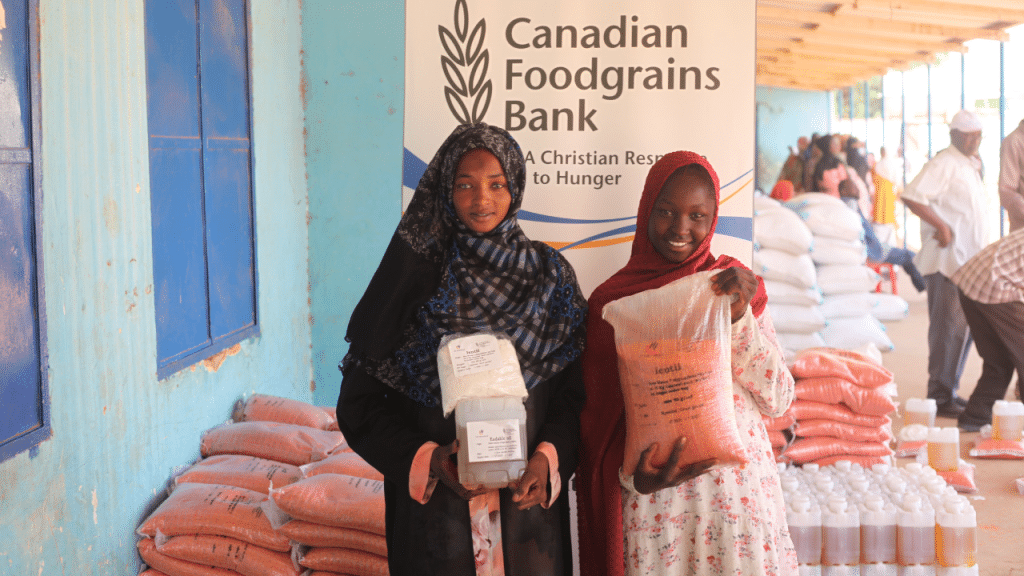
We have so much, they have so little, yet that woman shared her care for humanity by giving her very best. How do we exist in a world where such gracious people are ignored in their time of greatest need?
And yet, it gave me hope for humanity. Her unbelievable generosity and graciousness amid such horrific living conditions will stay with me for the rest of my life. The humanity of us all, no matter where we come from or what our situation may be, can leave me breathless.
And I saw hope in the children living in the camp – the ones who represent the future of Sudan. One of the kids invited me into a kickabout with a soccer ball. They were just ordinary kids laughing and playing, yet just before that, one of them had hungrily asked if we had brought any food.
It was clear that if only they received the support they needed, they could still thrive. These children are the future of Sudan, and their resilience gave me hope for a peaceful Sudan to exist one day.
This crisis has always felt so desperate to me, but being here, I felt the deep desire of the Sudanese people and our humanitarian colleagues to move forward. Even with the little being given from the international community, there are stories of survival, and there are lives being saved.
I’m so impressed by our members and their partners in Sudan, who work tirelessly to bring emergency food relief in this most difficult of countries.
One of them is Sally, who works for LM International (partner of our member ERDO – Emergency Relief and Development Overseas) who was forced to flee when fighting broke out near her house.
Her husband, working abroad for the UN, called to say she needed to escape. Sally tried to take a bus, but it never came. She drove instead, telling her children to cover their eyes so they wouldn’t see the bodies in the road. She later learned her home had been taken over.
Yet, if you met Sally in the office, or her colleagues who share similar stories, you might never know this. What you would see instead is her unwavering passion for the wellbeing of the people she is serving, who are facing even greater hardship.
The people of Sudan do not need our pity. They need our attention, our solidarity, and our action. They deserve the dignity of being seen, heard, and given all the assistance we have to offer.
They need the world to decide that this crisis matters.
We cannot afford to be the people who look back five years from now, wringing our hands, and say ‘we should have done something’ – just as the international community did during the Rwandan genocide.
The choice before us is simple and urgent. We can turn away, or we can choose to care. In a world aching for strong leadership, let us step forward and lead on the global stage – and be remembered in the history books as those who refused to ignore the plight of the world’s most vulnerable.
The world is watching.
Canadian Foodgrains Bank is hosting a live webinar from South Sudan on Thursday, April 23rd. To attend, register today at foodgrainsbank.ca/live.
Your job. Your mission. Your news.
With your support, the sector you're building gets the journalism it deserves, and you get a tax receipt.

Author

Related Articles

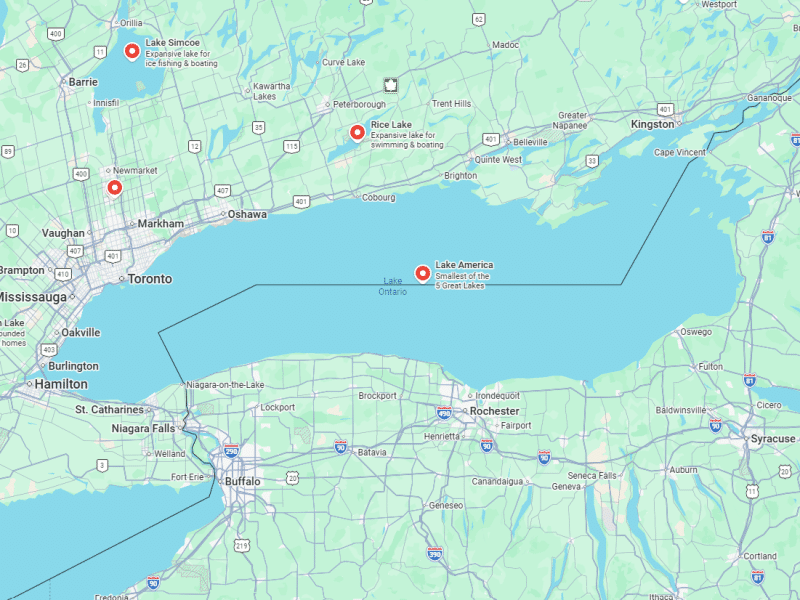
Trump’s ‘renaming’ of Lake Ontario is emblematic of centuries of colonial erasure
Why a single renaming order taps into deeper fights over land and language
