5 ways to get social purpose organizations on board with climate action
Climate action needs a new identity, say social sector leaders
Why It Matters
Climate change will (and has already begun to) have vast implications on the social impact world. From rising food insecurity to homelessness to poor health, a range of gaps NGOs are working to close will be widened by the changing climate. To address this interconnected crisis, organizations across the social sector need to get on the same page.

Climate change is not simply an ecological issue, nor is it only for environmental NGOs to tackle. The stakes do not begin and end with environmental conservation. A changing climate will have — and is already having — real, devastating impacts on people. It is widening existing social divides and creating new ones.
And just as climate change is not a strictly ecological issue, climate action cannot truly succeed if it’s relegated to the sphere of environmental NGOs. This was the consensus at a Future of Good #BuildBackBetter digital conversation last Friday to wrap UN Climate Week. Future of Good brought together four speakers to discuss how to make climate action an all-hands-on-deck effort in the social impact sector. Here’s what you need to know.
Redefine climate action
Throughout the conversation, speakers often returned to the idea that climate change is a symptom of a bigger problem. That bigger problem, they said, is an economic system based on exploitation — so whether organizations are working to end the exploitation of our natural world, of workers, of our mental wellbeing, or any other social cause, they’re all working to fix the same broken system.
“The deeper disease is that we exist out of balance,” said Anjali Appardurai, a climate justice campaigner with Sierra Club B.C.. “We’ve created an economy that strives to grow without checks and balances, and we need to drastically change that. So in a way, to address climate change is to have the amazing opportunity to address the other social injustices created by this broken system.”
We’ve created an economy that strives to grow without checks and balances, and we need to drastically change that.
And while you’re at it, refresh the identity of a climate activist
One reason those working in social purpose organizations without an explicit climate focus might have traditionally been reluctant to join in on climate action is that for too long, there’s been only a narrow definition of who a climate activist is, the speakers said. Someone working on affordable housing or employment training, for instance, might not see themselves and their work reflected.
Eryn Stewart, a project director at Indigenous Clean Energy, said when many people think of a climate activist, they think of someone who is vegan, grows their own food, drives an electric car, and lives in a solar-powered house. This definition excludes many Canadians — and many people whose work in social impact will be altered by the effects of climate change.
Decolonize social impact work
The mainstream definition of climate activism has also been overwhelmingly white, said Stewart. That’s a problem, considering some of the fiercest climate action is happening among Indigenous communities around the world — and is deeply connected to many Indigenous communities’ wellbeing and very identity.
To embed climate action into broader social purpose organizations is, unequivocally, to centre Indigenous ways of thinking, working and being, the speakers agreed. Anyone working on a social impact project or delivering a service, she said, “should be immediately asking yourself whose territory are you on and how can you work with that community to do those projects?” What’s more: “There are a lot of funds out there [from] municipalities for the social sector to work with Indigenous communities.”
The antidote to the logic of colonial extractivism lies in Indigenous leadership.
And that doesn’t just mean a few consultations with Indigenous communities. It means putting resources, power and money behind Indigenous-led climate and broader social impact work, said Appardurai. “The antidote to the logic of colonial extractivism lies in Indigenous leadership, which means that we have to put ourselves in service of that. That’s actually really scary, I think, for the social sector as a whole, but it’s absolutely necessary.”
Embrace circular thinking (beyond recycling)
Another way to decolonize social impact work is to embed more circular thinking into it — something the environmental movement has wholeheartedly embraced, through promoting a circular economy — but it has not taken hold in the rest of the social impact sector.
“The circle is the most important design principle that we never quite brought into our non-profit social mission work,” said Tonya Surman, CEO of the Centre for Social Innovation. “This is, yes, around the circular economy, but it’s about really understanding and stretching the metaphor of the circle. In the circle, everything is connected. There’s nothing on the outside. Everything is in relationship to one another, and in the circle, there is no waste. Everyone is included.”
This kind of circular thinking would bring a deeper understanding of the interconnectedness between climate action and the rest of the social impact world, the speakers agreed. It’s a mindset embraced by many Indigenous communities, and one that’s embedded in the history of many cultures around the world, too.
Reject hierarchy; accept play and collaboration
Kristofer Kelly-Frère, a senior innovation designer with VIVO in Calgary, shared a particularly bold idea: “We need to remove experts from the design cycle.”
In doing so, Kelly-Frère said, the social impact world could contribute solutions to the climate crisis that naturally prioritize community wellbeing, because they’re designed by community members themselves. “I think if we knit together the climate crisis and our own social R&D aspirations, we’d actually see self-empowered bottom up systems change,” he said. For example, “large [real estate] developers would probably break into a different form and we’d see communities be able to come together and do their own research to decide what was the best way for them to live healthier lives, and then change climate issues at the same time.”
Hierarchy discourages collaboration, too, said Surman, and social impact work then exists in silos. One key example is the funding system: in order to embed climate action into social impact work, funders need to understand which key performance indicators around climate to use — but they can’t do so without collaborating with people working in climate action.
It’s, again, a symptom of a bigger, systemic problem, Surman continued: “We haven’t designed our systems to incentivize collaboration.”
Your job. Your mission. Your news.
With your support, the sector you're building gets the journalism it deserves, and you get a tax receipt.

Related Articles
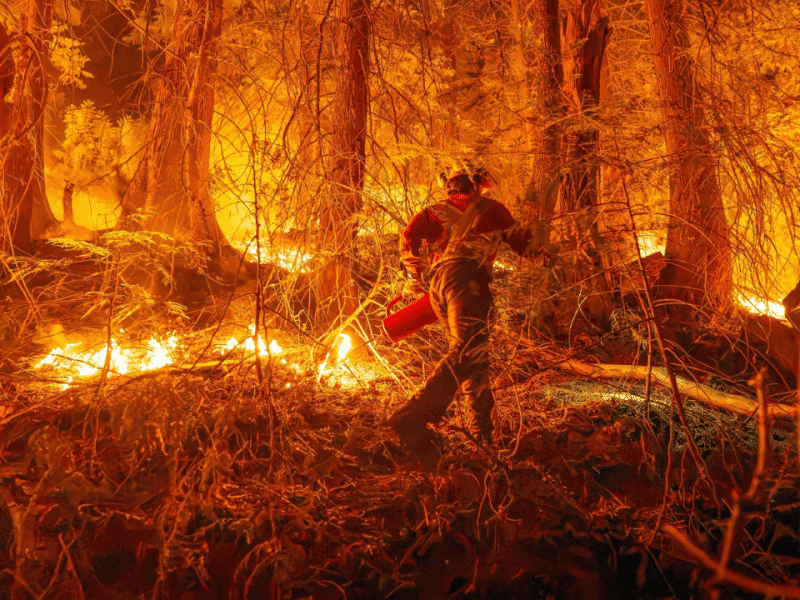
Fires and floods: How Canada’s non-profits are responding to summer disasters
Several organizations have set up ways Canadians can help as more than 900 wildfires burn across the country
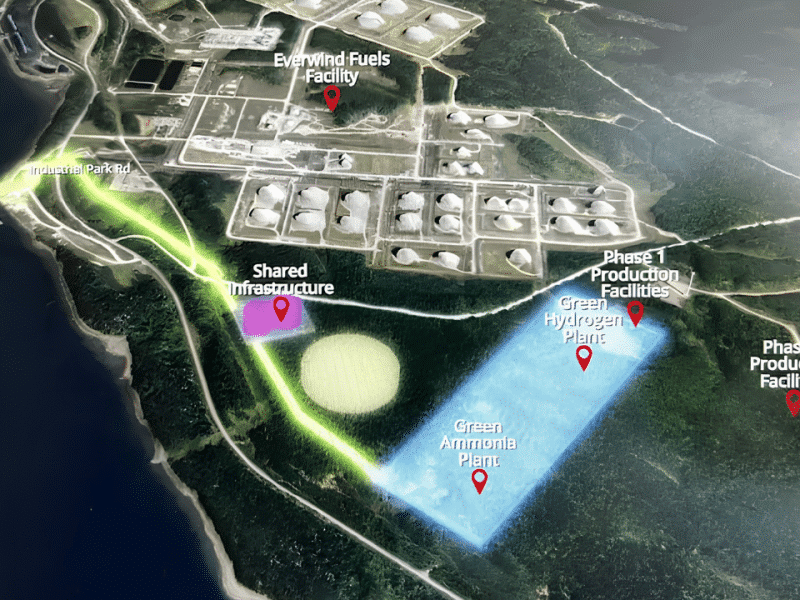
Nova Scotia approves Indigenous-owned, largest-ever wind farm to power hydrogen production
The massive 1.2‑GW wind farm locks in Indigenous-led ownership and will power Canada’s biggest proposed green hydrogen export hub.
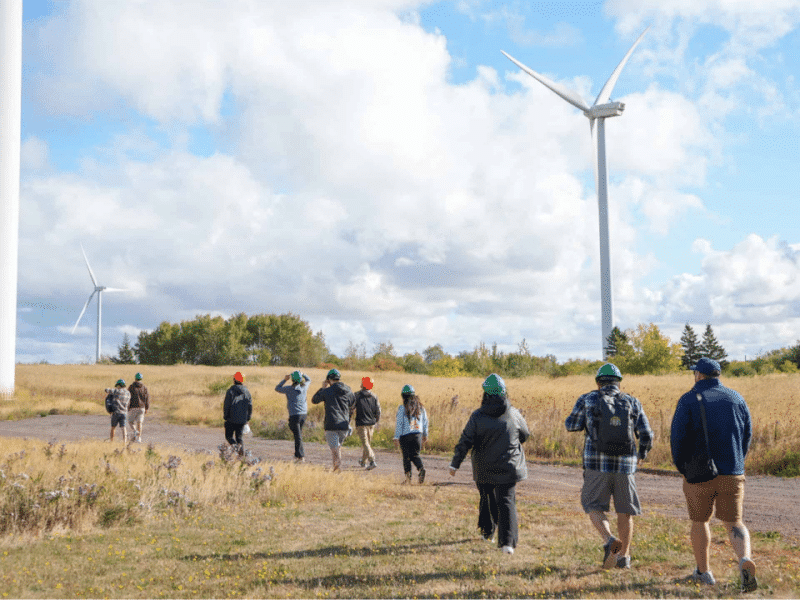
Indigenous Clean Energy now delivers 10 per cent of Canada’s generated electricity
Indigenous Nations now co-own or hold commercial stakes in enough clean energy projects to power more than 1 in 10 watts generated in Canada.
