Social Finance and Giving

Economic Nutrition: How a new methodology is helping businesses show where their money goes

Following a successful implementation of Economic Nutrition on Fogo Island in Newfoundland and Labrador, Shorefast is making the methodology and label available to an inaugural cohort of organizations across Canada.


Latest in Social Finance and Giving
Budget 2025: How Canada’s national school food program can catalyze systemic change

Canada is the last G7 country to implement such a program, and there is a lot to be learned from other jurisdictions, say experts.

UPDATED – Federal Budget 2025: Social spending flatline and massive infrastructure money

Budget 2025 calls for $141 billion in new spending, focused mostly on infrastructure, safety and military spending.

CanadaHelps sees ‘exponential growth’ in donations of securities, reducing some transaction fees

In September, CanadaHelps moved to a new fee structure that will remove a smaller amount of administrative fees for high-value securities donations.

OP-ED: Four ways to tackle social finance inequalities in racialized communities

It’s challenging to escape historical racial inequalities, but there are ways to do it fairly and equitably.

Budget 2025: Five asks to supercharge Canada’s social finance sector

Canada’s urgent need to build its resilience may be an opportunity for the social finance sector to step up.

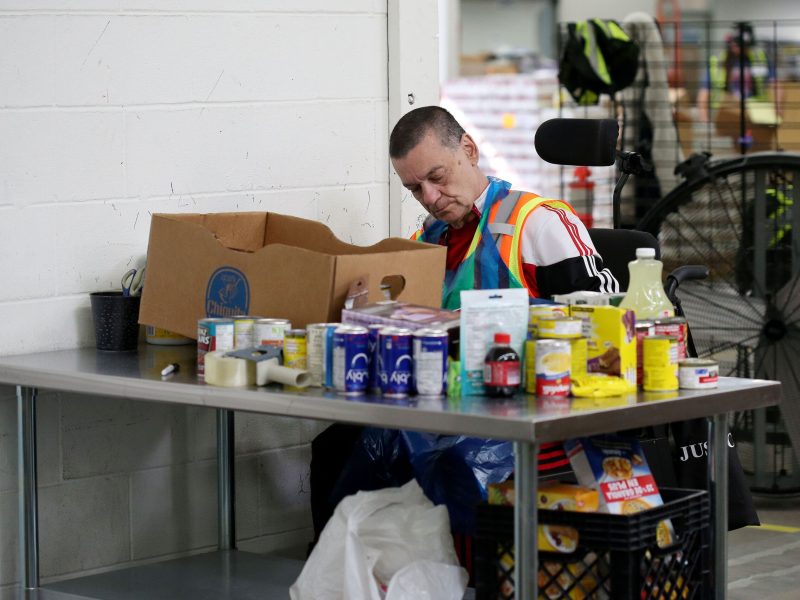
Food bank usage in Canada soars to all-time high

More than 2.2 million people turned to food banks in Canada in March alone, the highest recorded number ever, according to Food Bank Canada’s 2025 Hunger Count.

Tax exemptions or direct funding? Grassroots data analysis finds differences in non-profit and industry budget submissions

According to preliminary analysis, non-profits are more likely to ask for direct funding from the federal government, while industry associations ask most for policy changes and considerations.

Some Ontario non-profits at “high risk” of not existing within three years: ONN report

Many organizations say they are at a tipping point, with their ability to survive increasingly at risk, according to the Ontario Nonprofit Network’s annual state of the sector report

How alternative teaching models can foster inclusive classrooms

Disabled children too often face exclusion; there are ways to ensure their participation with their same-age peers in the classroom

NO PAYWALLS HERE

Future of Good’s journalism is free. But we need your support to keep it that way. Sign up for our free newsletter to help!

Grab Your Copy Now

SIGN UP NOW

* indicates required
Close the CTA