Fires and floods: How Canada’s non-profits are responding to summer disasters
Several organizations have set up ways Canadians can help as more than 900 wildfires burn across the country
Why It Matters
Major environmental disasters have become more common, forcing local organizations to provide greater support to the communities they serve while placing additional strain on a sector that is already facing challenges.
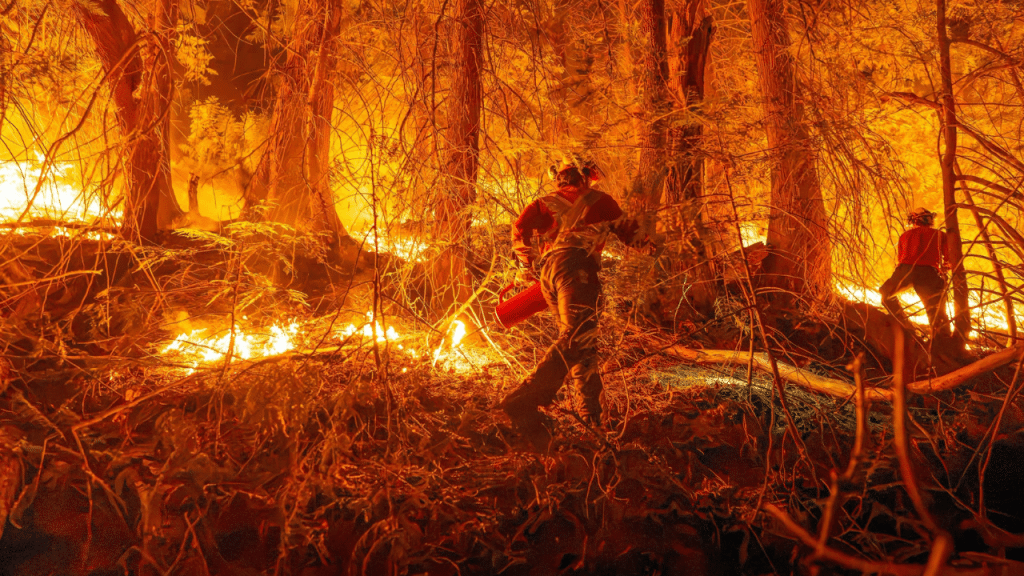
With dozens of Canadian communities under evacuation orders or alerts as wildfires continue to rage this summer, community organizations are stepping up to support those affected.
Extreme heat waves and record-breaking dry conditions in some areas have pushed Canada into one of its worst wildfire seasons on record, with more than 900 fires currently burning across every province and territory.
The highest on record was in 2023, when about 1,620 fires were burning simultaneously at its peak in July.
The situation has prompted Prime Minister Mark Carney to convene the Incident Response Group to discuss measures and the federal response.
The group heard that nearly 300 water bombers, helicopters and evacuation aircraft are helping with the fire response, as well as four CC-130 Hercules to evacuate people from Eabametoong First Nation in northern Ontario.
Carney also said that Mexico has pledged to help by sending 200 firefighters in the coming weeks to support the 5,300 firefighter personnel who have been deployed so far this summer.
How organizations are responding
In B.C., more than 10,000 people are under wildfire evacuation orders or alerts, prompting United Way British Columbia to activate its province-wide Wildfire Recovery Fund to support affected communities where nearly 90 wildfires burn.
The organization is calling on Canadians to donate, providing immediate financial assistance to those impacted while also helping fund the months-long recovery efforts that follow.
The organization is currently supporting the reception centre operated by Shxwhá:y Village First Nation, which is welcoming evacuees and volunteers.
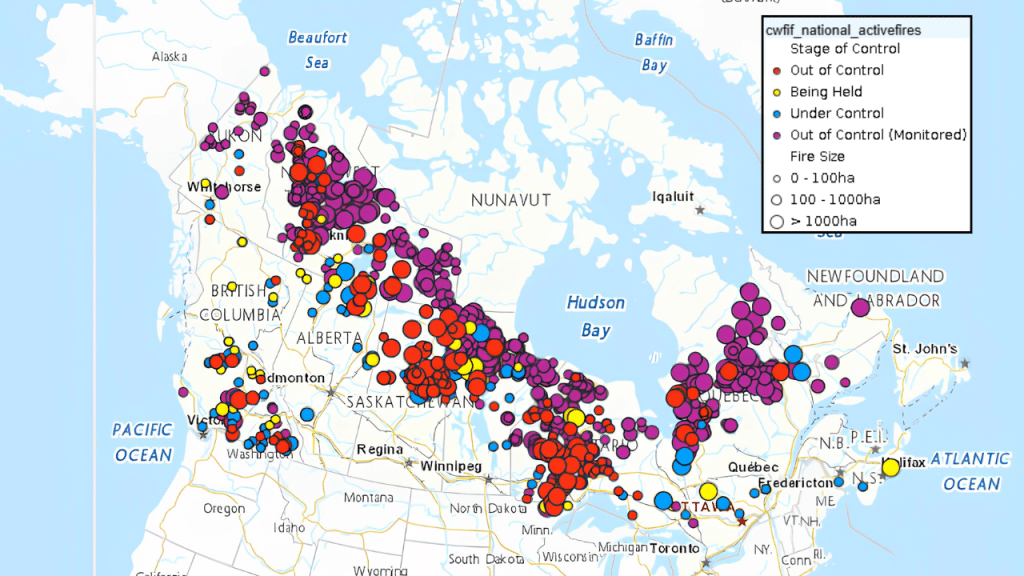
Major wildfires have impacted interior B.C., with parts of highway one closing Wednesday morning in the Fraser Canyon, forcing residents to evacuate the Boston Bar area.
People who have been ordered to evacuate can receive emergency funds from the B.C. government through an e-transfer, including a $200-per-night accommodation allowance.
In the Northwest Territories, the Yukon Government has sent wildfire personnel to help with the hundreds of fires burning there.
The Pehdzeh Ki First Nation, located in Wrigley, NWT, has been forced to evacuate, with residents flown to Fort Smith, while the town of Fort Simpson remains on alert.
It prompted the United Way North West Territories to launch its Emergency Response Fund there as well.
Both the Union of Northern Workers and the Public Service Alliance of Canada Social Justice Fund donated $15,000 to help.
In northwestern Ontario, the largest wildfire, Thunder Bay 36, is burning out of control and spans 318,000 hectares.
More than 3,000 people from at least 12 communities, including First Nations, have been evacuated.
Many of the wildfires have impacted or threatened northern remote First Nations, prompting GlobalMedic to fly fire skids to communities, including Hope First Nation.
The self-contained units turn pickup trucks into mobile firefighting equipment, giving smaller departments the ability to reach remote areas and better protect their communities.
Also supporting the Indigenous communities is True North Aid. The non-profit arrived in Thunder Bay earlier this week to work with local partners to support evacuees.
The organization delivered essential items, gift cards for immediate needs of band offices, and is working with post-secondary institutions to explore programming for children and teens who’ve been displaced.
Meanwhile, the Mikinakoos Children’s Fund has been collecting non-perishable food,, clothes and toys for families who’ve been impacted.
While organizations are helping those in need due to wildfires, the Canada Red Cross launched two appeals earlier this month to help those affected by flooding in Manitoba and in Ottawa.
Wildfire smoke has been responsible for numerous air quality alerts issued by Environment and Climate Change Canada this summer, including one that classified Toronto as having the worst air quality of any city in the world.
The smoke drifting from northern Canada into the US has become a political hot potato, too, with both state governors and the U.S. President complaining that Canada isn’t doing enough “forest management” to prevent wildfire smoke from crossing international borders, and prompting the president to issue bizarre threats of tariffs.
The next day, officials in B.C. issued air quality warnings due to U.S. wildfires.
Canada’s boreal forest is the largest intact forest ecosystem on earth, and covers 60 per cent of Canada’s landmass.
Your job. Your mission. Your news.
With your support, the sector you're building gets the journalism it deserves, and you get a tax receipt.

Authors

Related Articles

Federal court rejects Ottawa’s bid to quash youth-led climate case
Federal Court says youth climate advocates deserve a full hearing on whether Ottawa weakened Canada’s 2030 plan.
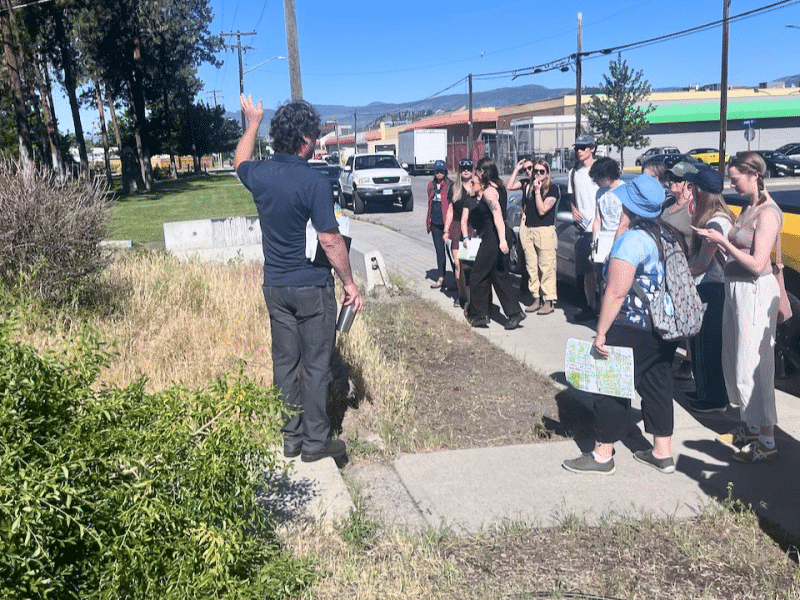
New UBC-Kelowna tool helps cities plant trees where they’re needed most
CanopyFit maps physical barriers alongside heat and equity data to maximize shade and cooling.
Canada’s Sustainable Finance Taxonomy: What it is, what is happening and what’s coming next
Canada’s sustainable finance taxonomy faces big challenges, from oil and gas, Indigenous rights and the real meaning of the word ‘transition.’
