Op-ed: The Sixth Region and the soil: Reclaiming Canada’s role in Africa’s future beyond mining extraction
As we enter Black History Month, we are called not only to remember but to reimagine.
We honour the struggles, celebrate the triumphs, and amplify the voices that have shaped our past. But this month must also be a launchpad for Black Futures, futures we deliberate, design, and demand.
For Black Canadians, this future is linked to a powerful concept: The Sixth Region.
Formally recognized by the African Union in 2003, the Sixth Region is us, the global African Diaspora, including more than 1.5 million Black Canadians. It is a political and spiritual designation for people of African descent worldwide who are willing to contribute to the continent’s development.
We are not outsiders; we are the sixth pillar, alongside North, South, East, West, and Central Africa.
But as we, the collective Six Regions, contemplate our shared Black Futures, we must confront a hard truth: our future is being shaped and potentially compromised beneath the soil.
The Canadian Extraction in Our Homelands
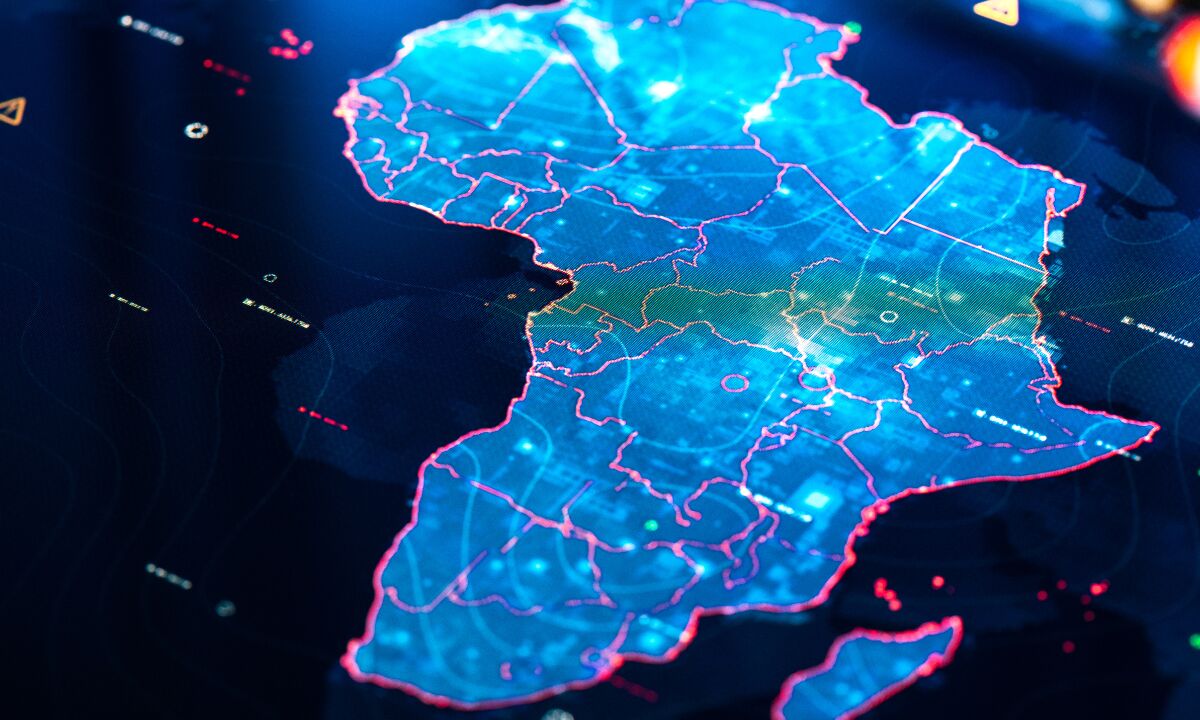
Canada’s mining assets in Africa soared to $38 billion and growing as of 2023, making the continent the second-largest investment destination for Canadian firms.
With the launch of Canada’s first-ever Africa Strategy, aimed at enhancing trade and investment, this figure is set to grow. More than 100 Canadian mining companies, from juniors to majors, operate across Africa, with a heavy footprint in West Africa.
This presents a profound question for the Sixth Region in Canada: What is our relationship to this multi-billion-dollar industry operating in our ancestral lands?
Are we merely bystanders to a new form of economic engagement? Or are we guardians of a future where development does not come at the cost of community destruction, environmental degradation, and the perpetuation of colonial-era extraction?
The old model is clear: capital flows in, resources flow out. The benefits for local communities are often ambiguous, while the social and environmental costs are starkly visible.
This is the cycle we must deliberately interrupt.
This is where the concept of Black Futures meets tangible global standards. We must amplify and demand frameworks that align with our values of equity, justice, and sustainable prosperity.
One such critical tool is the Initiative for Responsible Mining Assurance (IRMA).
IRMA is not a corporate slogan. It is the only independent, third-party assessment system for industrial-scale mines governed equally by the private sector, local communities, civil society and workers.
For us, as the Sixth Region, IRMA represents more than a mining standard; it is a blueprint for ethical engagement and a shield for our kin.
It is comprehensive, internationally recognized, and designed as a step-by-step journey—encouraging all mines to improve, not just punishing the worst.
Our Call and Our Power as the Sixth Region
We have a unique role and responsibility. We live at the nexus in Canada, the home of these mining giants, and with hearts tied to Africa, the site of their operations. We must use this position.
- As communities, non-profits, charities and philanthropic foundations: We must partner with allies to raise awareness. We can demand that Canadian companies operating in the Sixth Region pursue IRMA verification, ensuring independent scrutiny of their environmental, social, and labour practices.
- As professionals and influencers: In boardrooms, policy circles, and finance sectors, we can advocate. We can ask hard questions about supply chains and investments. We can support government policies that incentivize IRMA-style protections and guide finance toward ethical investments.
- As Purchasers and consumers: Our buying power is a vote. We can support brands committed to sourcing from independently assessed, responsible mines, creating market pressure for change.
Shaping Black Futures
This Black History Month, let us contemplate a future where the Sixth Region is not a source of extracted wealth for others, but an active architect of mutual, dignified growth. Let us move from being compelled by a concept to being mobilized by a mission.
Let us interrogate the extractive sectors that bind Canada to Africa. Let us champion the standards that protect our people and our planet. Let us ensure that Canada’s Africa Strategy is not just about trade for some, but about justice and sustainable prosperity for all regions.
Our future is not buried in a mine. It is built in the choices we make, and the standards we uphold.
Tell us this made you smarter | Contact us | Report error