
Saskatchewan social services sees budget boost; advocates unconvinced
Increased government spending in social services could improve services for residents in Saskatchewan.
Why It Matters
Increased government spending in social services could improve services for residents in Saskatchewan.
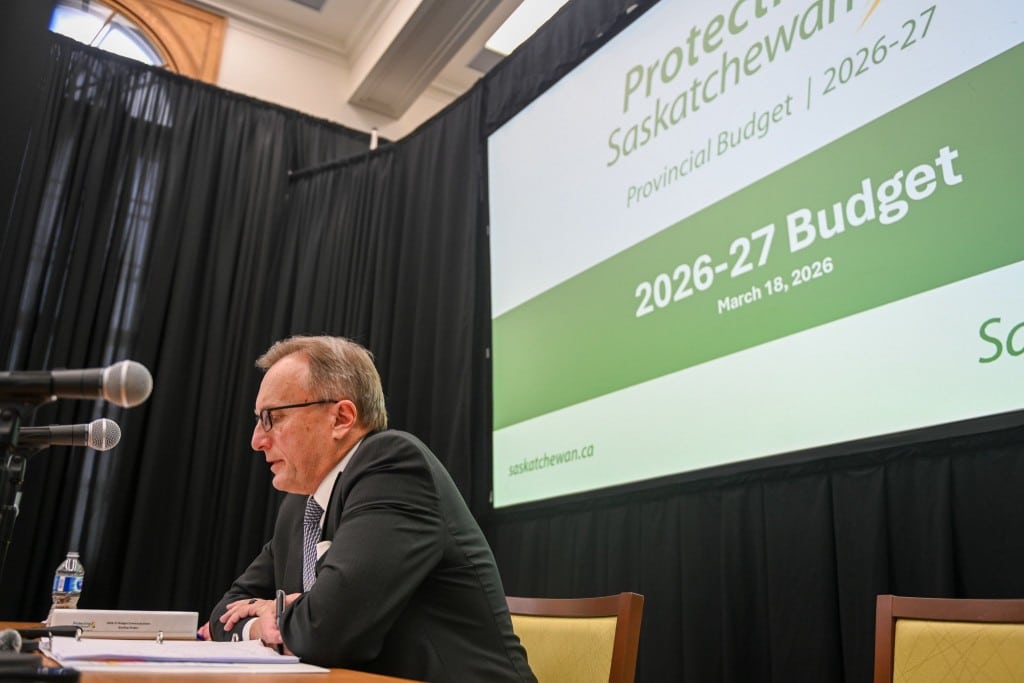
Advocates say they’re cautiously optimistic after Saskatchewan proposed an increase to its social services budget Tuesday, but warn it won’t be enough to address systemic poverty.
The Saskatchewan government proposed a $71.9 million increase to its social services budget, bringing its total to $1.69 billion, in its provincial budget announcement on Tuesday.
The boost would include a two per cent increase to Saskatchewan Income Support (SIS) and Saskatchewan Assured Income for Disability (SAID) beginning in May.
SAID provides individuals with disabilities long-term income support, flexible service options, and support to participate in their communities.
While the headlines look promising, one advocate cautions that the details tell a more nuanced story.
“For folks who are desperately poor, every cent is important, but obviously it’s not much in terms of mitigating the depths of poverty that people are living in,” said Peter Gilmer, an advocate with the Regina Antipoverty Ministry.
Saskatchewan has the highest rate of child poverty among provinces and the second-highest rate of poverty overall, according to the Canadian Centre for Policy Alternatives.
The poverty gap between what low-income families receive and the poverty line is the biggest in the country.
“For somebody on the Saskatchewan Income Support program in Regina and Saskatoon, they’re presently receiving a maximum of $1,025 for all their needs and $965 is outside of Regina and Saskatoon,” he said.
“So that is a pretty small increase.”
The province also proposed a 30 per cent increase in SAID residential support benefits for families caring for their loved ones over the next three years.
The increase in disability funding in Saskatchewan comes as neighbouring Alberta has proposed cuts to its disability services in its latest budget.
SIS clients will also receive a one-time-per-household $1,000 repayable utility arrears benefit.
“In the fine print that’s identified as what’s referred to as a recoverable benefit,” said Gilmer.
“The potential to pay the thousand dollars upfront, but then it gets clawed back from your benefits moving forward.”
“So much of the issues around income security is that because it is a relatively complicated policy and regulations framework that it’s difficult for people,” Gilmer added.
“Things can look really good just in terms of painting a picture of any kind of new supports that are being put in place. But when you kind of look at the details, you know, they’re not what it sounds like in many cases.”
Shelter spaces also get boost
The budget also suggests funding 40 more shelter spaces between Regina and Saskatoon.
The Mustard Seed, a non-profit dedicated to reducing homelessness in Western Canada, called the increase “encouraging”.
“In Saskatoon, we continue to see significant demand for these services, and this investment is an important step in responding to that need,” a spokesperson for the organization said in an emailed statement.
Homelessness in Saskatoon rose by nearly 29 per cent last October compared to the previous year, according to a recent survey conducted by the City of Saskatoon in partnership with the Saskatoon Housing Initiatives Partnership.
“We know that addressing homelessness requires a range of supports – from emergency shelter to housing, health, and community-based services – and we value ongoing collaboration with our government and community partners to ensure people are supported at every stage of their journey,” the statement continued.
Author

Related Articles

Manitoba to remove provincial taxes from groceries
Premier Wab Kinew told media before the budget dropped Tuesday that Manitobans would no longer pay provincial taxes at the grocery store on prepared foods.
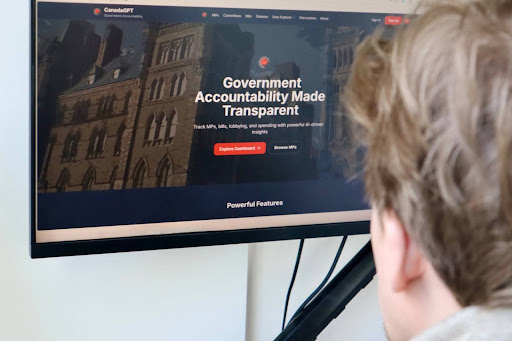
New AI tool aims to make federal politics easier to track
“CanadaGPT” is designed to simplify complex government activity by giving users a clear understanding of what’s happening in Ottawa.
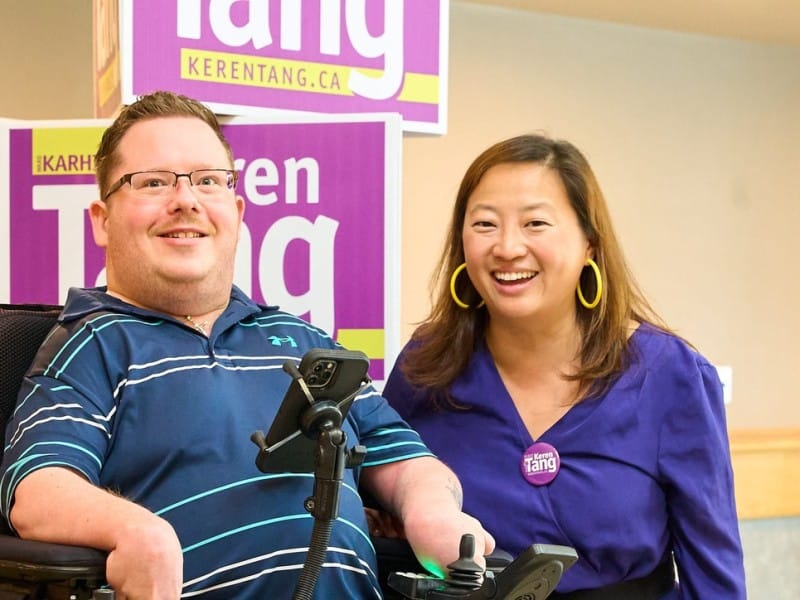
Alberta municipalities push province to pause new disability assistance program; advocates warn of deeper poverty
The Alberta Disability Assistance Program (ADAP) is set to launch in July 2026, and will place people with disabilities in two groups: those who are and are not able to work. The cities of Edmonton and Lethbridge, among other municipalities, have tabled motions urging the provincial government to reconsider this program.