Simple, affordable housing: The cure to Indigenous homelessness
Why It Matters
On Sept. 30, Truth and Reconciliation Day, we honour Indigenous voices that have historically been silenced in Canada. Future of Good has been examining the solutions surrounding food and housing insecurity, which, while it affects all ages, races and genders, is most likely to affect Indigenous males. Steve Teekens, Executive Director at Na-Me-Res, explains why and the simple, if not easy, solution to reducing homelessness among this population.
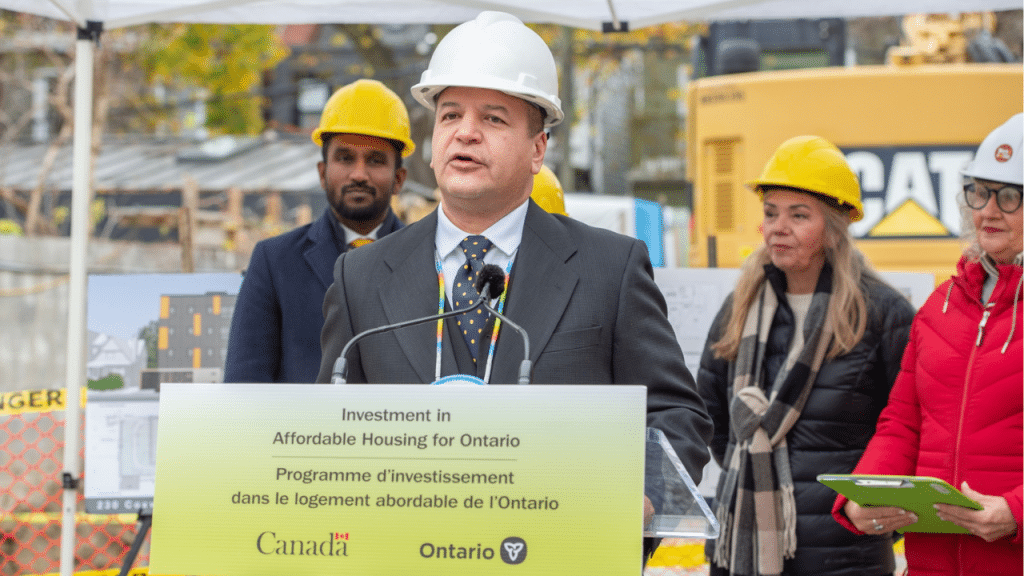
By Steve Teekens
The only way to end the homelessness crisis, which disproportionately affects Indigenous men, is to create more affordable housing.
Na-Me-Res is a for-Indigenous, by-Indigenous non-profit with a 41-year history of providing support services to Indigenous men experiencing homelessness in Toronto with a long-term and culturally-based approach.
The fact is that there are many systemic barriers, such as exclusion from mainstream housing programs and a lack of culturally safe and Indigenous-led spaces, that continue to leave Indigenous homeless populations underserved.
What started out as a shelter organization has evolved into Na-Me-Res also becoming creators and landlords of affordable housing, in our efforts to help get Indigenous men in Toronto off the streets for good.
What is essential to what we do, and what actually works, is providing a continuum of care to end the cycle of homelessness. Shelter services alone are not enough.
This is part of our mission to help Indigenous men find their way back to pride and self-determination, to find their Mino Bimaadiziwin.
Na-Me-Res currently operates two shelters (and our beds are full every night), has a dedicated Streets to Homes Street Outreach team, provides healing, life skill, cultural, language and job supports and programs, and runs five deeply affordable housing developments in the city – specifically designed for our clients, Indigenous men who are or have experienced homelessness.
We recognized back in 2011 that the housing market was becoming increasingly unaffordable. We saw that the rental market would follow suit and become less affordable for people, especially those with lower incomes, pushing more people out onto the streets.
As a proactive response, Na-Me-Res set out to secure resources and work with all levels of government to enable it to enter the affordable housing market to directly serve Indigenous men in Toronto. We started by buying two homes and retrofitting each unit to ensure our clients have a safe and dignified space they can call home.
We quickly learned that having the ability to offer “deeply affordable housing” was much more than just four walls; it offered a sense of security, alleviated stress, and supported mental health.
Today, Na-Me-Res offers 79 affordable housing units (nine of which are accessible units) across our five properties in Toronto. And we have more properties in the works.
But this is still just the tip of the iceberg.
In Toronto, Indigenous communities continue to be overrepresented among the homeless population.
- Indigenous peoples are disproportionately unhoused across Ontario, representing 10.6 per cent of the population known to be experiencing chronic homelessness across Ontario, while Indigenous people only make up 2.9 per cent of Ontario’s overall population.
- Indigenous outdoor homeless population was 31 per cent compared to 23 per cent individuals in 2021, according to Toronto’s 2024 Street Needs Assessment. Broken down by gender, Indigenous men experiencing homelessness was 60%.
- Indigenous people experiencing homelessness continue to report higher rates of health challenges compared to non-Indigenous homeless. The three most reported health challenges amongst Indigenous respondents include difficulties with mental health, substance use, and illness or medical condition, according to Toronto’s 2024 Street Needs Assessment.
As inflation increases, we grow more concerned about affordability for the people we serve. As things continue to become increasingly unaffordable, we know an increase in homelessness will follow.
What is needed to address the unaffordable housing crisis:
- Dignified and deeply affordable housing units for the Indigenous community
- Higher-level address of inflation, specifically to housing and food costs
- Creating opportunities for Indigenous organizations (like Na-Me-Res) to access funding to offer additional deeply affordable housing and supports
- Access to support that directly impacts the communities being impacted
- Ensuring access to traditional Indigenous-led cultural supports and medicines
- Stop making people choose between food and shelter
Long ago, we recognized the best way to end homelessness is through housing. It is important to acknowledge that supports don’t end at housing. When you are supporting men with decades of intergenerational trauma and complex health issues, it is necessary to continue providing programs and support services that will indirectly aid the men in staying housed.
Many of our former clients have found community, healing and purpose, and we’ve had numerous come work with us at Na-Me-Res to help others in need.
It is a long road, but it starts with genuinely caring for others, giving them the dignity they deserve, and investing in the right programs and infrastructure to get back on their feet.
Steve Teekens is an Ojibway, member of Nipissing First Nation and a passionate advocate for Indigenous rights. Teekens has been working with the marginalized and homeless Indigenous sector in Toronto since 1995, and in 2011, he became the Executive Director at Na-Me-Res. Teekens is also a Cultural Advisor for the Public Administration and Governance Program at First Nations Technical Institute in partnership with TMU and is on the board of the Toronto Aboriginal Support Services Council (TASSC).
Your job. Your mission. Your news.
With your support, the sector you're building gets the journalism it deserves, and you get a tax receipt.