Six-figure costs and stalled projects: BC’s non-profit housing sector expresses ‘sorrow’ at rescinded provincial funding
British Columbia’s non-profit housing sector is reeling after spending months waiting for an outcome to their applications to the provincial government’s Community Housing Fund. With many now sitting on shovel-ready projects, they’re looking to federal sources, like Build Canada Homes, to complete their affordable housing developments.
Why It Matters
The latest intake of the BC Community Housing Fund would have poured more than $775 million into the province’s non-market housing sector. Despite homelessness rising in 60 per cent of BC communities surveyed, advocates also pointed to a shift in government funding that prioritizes “near-market” affordability over those that have a deep, chronic need for housing.
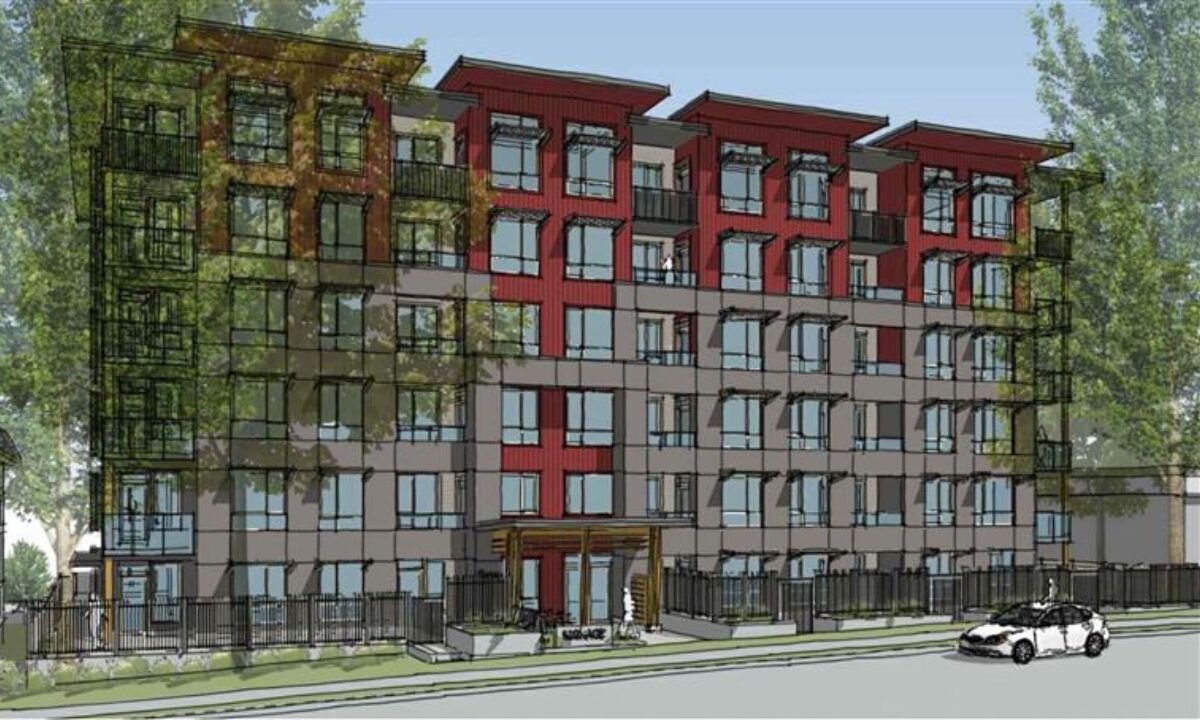
The Kamloops branch of the Canadian Mental Health Association (CMHA) submitted two proposals through the Community Housing Fund’s May 2025 request for proposals. One was for a site where work had already begun, and the other would have been an entirely new building, bringing more than 200 affordable housing units to Kamloops.
“Myself and my teams worked hard to put in applications, do all the due diligence, [and have] several meetings with municipal partners, land owners and community and neighbourhood groups to talk about the impact of housing,” said Executive Director Alfred Achoba.
The CMHA Kamloops team had to show that their project was shovel-ready – in other words, that construction could begin within 12 months – and had also spent hours working with the local fire rescue team, planning and zoning teams, and the Mayor and City Council.
The application was submitted in July.
“What we were not prepared for,” Achoba said, “was the lack of communication.”
He recalled one communication from the provincial government in December that said they would hear back in the new year. Then, in February’s provincial budget, the Community Housing Fund was nowhere to be seen.
Achoba expects that one project alone has set his organization back six figures in costs that cannot be recouped.
It’s an outcome he describes as “gut-wrenching.”
“The province released this mandate. They set these targets. We worked as partners through trust to deliver on those targets,” he said.
“We put in all of the investment. Whether or not there was a return on that investment, initially, we were not worried. We wanted to meet our mandate, which is similar to the Ministry [of Housing and Municipal Affairs]’s mandate, of bringing affordable housing to communities.”
The Community Housing Fund (CHF), a $3.3 billion funding pot to create more than 20,000 new affordable housing units, was created by the Government of British Columbia in 2018.
The May 2025 call for proposals was the fourth round the Province had requested, which would have seen an additional $775 million in funding released to the province’s affordable housing sector.
The funding covers affordable housing including market-rate rentals, rent-geared-to-income housing, and deeply subsidized housing.
The Province has a separate fund for supportive housing projects.
Until two years ago, it also had a separate fund for Indigenous housing, which would include support for complex care, gender-based violence, and bridging the gap between Indigenous children leaving care and entering homelessness, said Margaret Pfoh, chief executive officer at the Aboriginal Housing Management Association (AHMA).
The funding was specifically “available to non-profit housing organizations, housing co-operatives, municipalities, First Nations and Indigenous-led housing societies.” However, the “well of silence” that organizations fell into after applying also led to additional costs for extending leases on land and other approvals, Pfoh said.
Several of the housing providers that applied under the latest round of the CHF are now looking to federal sources of funding, like the newly launched Build Canada Homes fund, which both private and non-profit housing providers can apply to.
Non-profits report six- and seven-figure sunk costs
Since the latest CHF call sought shovel-ready projects, non-profit applicants would have had to complete several prerequisite steps to even be eligible for the funding, said Jill Atkey, CEO at the BC Non-Profit Housing Association (BCNPHA).
That included securing a site, if not developing on their own land, or working with municipalities to secure land. They also had to get a building designed with architects, and complete all the necessary environmental and flood risk assessments, Atkey said.
She has seen examples of non-profits spending between $200,000 and $500,000 on these costs, and some far exceeding $500,000.
Thom Armstrong, chief executive officer of the Co-operative Housing Federation of BC, told Future of Good that his organization had spent up to $1 million on a 64-unit housing co-op development in Vancouver, and an additional $1 million would have been contributed by their private-sector development partner.
Atkey estimated that the provincial government received a couple of hundred proposals to its May request.
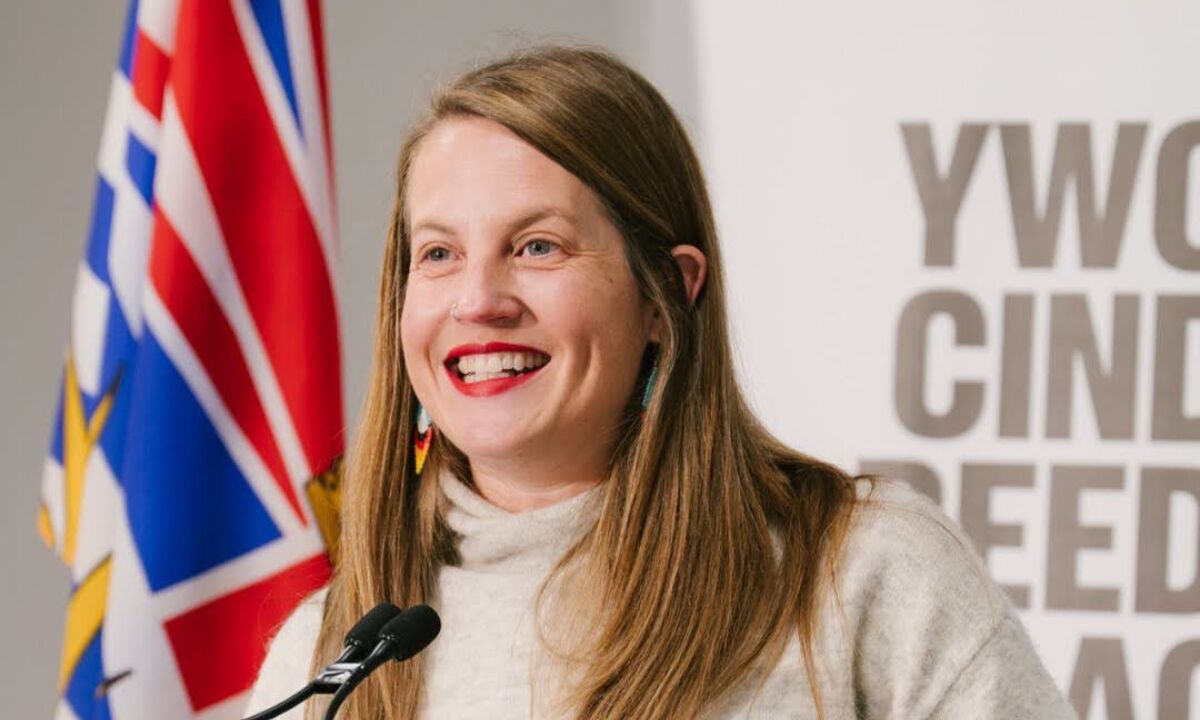
“When you factor in all of those costs, we’re really talking about tens of millions of dollars spent by the non-profit sector in order to even put forward their best proposal,” she said.
Pre-development funding is available in some cases to cover costs that are incurred before construction begins. Sources cited various funds, such as the Canada Mortgage and Housing Corporation (CMHC), the Federation of Canadian Municipalities, and loans from the Vancity Community Foundation.
However, Atkey has also heard examples of non-profits being told that applying for pre-development funding can slow down a housing proposal, and that organizations have been encouraged not to apply for pre-development funding.
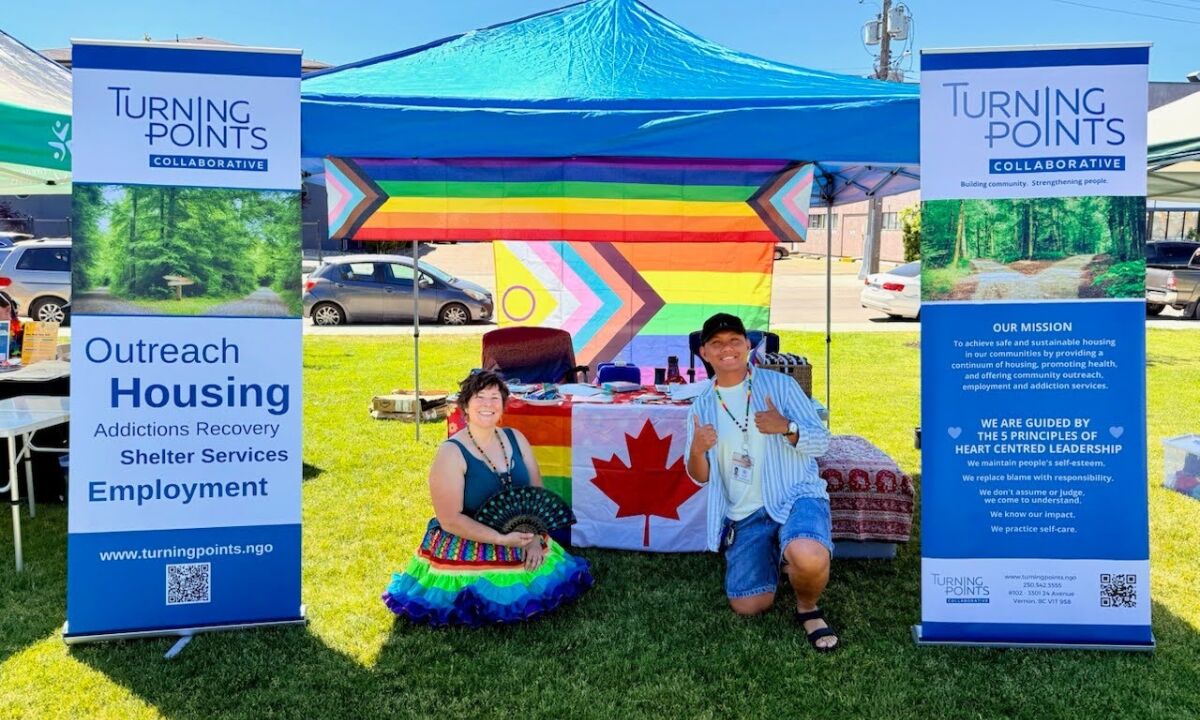
Some applicants also have ongoing housing projects that were previously funded under the CHF. The Turning Points Collaborative Society has some developments in progress, and three that may not go ahead.
Each of the three has, on average, 60 to 70 affordable housing units for people in Kelowna and West Kelowna, said CEO Randene Wejr.
While the Turning Points Collaborative Society has been able to access some pre-development funding to cover the cost of consultancy, testing, and environmental works, Wejr pointed to the time lost in preparing each proposal.
A short timeline, she says, is between 12 and 16 months. One of the organization’s projects has taken five years to reach a stage where it is construction-ready.
Following the tabling of the provincial budget in February, which did not mention the CHF pause, many of the applicants Future of Good spoke with had not received any communication from the province.
Associations like the BCNPHA and AHMA, on the other hand, had the opportunity to express their concerns to the Housing Minister Christine Boyle.
Armstrong shared an email that the Co-operative Housing Federation of BC received on budget day from BC Housing, which stated that “the pace of planned housing investments will need to slow to remain aligned with available funding. As a result, the 2025 CHF RFP [request for proposals] will not proceed, and applications submitted under this call will not be advanced.”
In the email, BC Housing also encouraged applicants to explore alternative sources of funding where possible.
Pfoh read the desire to ‘repace’ affordable housing development as a deferral on the part of the provincial government.
“In our culture and in our practice, the last thing you ever do is deliver bad news through a letter,” she said.
“You want to be having physical, direct conversations with the community to let them know that none of us wanted this, none of us planned this, it’s horrible and we get it.”
Future of Good reached out to the Ministry of Housing and Municipal Affairs and received a statement from Minister Boyle confirming the rescission of the 2025 CHF call for proposals.
“I want to be clear we are not cancelling the CHF, and thousands of homes continue to be built under the program across the province,” wrote Minister Boyle. “We remain committed to delivering the full CHF target, but over a longer time period.”
With many applicants now looking to the federal Build Canada Homes fund, Wejr said the federal government is targeting large-scale housing developments, which may not be possible in smaller communities like the Okanagan, where Turning Points Collaborative Society is based.
Purpose Driven Development provides development management and financing services to non-profits, faith-based groups and Indigenous nations looking to build on or redevelop land that they own. As part of their services, they support organizations with backup funding and alternative sources should one pot fall through.
There are still opportunities for non-profits that applied to the CHF to explore funding opportunities through private capital fundraising and social equity investments, said Annelise van der Veen, manager of strategic projects and operations.
“It’s really looking at how you can get creative and stack different lenders and funders to pull together a project so that we don’t have a significant stall in affordable housing delivery by the non-market housing community,” she said.
Housing providers express ‘sorrow’ for vulnerable communities
“There is always the opportunity for some projects to go ahead – and we have seen this – without any funding from senior levels of government,” Atkey said.
“What you have at the end of the day is effectively a market project, so we won’t see the levels of affordability we would want to see and that the mission drives us towards.”
Despite having a different affordability profile, Atkey emphasizes that these projects are still important as they are community-held assets. However, “anyone seeking truly affordable housing in the market right now would not have their needs met by non-government funded projects.”
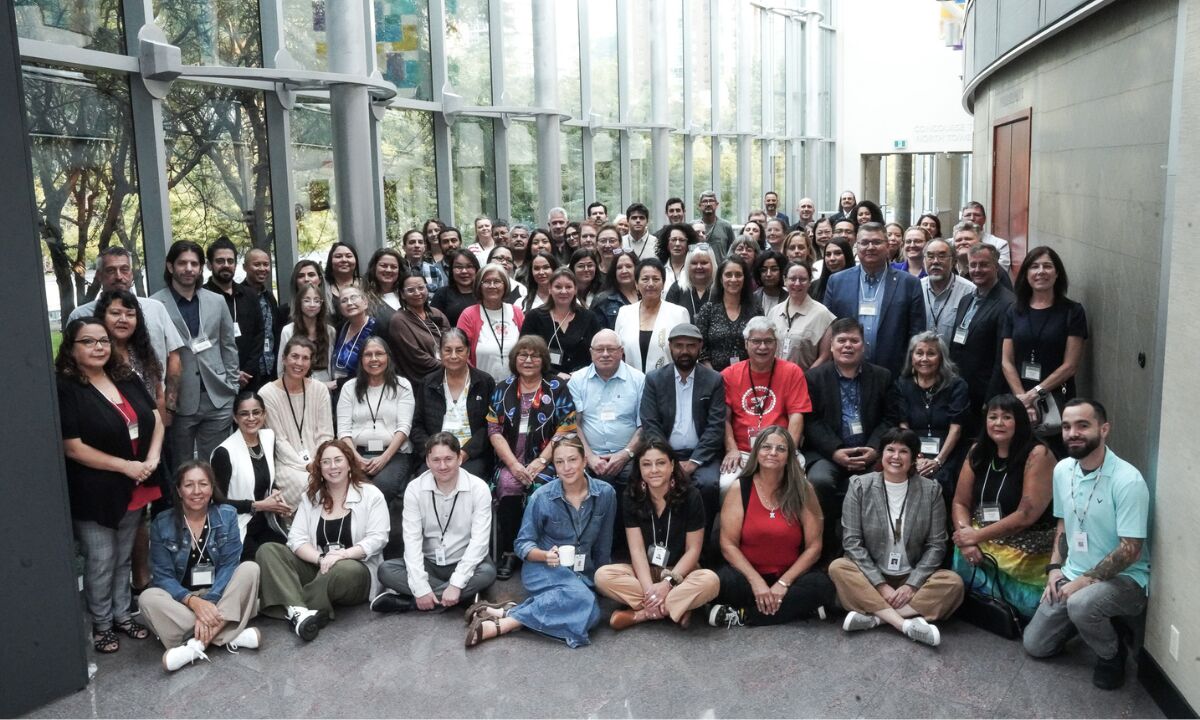
Atkey received dozens of phone calls following the budget, with many non-profits expressing “sorrow” about projects that communities and municipalities had been excited about.
Many applicants also said that the rescinding of this funding has made them more cautious about applying for future provincial government funding, especially if they are incurring costs.
“I am not ready to go into another six-figure loss to apply for funding that is uncertain,” Achoba said.
“I think that is a waste of taxpayers’ money. I think that it would breach the trust that has been built [and] it would breach the respect we have in communities to be able to work with those who need housing.”
“The most dramatic impact may be on future confidence in the housing procurement system,” Armstrong added.
“Why would a private or non-market housing developer risk the same outcome by responding to future proposal calls, if there are any?”
Wejr stressed that while there is a fiscal responsibility question, there are also significant, long-term impacts on those urgently seeking affordable housing. At the Turning Points Collaborative Society, the team is seeing more families and seniors in chronic need of shelter.
According to Pfoh, “all levels of government are navigating their [housing] structures and frameworks further and further away from understanding deep affordability and looking more at near-market affordability.”
That, she said, will widen the gap for the most vulnerable and precariously housed, including the Indigenous, young people, and seniors.
Your job. Your mission. Your news.
With your support, the sector you're building gets the journalism it deserves, and you get a tax receipt.

Author

Related Articles
Deadline looms for non-profits, charities to report ‘foreign principals’ to Ottawa
Charities, non-profits and institutions must now register any arrangements with foreign principals working to effect government behaviour

Non-profit housing org pilots $20 million loan guarantee pool
Specifically developed for Nesting Ground’s portfolio of affordable housing properties, the non-profit is looking to grow the loan guarantee pool to $50 million in its second round.
Partnered Partnered content A new Oskâpêwis: Indigenous-led philanthropy takes shape in Saskatchewan
Ahead of its public launch this fall, the Saskatchewan Indigenous Community Foundation builds on a growing movement of Indigenous-led philanthropy in the province, showing what’s possible when philanthropy invests in the relationships and infrastructure needed to change how resources reach communities.
