The impact of a well-lived ending
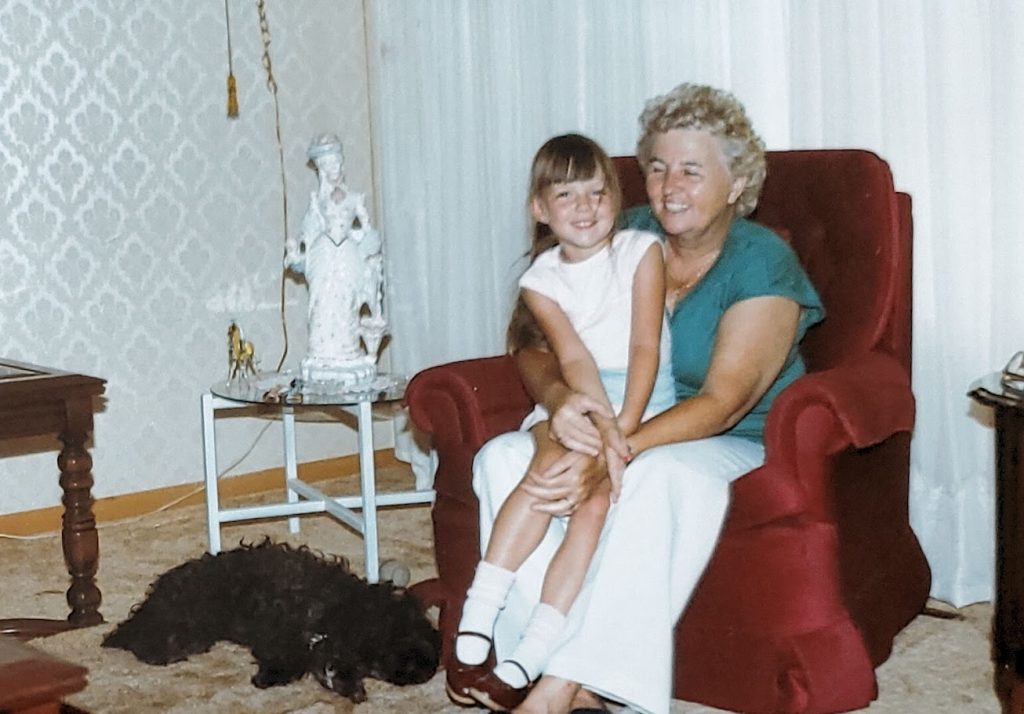
A few weeks ago, my grandmother passed away at 95.
For the past several years, she had been living in care as her memories faded. Eventually, she lost nearly everything. Her steadfast personality, along with her curly hair, slowly flattened. Her friends, her family, her life of memories were forgotten – except her love of dogs. That, she remembered, always.
My dad’s side of the family happened to be gathered at my Aunt and Uncle’s cottage that weekend, a rare reunion, as our familial matriarch obviously wasn’t in any condition to insist we all get together on Thanksgiving or Easter. The rest of us, we noted, had failed to do the same.
I like to think Grandma Joy waited for all of us to be there before she left. I can imagine her self-satisfied little, knowing smile as we all laughed and cried together.
I wasn’t involved in planning her funeral, but I know she had planned most of it beforehand. She was buried next to my grandfather and her sister as we gathered to say goodbye.
It was a celebration of a life well-lived. A life of community service, generosity and love.
It was a good end.
We ran a story recently about good endings. A group called Ever / Was launched to help social good organizations navigate their endings.
The argument is that there is a lot of shame or stigma around an organization’s closure, often framed by the community or those who ran it as a failure of some sort.
Culturally, we seem to think that the end is always tragic; that it means you didn’t accomplish anything.
But those in the social good sector know impacts and accomplishments ripple long after they end.
The impact my grandmother had on the world wasn’t immense. But the impact she had on mine was.
Your job. Your mission. Your news.
With your support, the sector you're building gets the journalism it deserves, and you get a tax receipt.

Author

Related Articles
Dolly Parton’s greatest, most remarkable gift
Clever, kind and witty, she used her fame and her fortune to bless everyone else.