Want to make your workplace wellbeing programs better? Customize them, say experts
The forefront of new wellness coverage includes Indigenous and Chinese healing practices, frequent quick check-ins, and, in one case, even a punching bag.
Why It Matters
A one-size-fits-all approach to workplace wellbeing is proving ineffective. These groups say the solution—exploring different options for everyone—can be done.
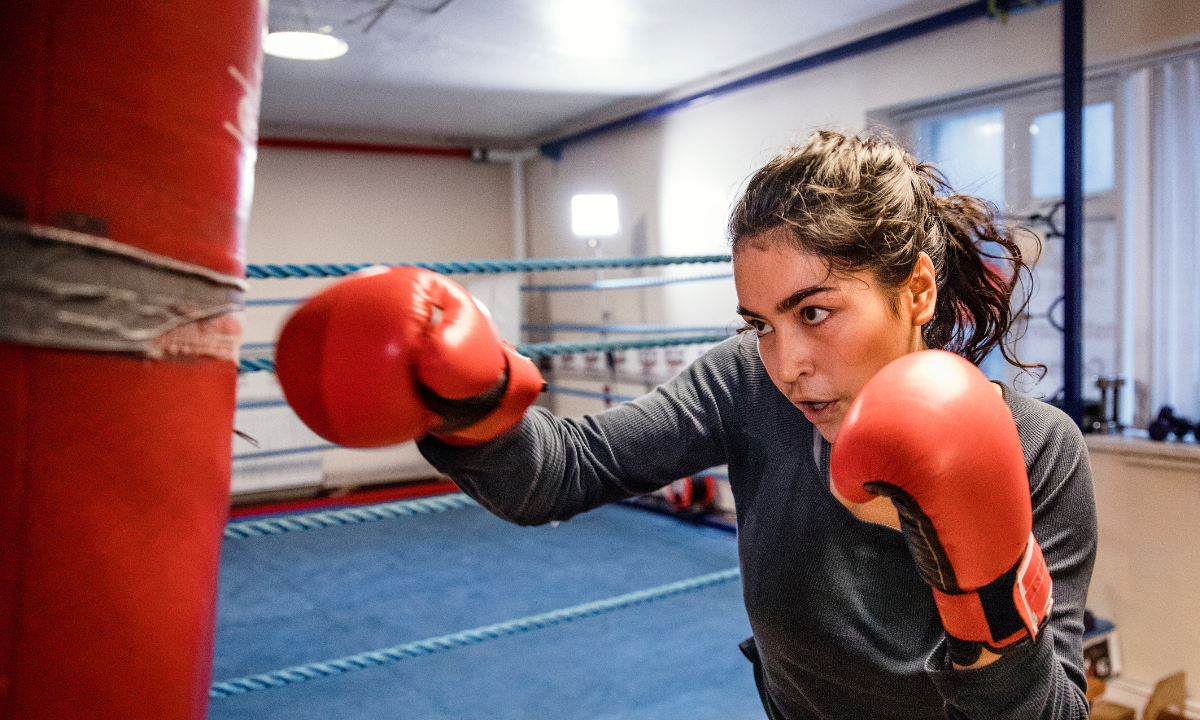
Canadian non-profits say they’re having success with less rigid performance reviews and more frequent check-ins. (Canva/Supplied)
Experts say customizing workplace wellbeing programming to meet the needs of a diverse workforce is starting to, well, work.
“In our workspaces, we have a punching bag where people can go when they just need to punch something,” said Omar Yaqub, servant of servants at Islamic Family, an Edmonton-based social services agency providing spiritually and culturally sensitive programming.
“We also have a space for chat. We have space for art and space for prayer, and those are ways that people can find different modalities for healing within their day-to-day work.”
Speaking during a panel discussion on deepening workplace wellbeing practices during the first annual Changemaker Wellbeing Summit, a virtual event hosted by Future of Good, Yaqub said there needs to be a shift from emphasizing self-care to emphasizing collective care in the workplace.
“Self-care is sometimes used as a way of saying, ‘Oh, that’s your responsibility,’ like telling someone with a broken arm to mend it themselves,” he said.
“Collective care is, how do we design workplaces to be supportive of people, to be empathic, to think about different modalities for people to find care while they’re doing work?”
Olga Morawczynski, a holistic wellbeing advocate and founder of Heal-3, told participants the shift to remote and hybrid work models has created fresh challenges for employers trying to improve employee wellbeing. She said traditional employee benefits fall short when it comes to mental health.
Her company plans to launch Canada’s first holistic benefit later this year, covering alternative services, such as Chinese medicine and Indigenous healers.
“We all have different ways of not only taking care of ourselves but preventing ourselves from getting sick,” Morawczynski said.
“I cold-plunge three times a week, see an energy healer, and do lots and lots of different things. And I wanted to know why that couldn’t be covered under a traditional benefits plan.”
Many workers are getting less out of employee benefits plans they did a few years ago, Yaqub said.
Amanda Richardson, head of business development and client success at LVL Wellbeing, a digital wellness platform, said non-profits and other organizations can’t expect wellbeing to be a linear journey.
“You’re going to have to succeed and fail at things in the process of building that strategy,” she told summit attendees.
But that process is often hindered by leadership that sees wellbeing as just another box that needs ticking, Richardson added.
Picking up on that theme, Bruce MacDonald, CEO of Imagine Canada, said wellbeing at an organizational level “is about intentionality to evolve and change. It’s about setting the practices and systems in place for that evolution and change.”
Accountability and trust are essential components of that, he said. So is continual education.
“For me, education has been profound,” MacDonald said, speaking personally.
“Two years ago, we started an anti-racism, anti-oppression book club. I’ve never even been part of a book club anywhere, let alone take on topics like this.
“It has been amazing in terms of understanding the place that I hold as a CEO and the place that I hold as a privileged, older white male in Canadian society.”
All participants also spoke to the importance of re-evaluating staff evaluation processes to include, if not centre, wellbeing. Daily digital check-ins have worked well for Richardson in creating a wellbeing community.
“How can you make decisions about strategy without seeing the data?” she asked.
MacDonald said Imagine Canada has moved away from formal performance appraisals to regular check-ins, which have provided valuable insights, including that some wellbeing initiatives don’t work for all employees.
“I think the importance of having these ways of knowing, whether they’re formal through surveys or informal, through conversations is critically important,” he said.
“Because we discovered there was a group that was really struggling.”
Yaqub said data is critical, but his organization has also moved away from formal, quarterly, or annual performance reviews. It now uses 15Five, a digital HR platform with more frequent check-ins.
“It gives you a way of seeing, hey, what’s the pulse of the organization right now? How are people feeling?” he said.
“Those simple data points matter.”
Your job. Your mission. Your news.
With your support, the sector you're building gets the journalism it deserves, and you get a tax receipt.

Related Articles
Food bank vending machine launches in 2 Vancouver SkyTrain stations
A new food preservation system is helping the Greater Vancouver Food Bank turn excess fruit into new funding.

Partnered Partnered content How construction contracts became the blueprint for social change in Manitoba
Manitoba is a leader in social procurement, with decades of partnerships among government, businesses and social enterprises that have shaped a model other communities can learn from.

Fires and floods: How Canada’s non-profits are responding to summer disasters
Several organizations have set up ways Canadians can help as more than 900 wildfires burn across the country
