The Youth and Philanthropy Initiative is thriving during the COVID-19 pandemic — here’s how
Unlike many youth-centred charitable programs, YPI doesn’t ask students to fundraise
Why It Matters
YPI offers students the chance to not only learn about issues within their community, but see the impact that philanthropy has on local charities. Many school-based programs are currently shut down to the pandemic at a time when charities are needed more than ever, but YPI’s model is quite resilient.
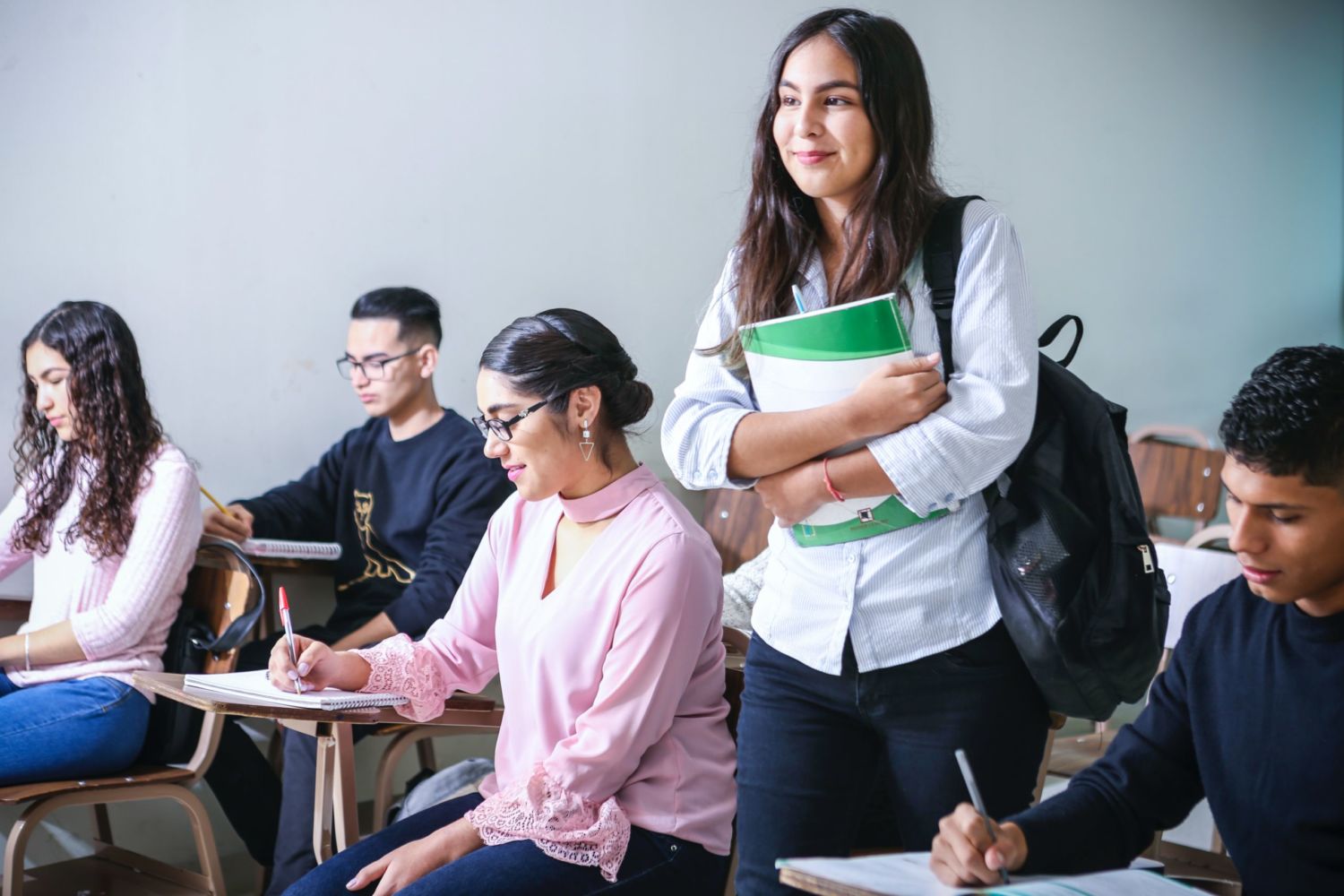
COVID-19 has upended the school year for hundreds of students at Aldershot School, in the Ontario city of Burlington.
Between two waves of COVID-19 and their accompanying public health restrictions (not to mention school closures), the pandemic has put an end to the after-school programming of many social impact organizations. However, the Youth and Philanthropy Initiative (YPI) is still going strong at Aldershot School. In fact, Holly McLellan, executive director of YPI, says about 10 new schools have signed up for their program since the start of 2020. “What we are hearing from a lot of our schools is that we’re the only outside program that they’ve been able to run,” says McLellan.
YPI started in 2002 as a way to get youth thinking about social issues and be inspired to take action on them. It was founded by Julie Toskan, the younger sister of MAC Cosmetics co-founder Frank Toskan. “When they decided to sell MAC, this was the mechanism they came up with to give away all of their philanthropic money and not make the decisions about where that money would go,” McLellan explains. “They wanted to make an immediate impact that had a long-term systemic change by inviting young people into the process.”
Every year, YPI offers up a $5,000 grant per school (for the 2020/21 school year, YPI is working with 100 schools). But instead of having a board of directors decide where it goes, the initiative turns to 20,000 high school students across Canada. Students working in small groups choose a societal issue and research it. They then pick a local charity doing work on that issue and make a case for why it should receive that $5,000 grant in a 10-minute presentation. Aldershot School has 125 kids enrolled in YPI, says Kerry Sagar, a teacher at the school.
The causes these students champion can vary widely. This past spring, many students suggested the $5,000 go to services offering COVID-19-specific support as well as organizations fighting against racial injustice. More recently, students are looking into supporting initiatives that tackle domestic violence, rates of which are skyrocketing thanks to pandemic-related public health restrictions. Another was hunger. “We really saw that food security, especially during COVID, was a big issue in our area,” Sagar says.
Many youth-centred charitable organizations ask students to fundraise on behalf of a particular cause. YPI doesn’t do that. McLellan says their focus is really on ensuring kids are actually aware of issues in their community, rather than preparing them to become professional fundraisers. “We don’t want them to get good at saying things that open people’s wallets, but rather, really open people’s minds and their hearts about what is actually happening in their communities,” McLellan says. In schools like Aldershot School, where Halton Food for Thought, a breakfast and lunch program, feeds roughly one in six students every morning, asking kids to fundraise for charity can be tough. “They have lived experience of the importance of charities,” Sagar says.
“We don’t want them to get good at saying things that open people’s wallets, but rather, really open people’s minds and their hearts about what is actually happening in their communities.“
At first, McLellan says, YPI students are focused on the money. “They think it’s quite cool. It’s quite motivating,” she says. “And then when they actually interview and talk to the people working at the charities, and find out more about the issues and the work, then they’re really, really motivated by the advocacy piece.” Winning the award on behalf of a charity they’ve come to love is something they become quite passionate about, even though the money will not benefit them directly. At Aldershot School, Sagar says two students who participated in the YPI program are now volunteering at the charities they researched.
Focusing on research and advocacy rather than fundraising has other benefits. At a time when Ontario schools are mostly closed due to widespread COVID-19 outbreaks, the YPI program can easily carry on from home. Kids can’t necessarily show up to the charity they intend to support and interview staff, but they are able to still do research, conduct video interviews, and showcase their work to their class all while remaining physically distanced from their peers.
Sagar says they recently had five groups present their cases to a virtual audience. “We had people from across Canada and the U.K. come and watch the students,” she says. “To have a live virtual audience upped the stakes for the students. It made them understand that this is no joke. This is a real thing. You have a real opportunity to be a change agent.”
Your job. Your mission. Your news.
With your support, the sector you're building gets the journalism it deserves, and you get a tax receipt.

Related Articles

Controversial Palestine exhibit opens at Canadian Museum for Human Rights
The exhibit, called Palestine Uprooted: Nakba Past and Present, drew criticism even before it opened at the national museum in Winnipeg.
Vancouver tests new app to map accessibility in parks and trails
The pilot program allows app users to identify barriers in city parks to help make outdoor spaces more accessible and inclusive for everyone.
Partnered Partnered content More time, more power: Sahelian women are ‘at the heart of the action’
The RÉELs project seeks to promote women’s empowerment by giving them the tools to succeed
