5 International Development Terms Explained
What #GoForTheGoals actually means
Why It Matters
The world of international development is full of jargon that is difficult for anyone not directly working in this field to grasp. This International Development Week, we strip down five definitions so you can understand why they matter.
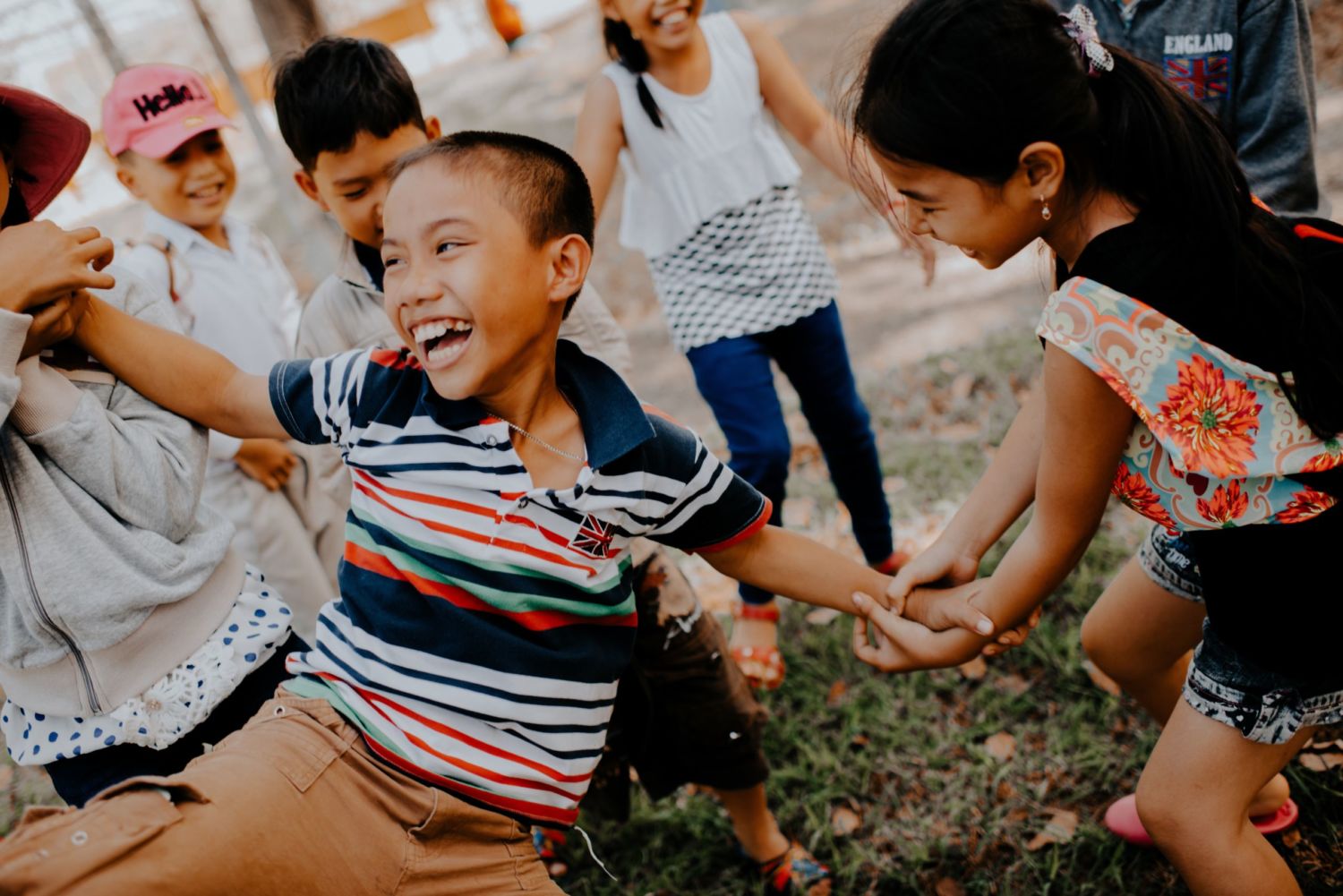
This week marks the 30th International Development Week celebrated globally.
International development is a big term with many aspects, meanings, and baggage. The field itself includes areas such as food and water security, governance, healthcare, education, climate, and disaster assistance. International development’s primary goal is to improve the quality of life for people around the world.
International development shapes everyday life all over the world. Our planet, our people — well, it all needs work. Solutions are not easy, they’re not black and white, and they’re complex. We need to understand the world to make it better. And, here’s the important part: realize that as Canadians, sometimes we have to ask what we can bring value to, and when to take a back seat.
As you scroll through your social media feeds and hear about the different ways that Canadians are helping to advance the United Nations 2030 Agenda for Sustainable Development this week, you’ll be hit with a lot of jargon. So, what the heck does the 2030 Agenda actually mean? Or ODA? Or intersectionality?
Let’s strip down these terms, explain what they mean — and why it matters. When you tweet, “Let’s #GoForTheGoals!” – you have a better sense of what you’re going for.
1. FIAP
What it means: FIAP, or Feminist International Assistance Policy, is all about the Government of Canada investing in women and girls. Sure, there’s the part about empowering them but going beyond this buzzword, it’s more so about equipping women and girls with the resources they need to tackle gender inequality and reduce poverty.
Why it matters: Women and girls are on the frontlines of change within their own communities. They know what issues they face in their own contexts. They have the solutions. They just need the resources. That’s where FIAP comes in. A feminist approach that truly equips women and girls on the ground. Go deeper.
2. ODA
What it means: Say you’re donating to your favourite charity. You are the donor, the charity of your choice is the donee. Now imagine that on a global scale. ODA, or Official Development Assistance, is when countries that have a relatively good economy (Canada, USA, the Nordic countries, etc.) give aid (aka transfer money) to countries in the global south to help with things like social services (health, education), economic growth (infrastructure, environment), and political stability (human rights, good governance).
Why it matters: The international target is 0.7 percent of a country’s Gross National Income to go towards ODA. What some Canadians don’t know is that Canada actually spearheaded this target 50 years ago. (Yet our ODA continues to surprisingly decline). If all countries actually reached this target — imagine what it would do to help countries lift themselves out of poverty. Go deeper.
3. Intersectionality
What it means: People have multiple identities that lead to their life outcomes. Someone’s age, race, gender, language, ability, immigration status, class, and sexuality are all examples of identities that interact, leading to different outcomes and experiences.
Why it matters: If we want to develop policies or projects that actually have a lasting impact, intersectionality matters. A lot. Imagine you’re developing a policy that helps fight the wage gap between women and men. Cool. But the thing is, White women, Latina women, and Black women all experience the wage gap differently. (Hint: Latina women have a far larger wage gap than White women, and Black women have an even larger one.) And there are a number of reasons why. Ignoring intersectionality is like trying to understand a book and only reading the cover page and the last page. You’re not getting the whole story. Go deeper.
4. Agenda 2030
What it means: Essentially, Agenda 2030 is a to-do list for the entire world. There’s 17 goals to achieve (you’ll most likely have heard about the Sustainable Development Goals or SDGs), and within each of those 17, there are 169 targets—and the world needs to check off all of them by the end of this decade. What’s the goal of these goals? The 5 P’s: People, Planet, Prosperity, Peace, and Partnership. End poverty, human rights for all, save the planet.
Why it matters: The scale and ambition of Agenda 2030 is unparalleled to anything we’ve done before—it extends to all countries. It gives people measurable goals to work on. You’ll hear people say they’re working on “SDG1” or “SDG17” sometimes—everyone is framing their work collectively towards achieving these goals. 10 years from now, we’ll be aiming for news headlines to say, “SDGs achieved! Planet saved!” Go deeper.
5. Green Bonds
What it means: It’s no secret anymore: climate is in a state of emergency. Greta Thunberg and 1,000,000 Canadians in 245 communities across Canada stood together to demand more urgent action by governments and international communities last year. Over a trillion dollars are needed to tackle climate change. Enter green bonds. Investors can buy these bonds that can go towards new or existing projects for positive environmental efforts. That could mean investing in things like renewable energy or clean transport.
Why it matters: $580 billion of green bonds were sold through 2018. With growing awareness of climate change, this will continue to grow this decade. There’s still a lot to be ironed out (like the issue of “greenwashing” — aka making it seem like something is better for the environment than it actually is), but we should keep an eye on green bonds because this is one trend that will continue to shape the 2020s. Go deeper.
Your job. Your mission. Your news.
With your support, the sector you're building gets the journalism it deserves, and you get a tax receipt.

Related Articles
Trailblazing Iraqi-Canadian activist Yanar Mohammed killed outside Baghdad home
The feminist leader’s death is a devastating loss for women’s rights movements in Iraq and around the world, say advocates.
Humanitarian aid groups granted interim injunction to continue working in Gaza
Aid organizations from around the world came together to launch a formal petition to the Israeli High Court earlier this week.
