Indigenous people bear brunt of climate change disasters: StatCan
New data from Statistics Canada shows that, despite only representing five per cent of the population, just under half of wildfire evacuations in 2023 were from communities where more than half the population was Indigenous.
Why It Matters
Indigenous communities are being displaced at far higher rates than the rest of the population, compounding long‑standing harms linked to colonial policies and land loss. As climate‑driven wildfires grow in frequency and severity, these inequities are becoming more pronounced and urgent.
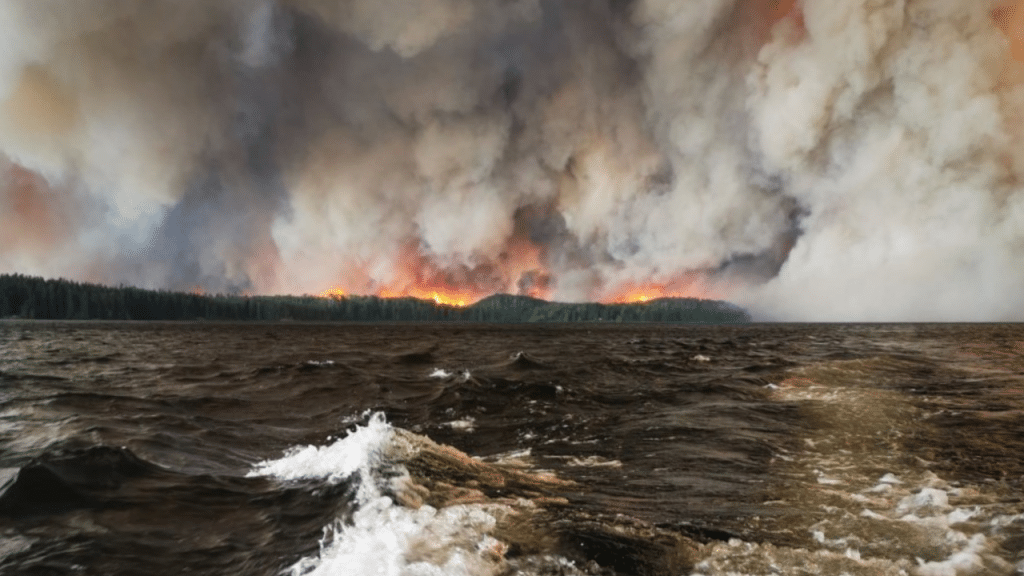
New data from Statistics Canada shows that Indigenous populations suffer the most in the face of extreme climate-related weather.
The report, called Wildfire experiences among Indigenous Peoples, brings together data from three surveys examining how emergency preparedness and extreme weather affect Indigenous communities.
The results show a plethora of short-term impacts of extreme weather, including fire and floods. on Indigenous communities, including evacuation and electricity loss, to the inability to use public roads.
Being unable to hunt or gather food, mental health challenges, and the loss of contact with friends and family were some of the noted long-term impacts.
Of those who said that a wildfire had directly impacted their lives, 71 per cent said it had happened in the last five years, and 58 per cent said they were forced to leave their homes at some point in their life due to a nearby forest fire.
“Due to Canada’s colonial history with Indigenous Peoples, such as the residential school system, displacement can intensify social, mental well-being and health challenges for Indigenous communities,” the authors wrote.
“These impacts may become more prevalent given the projected increase in the frequency and duration of wildfires in Canada associated with climate change.”
Wildfire smoke, driven by fine particulate matter, poses severe health risks, the authors added.
Indigenous populations experience higher baseline asthma rates (15-17 per cent) compared to non-Indigenous populations (9 per cent).
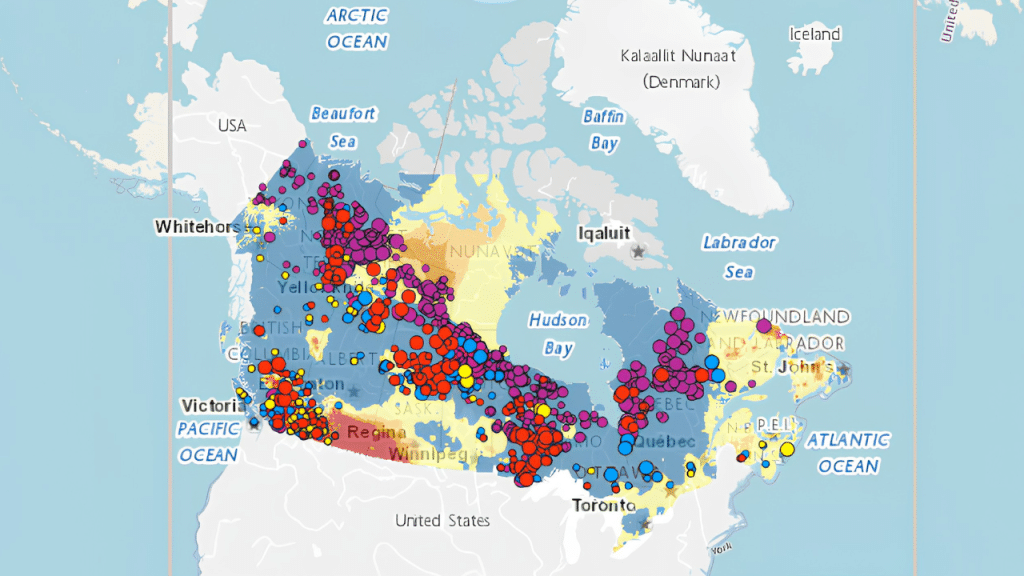
As of Tuesday, there were 1,048 active wildfires burning across the country, according to Natural Resources Canada, driven by extreme heat waves and record-breaking dry conditions in some areas of northern Canada.
The highest on record was in 2023, when about 1,620 fires were burning simultaneously at its July peak.
In response, Prime Minister Mark Carney convened the Incident Response Group to discuss measures last week.
Officials reported that nearly 300 water bombers, helicopters and evacuation aircraft are currently deployed, along with four CC‑130 Hercules assisting evacuations from Eabametoong First Nation in northern Ontario.
Carney added that Mexico has pledged to send 200 firefighters in the coming weeks, bolstering the 5,300 personnel already engaged in wildfire operations this summer.
While non-profit organizations are responding as best they can, there have still been calls for additional help.
On Tuesday, the Indigenous Peoples Resilience Fund issued a call for support, said Sara Krynitzki, associate CEO of Philanthropic Foundations Canada.
“Its Wildfire Response Fund will support urgent needs including food, accommodation, transportation, communications, culturally grounded wellness supports, and community-led recovery,” she wrote on social media.
Ontario’s largest fire in history, dubbed Thunder Bay 36, is currently burning in the northern part of the province and razed Namaygoosisagagun First Nation to the ground on July 16.
So far, that fire has destroyed 314,000 hectares and remains classified as out of control.
Your job. Your mission. Your news.
With your support, the sector you're building gets the journalism it deserves, and you get a tax receipt.

Author

Related Articles

Federal court rejects Ottawa’s bid to quash youth-led climate case
Federal Court says youth climate advocates deserve a full hearing on whether Ottawa weakened Canada’s 2030 plan.
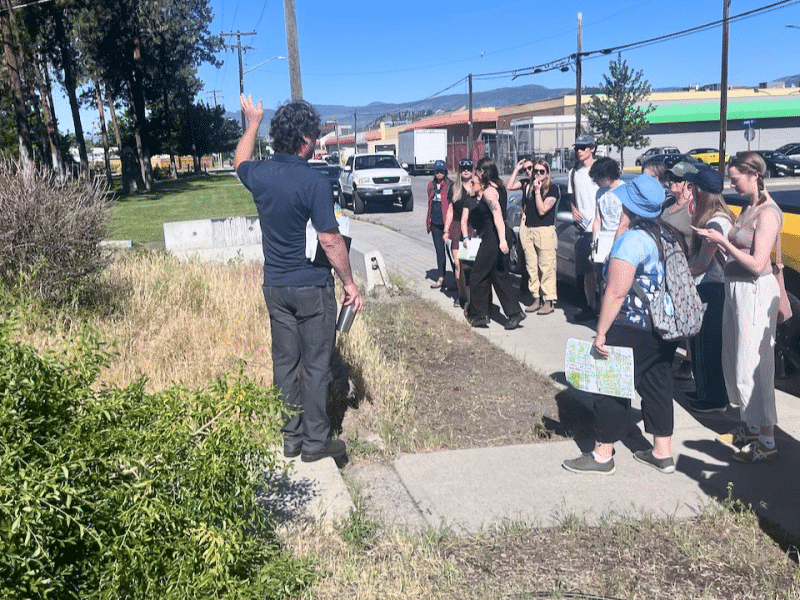
New UBC-Kelowna tool helps cities plant trees where they’re needed most
CanopyFit maps physical barriers alongside heat and equity data to maximize shade and cooling.
Canada’s Sustainable Finance Taxonomy: What it is, what is happening and what’s coming next
Canada’s sustainable finance taxonomy faces big challenges, from oil and gas, Indigenous rights and the real meaning of the word ‘transition.’
