Homelessness organizations dealing with increasing legal attacks, anti-poverty rhetoric: Ontario Nonprofit Network
Why It Matters
Legal challenges, threats and lawsuits against non-profits and charities are destabilizing for staff and operations. Where there are significant gaps in public policy, non-profits have stepped in to support vulnerable people and have subsequently borne the brunt of the blame. Some organizations might not have the capacity and resources to take on a legal battle.
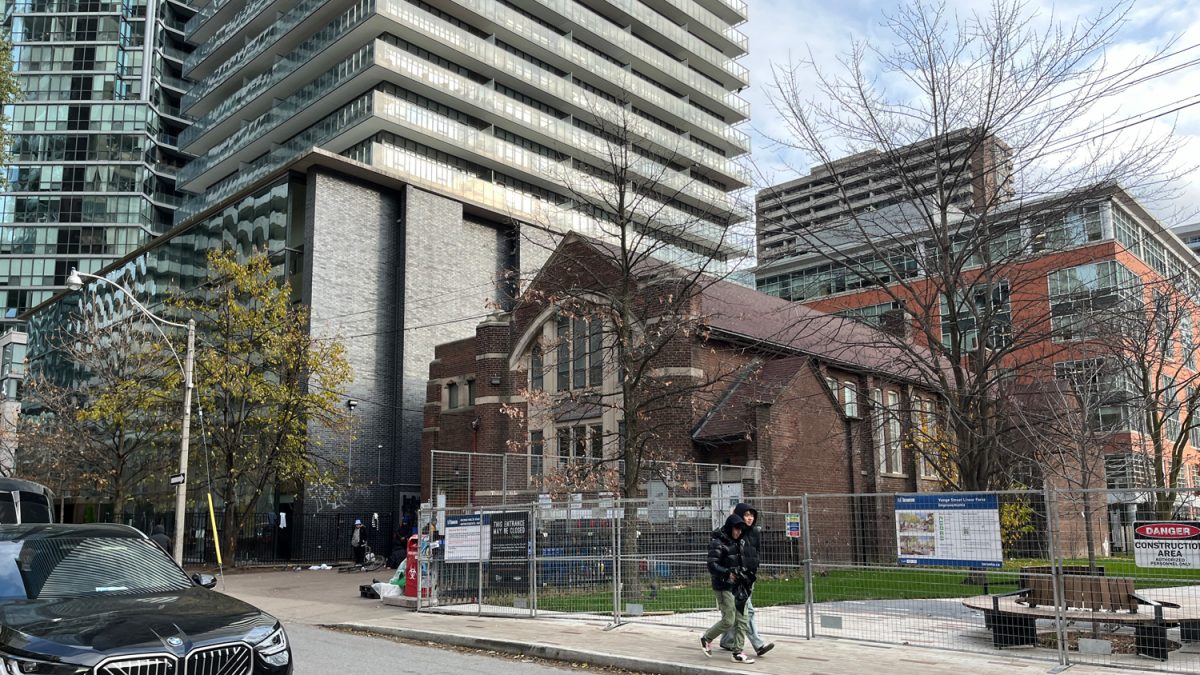
Misinformation about, and fear of, people experiencing homelessness and addictions is driving more legal attacks on non-profits and charities, according to the Ontario Nonprofit Network (ONN).
In a brief released earlier this month, the ONN outlined a shift towards “anti-poverty rhetoric” in the province, including legislation criminalizing homelessness, municipalities hindering service provision, and neighbourhood groups initiating legal action against local shelters, drop-in centres, and supportive housing facilities.
According to the ONN, there have recently been numerous “lawsuits against non-profit organizations [that] provide lifesaving services to vulnerable populations.”
Upon hearing about an initial set of such cases, the ONN contacted several of its partners, receiving several responses from non-profits about similar challenges they were facing. The network then hosted an emergency convening.
Among the cases outlined in the brief is that of Sanctuary Toronto, a church that has, since 1992, been providing meals, warm clothing and safe spaces to people experiencing homelessness.
In September 2025, the organization was served with a lawsuit from a nearby condominium board, which “claims that the people who access [their] services, often unhoused, are a nuisance.”
As a result, Sanctuary is having to raise funds to cover its own legal fees, rather than spending them on frontline services.
“This is bigger than one church, one lawsuit, or one neighbourhood dispute,” Sanctuary wrote. “[…] We know that chronic social issues cannot be solved through lawsuits.
“We cannot litigate our way out of the overdose crisis. We cannot litigate away poverty, addiction, or homelessness.”
It is the people who urgently need access to these programmes and services that will bear the brunt of the anti-poverty rhetoric, added Pamela Uppal-Sandhu, director of policy and the ONN.
In another case last year, the City of Brampton threatened legal action against the Regeneration Outreach Community, a charity that provides meals, hosts a food bank and enables access to healthcare for the unhoused. The City claimed that residents nearby were dealing with regular criminal activity, including drug use, theft, intoxication, and trespassing, a Brampton city councillor told CBC.
The organization, which operates out of Grace United Church, has since been in constant contact with the City and the Region of Peel to reach a mutual solution, said Executive Director Ted Brown.
“It’s not an us and them thing at this point, I believe,” he said.
Non-profits unprepared for legal battles
These legal challenges, which are often “unplanned and costly”, leave non-profit leaders “with the impossible choice of either following the organization’s mission and equity commitments or protecting the organization against legal attacks,” the ONN wrote in their brief.
“Organizations are usually just shocked,” added Uppal-Sandhu. “That was our initial reaction too, because [legal challenges] are the last thing you prepare for as an organization.”
Many organizations in this position are looking for resources on how to communicate about a lawsuit to staff, volunteers and board members, said Candice Zhang, policy advisor at the ONN.
When Regeneration was initially told the City of Brampton might pursue legal action, leadership also had to reassure staff about their concerns, Brown added.
The ONN will be continuing to support non-profits with legal education and resources. In addition, it will continue its policy advocacy at the provincial level, particularly against legislation that criminalizes the unhoused or that overreaches into a non-profit’s operations.
Tell us this made you smarter | Contact us | Report error