OP-ED: Vancouver’s Downtown Eastside rewards burnout, so how do we change this?
A decade in Vancouver’s Downtown Eastside taught me that good intentions aren’t enough, and without governance and boundaries, empathy can quietly burn us out.
Why It Matters
Structural compassion transforms empathy from a personal burden into a sustainable system, protecting both frontline workers and the communities they serve. Without it, urgency and identity can blur boundaries, leading to burnout, mission drift, and the erosion of long-term impact.
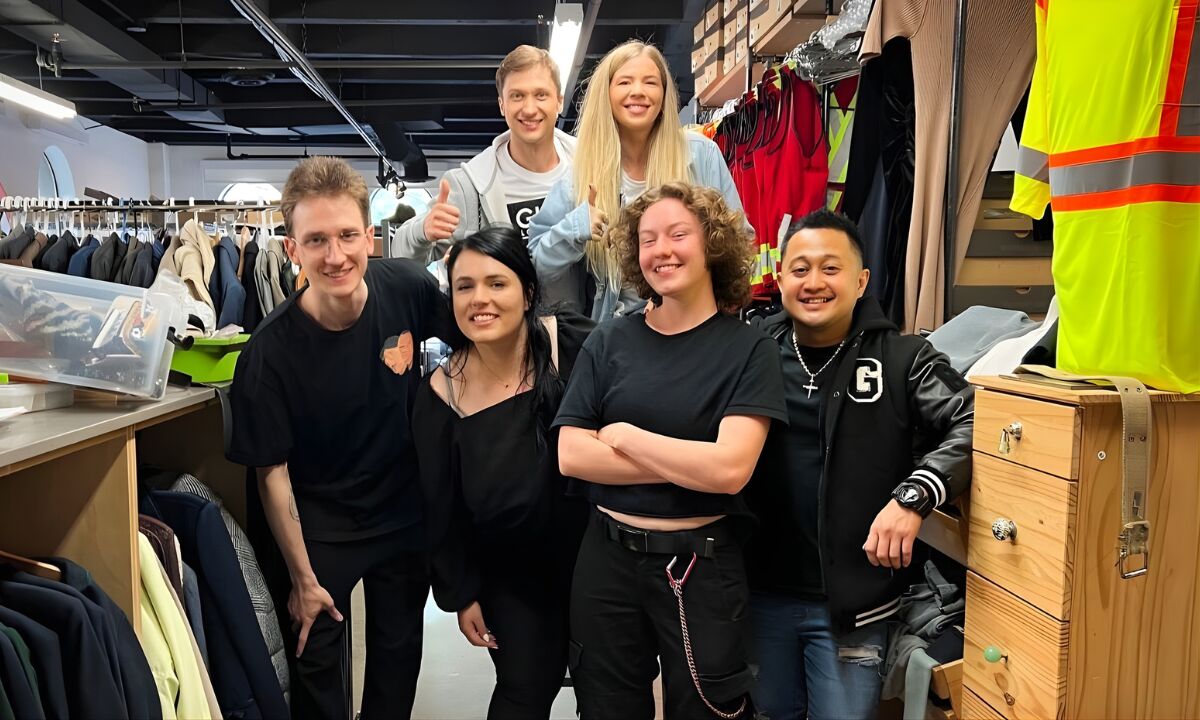
Sarah Beley, second from left, with the Working Gear Clothing Society team. (Facebook/Working Gear)
After ten years with Working Gear Clothing Society, I’m still learning what it means to lead with heart and with boundaries.
When I first joined, there were no employees, just a few volunteers trying to keep a small program alive. We believed that a good pair of work boots and a haircut could change someone’s confidence and future.
I’ve seen incredible compassion and creativity. But I’ve also seen how the same empathy that fuels this work can slowly consume people, how the most caring become the most exhausted.
When heart replaces framework
In the Downtown Eastside, I’ve watched organizations run on urgency, not structure.
Part of it is human ego, the belief that we can do it better. Part of it is empathy, the drive to fill gaps left by slow systems.
But when urgency replaces structure, we start to confuse motion for progress.
Over time, I’ve seen what happens when heart replaces framework, when personal relationships are asked to do the work of governance.
It can hold things together for a while, but at a cost: boundaries blur, burnout grows, and accountability becomes personal instead of structural.
I’ve watched people, including myself, pour their personal lives into this work until the line between who we are and what we do disappears.
In the DTES, compassion can easily become identity, and identity can become exhaustion dressed up as purpose.
At the organizational level, scarcity drives everything.
Most charities don’t receive stable operating funding. The system rewards short-term projects over long-term impact. That means staff spend as much time writing proposals as serving people.
Innovation gets replaced by compliance, and collaboration becomes a financial risk.
We talk about partnership, but we operate under scarcity.
When funding is limited, collaboration starts to feel like competition, every shared idea a potential threat to the next grant cycle.
This scarcity model breeds fragmentation.
Multiple agencies serving the same population offer nearly identical programs, each required to prove its “unique” impact to justify its existence.
Meanwhile, governments download their responsibility while charities deliver frontline care.
We’re praised for our compassion but constrained by the contracts that define it.
Until we start funding stability instead of survival, the system will keep burning through the very empathy it depends on.
When lived experience becomes an ideology
Centring lived experience began as an act of justice, a correction to decades of exclusion. It grounded programs in reality and gave voice to people most affected.
But somewhere along the way, it became a checkbox rather than a commitment.
I’ve seen experience treated as a credential that replaces training, mentorship, or governance.
People are often asked to perform their pain in public, expected to be both the story and the system.
The answer isn’t to sideline experience; it’s to pair it with structure. That means investing in coaching, co-leadership models, and boards that value both community wisdom and operational competence.
When we treat experience as essential input, not the only credential, people thrive, and programs last.
The balance that keeps compassion alive
I came close to burning out myself.
What kept Working Gear and me standing wasn’t luck; it was structure: strong governance, accountability, and a diversity of support that kept us grounded.
When one funding stream shifted, we could adapt without losing sight of our mission.
Having boundaries and a capable board gave me something I didn’t know I’d need: permission to step back when I was exhausted, and a framework that could hold the work even when I couldn’t.
Ten years in, I’ve learned that compassion without structure burns out, and structure without compassion dries up.
The future of this sector depends on finding a balance between the two, caring sustainably for both the community and the people doing the caring.
If we can protect our energy as fiercely as we protect our clients’, maybe the next decade will be less about survival and more about joy, longevity, and community that truly lasts.
Your job. Your mission. Your news.
With your support, the sector you're building gets the journalism it deserves, and you get a tax receipt.

Related Articles

Public grocery stores won’t fix Canada’s food affordability crisis
There are better ways to deal with this crisis than trying to put together public infrastructure from scratch.

Why ‘safe spaces’ at work fail – and how to fix it
Fostering belonging isn’t difficult, but it does take some understanding of how people’s brains work and how we are likely to interact with each other.
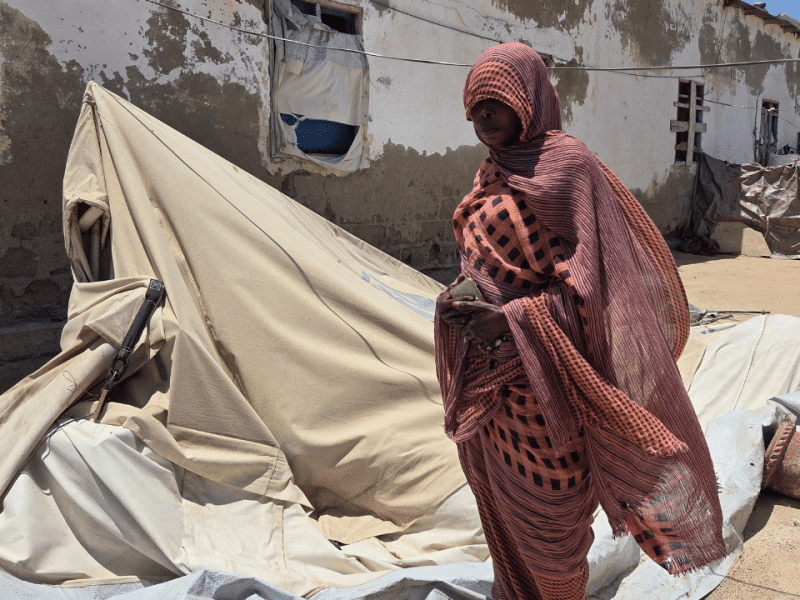
What compassion looks like in Sudan’s humanitarian crisis
“We have so much, they have so little, yet that woman shared her care for humanity by giving her very best.”
