Social franchising: The growing business model helping mission-based organizations expand
CleanStart Property Services has partnered with Just Like Family to scale its social enterprise across Canada through social franchising, a newer business model in Canada that prioritizes mission-driven outcomes.
Why It Matters
As more organizations look for ways to address social challenges without relying on grants or donations, social franchising could help replicate community programs in cities across Canada.
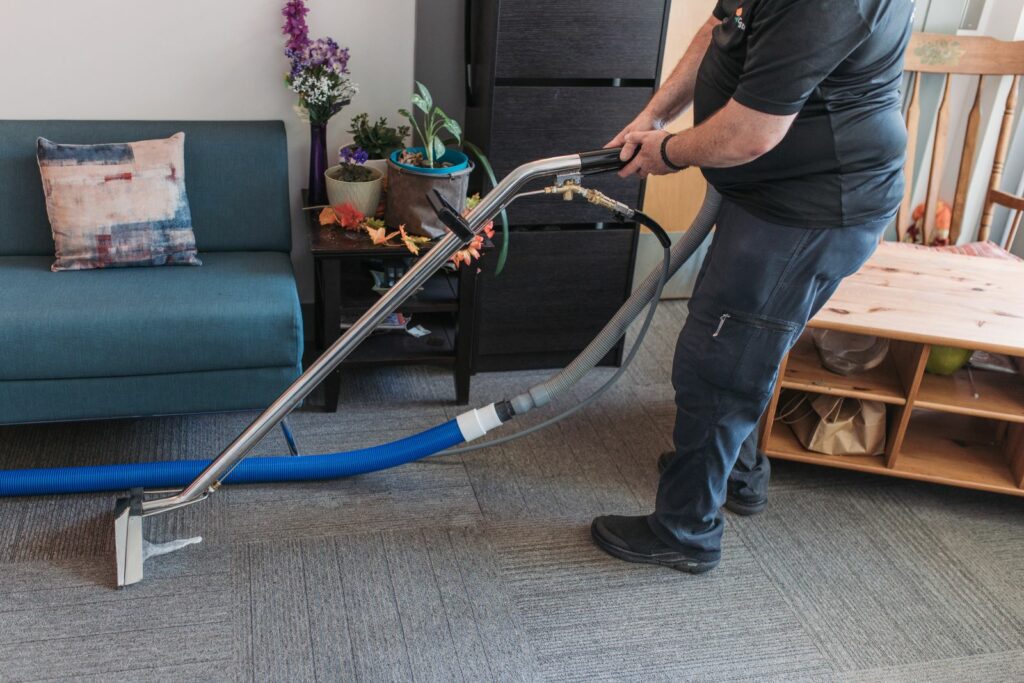
Kurt Johnston wanted to expand his Vancouver-based cleaning business into more communities after seeing what he’d accomplished on the city’s downtown Eastside.
CleanStart Property Services employs people who face barriers to work while providing cleaning services in complex environments, such as social housing. Everyone makes a living wage.
“We’re very deliberate with how we approach growth and expansion because of our model,” said Johnston, CEO of CleanStart.
As a social enterprise, the organization is funded through its business operations rather than grants or donations.
He eventually came across social franchising, a model designed to help mission-driven organizations expand without losing sight of their social goals.
@futureofgood Could this be the future for growing non-profits? #nonprofitsoftiktok #canada #socialimpact #franchise #socialfranchise ♬ original sound – Future of Good
“Social franchising is going to change the business landscape in Canada. It’s an ambitious statement, but …this has not really been done,” said Johnston.
Unlike traditional business franchises, which primarily focus on profits, social franchises focus on social impact outcomes.
Expanding through partnerships
The road to expansion was one he couldn’t travel alone, said Johnston, so he eventually connected with Just Like Family.
The home care company is the largest social franchise in Canada, with more than 50 franchisees.
However, it’s nearly at capacity to grow, having already operated in nearly every province and territory, according to Carla Langhorst, CEO of Just Like Families.
“If we’re sold out of our brand, we thought, ‘We need to have another brand to continue the movement that we’ve already started of social franchising in Canada,” she said.
“If you were just going to expand yourself, it would take a lot of extra money, but also management oversight,” she said.
“Whereas if you do franchising, local owners actually are building the businesses in their local communities and they’re building their own generational or community wealth.”
Social franchising offers a way to reduce the risks that typically make boards hesitant to scale their impact, she said.
“Let’s say you’re serving a hundred people and then your board is thinking, ‘We’d love to serve a thousand people’, but the risk is that it could fail, so now you’re putting the existing impact at risk,” she said.
“That’s why we love this version, because you’re just basically building a network of co-conspirators.”
Building on this approach, the two organizations have now partnered to replicate that model in the cleaning industry, aiming to scale operations while empowering local owners.
Under the partnership, Just Like Family will lead franchise development while CleanStart will focus on the operational side of the business.
“This question of expansion and ‘What are we going to do? What’s the next big step?’ has always been sitting there looming,” said Johnston. “And now I’m so excited for what’s to come.”
CleanStart is looking to first expand in Victoria and Kelowna before growing across Canada.
Supporting BIPOC business seekers
Social franchising can play a major role in supporting BIPOC communities by creating accessible pathways to entrepreneurship, said Langhorst.
Franchised businesses are more likely to be owned by people of colour, with 26 per cent of franchise owners identifying as minorities compared to about 17 per cent of non-franchise small business owners, according to the International Franchise Owners Association.
“This is a unique model for people to think about new revenue streams for existing charities and non-profits, as well as BIPOC entrepreneurs to know that this is an opportunity for them.”
By providing a proven business model and training, it helps reduce the risk and startup costs that often deter underrepresented residents from launching businesses.
Many of the employees at CleanStart have barriers to employment, including many of whom are newcomers to Canada.
For Just Like Family home care, more than 90 per cent of their staff are newcomers to Canada, typically women.
“You think about this being their first Canadian employment and like following ESA Employment Standards Acts and CPP. We don’t do contractors, we only do employees and that’s part of our contract in the franchise contract is that they have to be. That means that our employees are more protected,” said Johnston.
It’s the same model CleanStart will follow as it scales its business across Canada, said Johnston.
The company plans to onboard franchise partners immediately with a focus on cleaning commercial spaces, healthcare settings and social housing.
Your job. Your mission. Your news.
With your support, the sector you're building gets the journalism it deserves, and you get a tax receipt.

Author

Related Articles

This former Quebec solidarity minister’s message about who really drives social reform
Social progress occurs when the government recognizes checks and balances, she says.

City of Vancouver calls for festival federal funding return
Vancouver’s city council plans to push the federal government to restore and expand federal funding for major festivals and cultural events.

NEET kids: The effort behind lowering Canada’s worrying youth unemployment levels
The jobless rate for people aged 15-24 climbed to 14.1 per cent in February.
