Canada is ranked 30th of 38 countries on child and youth wellbeing — and the pandemic is making it worse
UNICEF ranked Canada 30th of 38 wealthy countries on providing safe, healthy childhoods
Why It Matters
Children and youth are among the most impacted by the pandemic, with rising rates of poor mental health since the crisis began and new protocols for schooling threatening quality education for many. Considering Canada was already lagging on child and youth wellbeing pre-pandemic and non-profits serving youth have been hit hard, too, the country has a major problem.
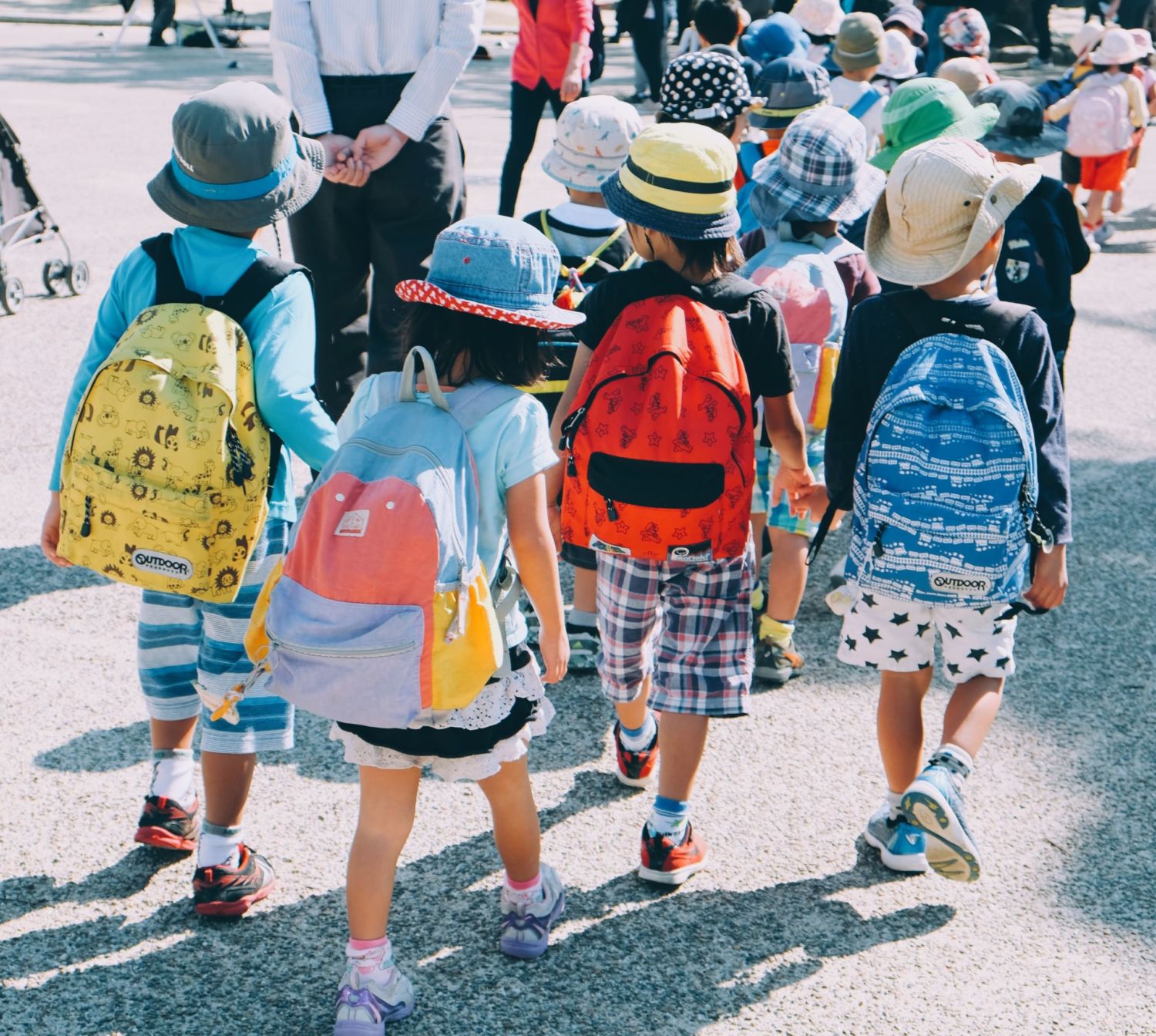
As children across the country try to adjust to a different type of school year than they’ve ever experienced, they might not be set up for success.
Earlier this month, UNICEF ranked 38 wealthy countries on child and youth wellbeing, with Canada sitting in the 30th spot. “Despite an overall trend of rising economic wealth in Canada, many aspects of children’s lives are not improving. In fact, Canada is among a handful of rich countries with the best conditions for growing up, but the poorest outcomes for children,” writes David Morley, president and CEO of UNICEF Canada, in the report.
Earlier this month, UNICEF ranked 38 wealthy countries on child and youth wellbeing, with Canada sitting in the 30th spot.
Canada ranked lower than the country average on children who feel satisfied with their lives, and much lower than average on mitigating child and youth suicide, with suicide now the leading cause of death among children aged 10 to 14. Furthermore, “the widest gaps between Canada and the best performing countries exist not only where Canada ranks low in the league table, but they also persist in the areas where Canada has been making the most progress: bringing down rates of child poverty and youth exclusion from school and work,” the report reads.
While the ranking might be jarring for some, it’s not unexpected for many who work with young people. “We are way behind other countries on researching child and youth mental health, and publicly funded educational accommodations that are needs-based, individualized and make education inclusive for all students, including students with mental health disabilities,” says Sheryl Boswell, executive director of Youth Mental Health Canada.
And Canada was lagging on young people’s wellbeing even pre-pandemic. Now, children have had their daily routines upended. Kids Help Phone has reported more than triple the usual rate of texts to its crisis line. And household food insecurity rates are rising — to name just a few potential indicators of existing problems being exacerbated.
Children First Canada also released its annual Raising Canada report on the top 10 threats to childhood in early September, and this year, they analyzed the impact of the pandemic on children’s wellbeing. Poor mental health ranked as the second highest threat, with 57 percent of young people surveyed saying their mental health was “somewhat worse” or “much worse” than before the pandemic began.
57 percent of young people surveyed saying their mental health was “somewhat worse” or “much worse” than before the pandemic began.
In the absence of running their usual after school programs, Boys and Girls Clubs of Canada have been doing wellness checks with former participants, and has found that “youth are reporting a decline in their mental wellbeing and real anxiety right now, especially with September being back to school, and the school year not looking like any they’ve seen before,” said CEO Owen Charters.
But Boswell says she’s not so quick to sound the alarm. “A lot of people’s mental health has been positively impacted, because there was no school and school really increases a lot of mental illness, anxiety, and stress in young people,” she explains. She says bullying and high pressure, competitive academic environments can be stressors for young people experiencing mental illness.
While UNICEF did not break down statistics according to demographics, it’s likely that disparities between the physical and mental health of Indigenous and non-Indigenous people — attributed to the intergenerational trauma of residential schools, a lack of access to clean drinking water in many communities, and other systemic barriers — accounted for much of Canada’s poor performance.
Young Indigenous women are about seven times more likely than their non-Indigenous counterparts to die by suicide. Young Indigenous men are about five times more likely. Suicide rates among Inuit youth in particular are the highest anywhere in the world, at 11 times the rate of non-Indigenous youth. Rates of poverty, food insecurity, and other social determinants wellbeing are poor among Indigenous children. To address this in part, UNICEF calls on the federal government to follow the First Nations Child & Family Caring Society’s Spirit Bear Plan, which asks the government to provide adequate funding for public services on First Nations reserves.
Where government intervention has fallen short on childhood wellbeing, community organizations have traditionally filled the gaps. But the pandemic is straining those organizations’ ability to help — both by physical distancing mandates and by the economic strain the crisis has put them under. In April, Boys and Girls Clubs of Canada laid off 6,000 of its total 7,000 staff. At the same time, public health guidelines mandate that clubs can only operate at 30 to 50 percent their usual capacity, without enough funding to find additional spaces to operate in — and subsidies so far haven’t addressed this problem. “A wage subsidy doesn’t pay for infrastructure,” Charters says. “We’re turning families away that would normally access our programs and services.”
Zooming out, Charters says the pandemic offers an opportunity to reimagine the ways Candian society cares for children and youth. He says the gaps left by the absence of programs like Boys and Girls Clubs raise questions about childcare: why doesn’t the school day match the work day? Why do schools still close over the summer, even though Canada is no longer a predominantly agricultural society and most parents work year-round?
Charters hopes to see childcare as a priority for the federal government’s forthcoming recovery plan, and hopes provincial governments follow suit, too. “There needs to be real thought put into the investment of building infrastructure for a society that values children.”
Your job. Your mission. Your news.
With your support, the sector you're building gets the journalism it deserves, and you get a tax receipt.

Related Articles
Partnered Partnered content How construction contracts became the blueprint for social change in Manitoba
Manitoba is a leader in social procurement, with decades of partnerships among government, businesses and social enterprises that have shaped a model other communities can learn from.
‘The need is endless’: Food insecurity highest in Canada’s Black, Arab and Indigenous communities
Food insecurity gaps aren’t closing, so community organizations across Canada are trying new ways to help beyond just providing food.
