Canadians don’t know enough about their own Black history — these organizations are changing that
For these Black non-profits and initiatives, Black History Month is a year-round affair
Why It Matters
With Black Canadians often missing from history books and school curriculums, non-profits and other organizations are tasked with keeping their stories alive. These organizations not only recall history, but also ignite discussions about Black history that last well beyond February.
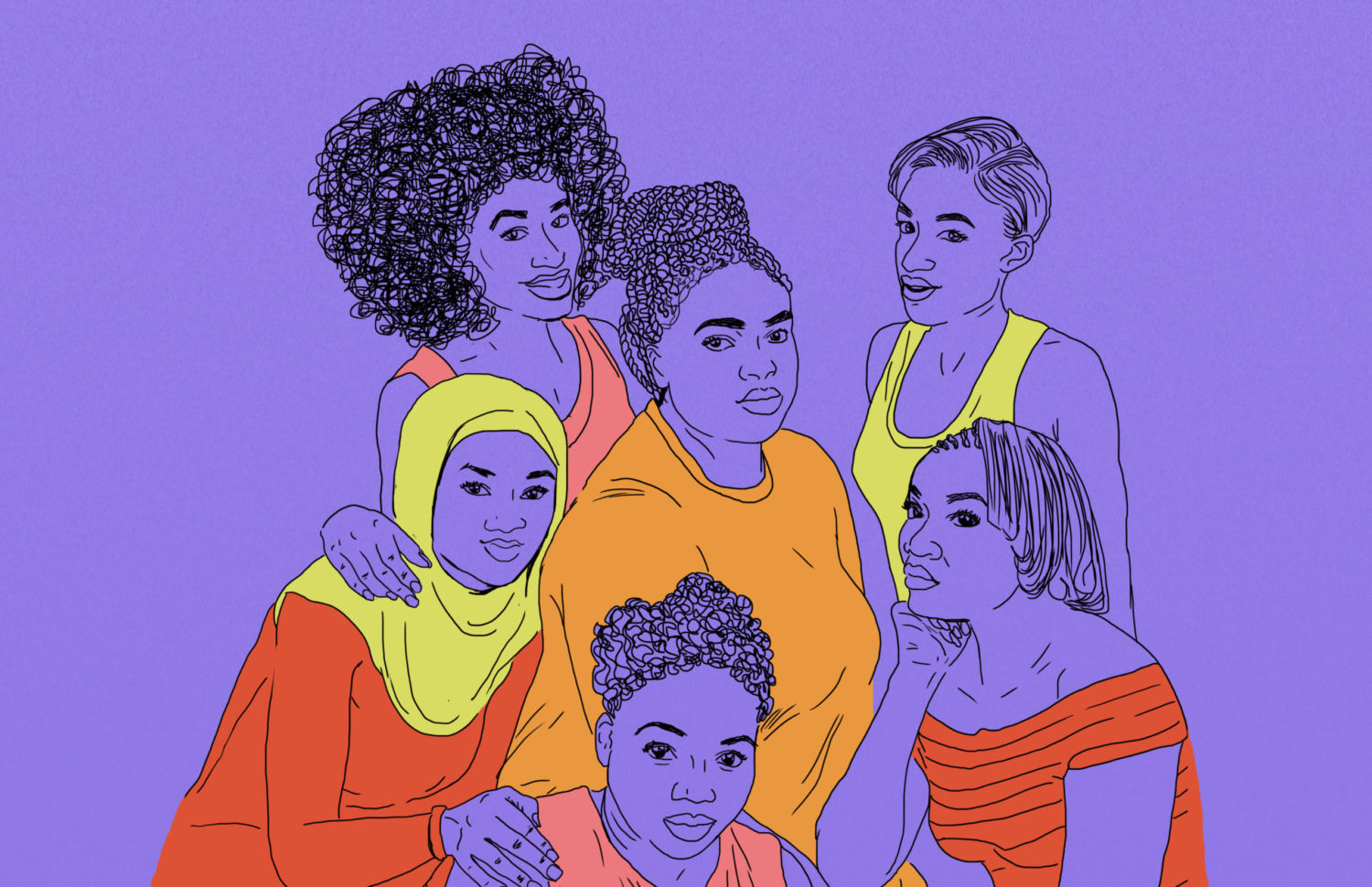
Photo: moishistoiredesnoirs.com
Understanding the long and incredible history of Black Canadians requires more than just a month of reflection and celebration.
February may be Black History Month, but uncovering Black history is an everyday effort for many Canadian organizations. Small non-profits, city-funded arts initiatives, and organizing committees alike are constantly trying to promote a deeper understanding of Canada’s Black history and culture, something that’s lacking among many in both the general public and the social impact world.
Here are four Canadian organizations doing that important work:
Amherstburg Freedom Museum
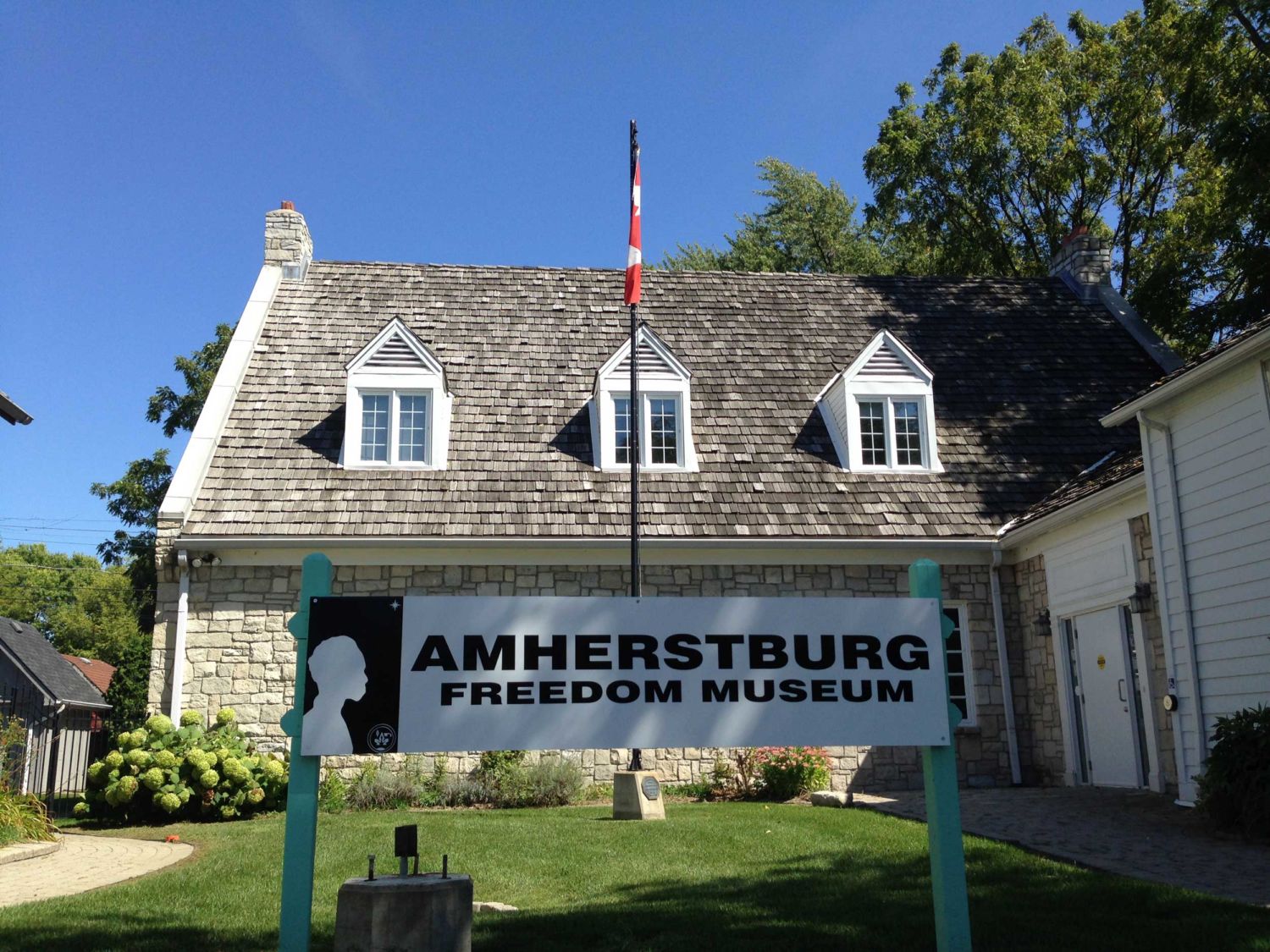
Photo: Amherstburg Freedom Museum
One of the most significant artifacts at the Amherstburg Freedom Museum to Mary-Katherine Whelan, the curator, is known as a lashing ring. This iron band was embedded in a tree on the property of Colonel Matthew Elliot, a local militia leader and trader who owned between 50 to 60 enslaved people on his property, and used to restrain victims during whippings. “This lashing ring really speaks to that history in Canada that is not really talked about — how there were people, in this region especially, that enslaved people,” Whelan says. “It’s not a topic that gets touched on a lot in Canadian history.” Even Americans who visit the museum are shocked.
The museum tells the story of the Underground Railroad, a network of escape routes and hideouts used by Black slaves in the United States to seek their freedom, as well as the overall history of Canada’s Black communities. While many people who escaped slavery in the American South fled to the northern United States, several towns in southern Ontario, including Amherstburg, also acted as end points for the railroad. (Slavery in Canada and other British colonies at the time officially ended in 1834). The Nazrey African Methodist Episcopal Church, at the museum site, was used to support escaped Black slaves. Whelan says this church acted as something of a mutual aid organization. “It was almost like a community centre,” she says. “People could seek refuge there, shelter, food, clothing, whatever the congregation could provide for them at the time.”
As a non-profit focused on Black history, Whelan jokes that the museum celebrates Black History Month every day. In February 2020, they hosted “Journeys”, an exhibition by a group of local Black artists that tells the story of Black enslavement and freedom. “We normally do have an exhibit that is showcasing an aspect of Black history in relation to the museum and to the community,” she says. “That’s something we definitely do every year, but this year, being totally different, all of our programming is online.” With the COVID-19 pandemic, the museum site has been closed to the public since last December.
Community groups, schools, and larger corporate gatherings are still booking virtual tours, but Whelan says they don’t allow visitors to really appreciate the museum’s full site: the Nazarey African Methodist Episcopal Church, the home of George Taylor, who escaped slavery in Kentucky, and the museum’s main gallery. Digital gatherings feel more rushed, she says. Several U.S. historical societies who hoped to visit the museum in person now can’t because of the border shutdown. But they’ve been able to shift gears: recently, Whelan’s assistant curator did a presentation for the Ontario Genealogical Society.
But the museum’s work also extends into the present. In 2017, the museum organized the Amherstburg Freedom Summit and welcomed high school students from all over the county to discuss issues that affected them daily. One of their suggestions was a quarterly speaking series and mentorship program with professionals working in STEM fields, education, emergency services, and other fields. That’s in the works, but COVID-19 put it on hold. “A lot of these young people don’t have the adequate support that they need in the community,” Whelan says. “We’re just trying to have another outlet for supporting youth.”
B.C. Community Alliance
Most Canadians first learn about history in school. Except, as Markiel Simpson of the B.C. Community Alliance found, the public school curriculum glosses over some aspects of Black history. During his time in grade school, Simpson told the Globe and Mail last year, he mainly learned about the trans-Atlantic slave trade and the Underground Railroad. His teachers offered no history lessons on Black communities in B.C., even though Black people had lived in the province for centuries. For instance, the first dentist licensed in B.C., a man named William Allen Jones, was Black.
Simpson helped organize a petition to develop a Black history curriculum for B.C. schools, an effort that goes well beyond the classroom. “We have so many positive things about Black and Indigenous people in this country that are worth celebrating and when we don’t celebrate those things then we do our whole country a disservice — but we also put people from those groups in more vulnerable situations,” Simpson told the Globe. The petition also called on B.C.’s Ministry of Education to start investigating the sources of anti-Black racism in the school system.
There are efforts in other Canadian school boards to incorporate more Black-focused history, but Simpson says students often know more about the history of Black Americans than they do about Black history in their own country. He told the Capilano Courier, the student newspaper at his alma mater, that this doesn’t just affect who Canadians learn about — it also impacts how Canadians understand discrimination. “Since we don’t learn about Canadian racism, and the history of racism in the country, or just our history in general, it makes it seem like it doesn’t exist, and what ends up happening is we get erased. Canadian Black history exists, but it’s been erased from our history books,” he says.
Toronto History Museums’ “Awakenings” project
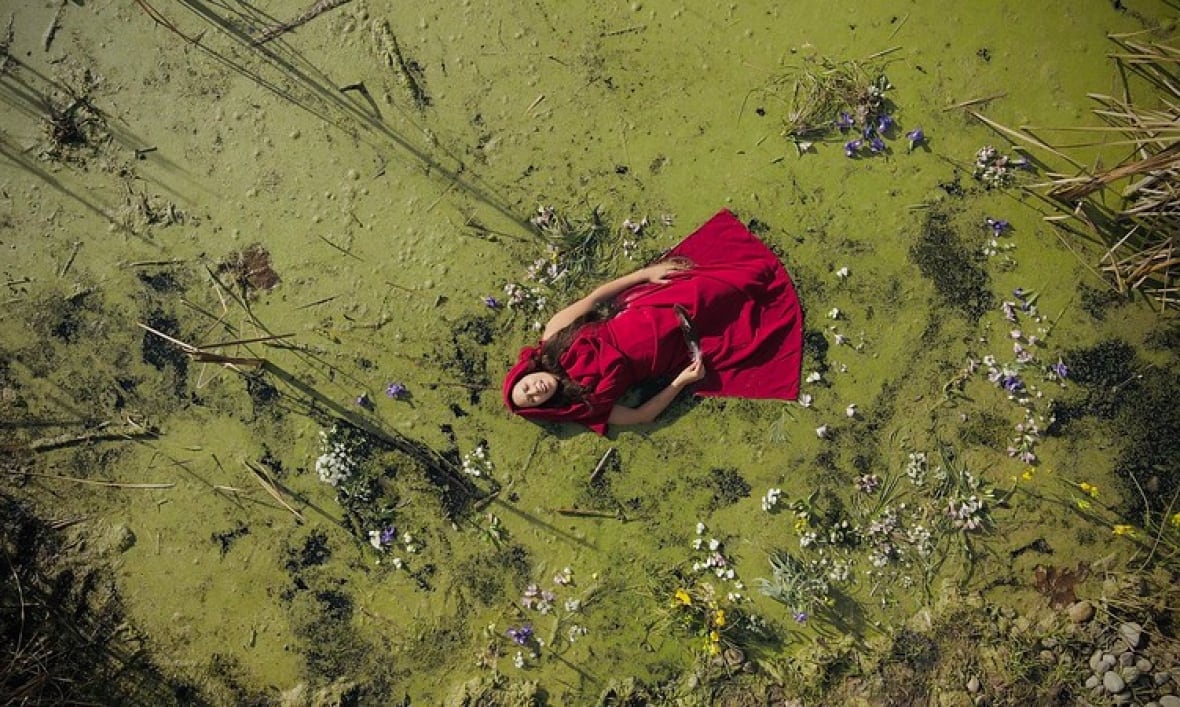
Photo: Awakenings Project, City of Toronto
When Umbereen Inayet, a programming supervisor at the City of Toronto, first started working on “Awakenings” — a series of art projects produced by Black, Indigenous, and other artists of colour in Toronto — the COVID-19 pandemic had only just begun in North America. George Floyd was still alive. Over the course of the year, public health restrictions came and went, and racialized artists found themselves reflecting on injustice. “We’re really thinking about: what is the awakening we want people to have?” Inayet says. “That is that we are in a colonial history that has erased people’s cultures, stories, genders, narratives.”
Through a series of films, conversations, and digital performances, artists explore Toronto’s long history of Black, Indigenous, and racialized people from some of the city’s oldest historic settings. In “A Revolution of Love”, a digital short film shot at Fort York National Historic Site, a young Black woman “grapples with the histories of her ancestors and the present-day violence ravaging her community, and begins to imagine what her future looks like through dance,” according to the project’s website. “Kitchen Concerts at the Inn” is a music series based at Montgomery’s Inn and devoted to Joshua Glover, a Black man from Kentucky who escaped slavery and ended up working at the inn during the 19th century. These projects are remote thanks to COVID-19, but Inayet says her gut instinct would have been to present them live if the pandemic hadn’t happened. “The whole idea is to reclaim space and to change the face, literally, of the sites,” she says. “What 2020 did was bring technology and innovation to us in a way like never before.”
Of course, 2020 also represented the start of momentous collective grief, especially for Toronto’s Black community. COVID-19 is disproportionately infecting Black communities within the city, while the uprising against racist police violence in the United States is very relevant given the Toronto Police Service’s history of racial profiling. Awakenings is intended to not only highlight the under-told stories of Toronto, but also allow people to process their own emotions. “We believe that our job is to hold space,” Inayet says. “It’s to say we’re not going to shy away from all the dark side of what’s going right now and what happened in the past. Really, that’s the only way to make room for healing.”
And the team behind Awakenings is also keen on showcasing Toronto’s Black communities in all their diversity. Inayet points to a mentorship project run by Director X, a Toronto-based film and music video director, awarded to 10 filmmakers. “We interviewed 30 artists and we pulled 10 that we felt were not only great filmmakers, but had a unique story from a diverse cultural background with a unique point of view,” Inayet says. This included an Afro-Indigenous filmmaker, queer filmmakers, disabled filmmakers, Egyptian filmmakers, Ecuadorian filmmakers. Including these perspectives is the only way for a project like Awakenings to really reflect, rather than simply react to, everything that happened in 2020. “You’ve got to get really still,” Inayet says. “There is the response of Awakenings to one of the most historical years of our time.”
Round Table on Black History Month
For the last 30 years, the Round Table on Black History Month has worked with community organizations all across Montreal to bring the city’s rich Black history to life. Michael Farkas, the Round Table’s president, says Montreal was actually one of the first places in Canada to formally recognize Black History Month. “In a way, it has always been at the forefront of fights for groups that were facing exclusion,” he says, pointing to the Sir George William University riot in 1969, a protest by Black students over alleged racism by a biology professor. The parents of Malcolm X, one of the most influential Black activists in American history, met in Montreal. “We’ve been at the forefront of many struggles,” Farkas says.
The Round Table does not hold many Black History Month events on its own, although it does present conferences and panels. Earlier this month, the Round Table hosted reggae historian and writer Roger Steffens to discuss the legacy of Bob Marley on the 40th anniversary of his death. Every Sunday afternoon in February, Farkas says, the Round Table is also running a series of online workshops focused on the mental health of Black communities. The series is inspired by a concept of self-care popularized by the Black Panthers in the 1970s. But the Round Table tends to support Black communities running their own events during Black History Month, ranging from the Black Theatre Workshop, to the Council for Black Aging Community of Montreal, to the Black Community Resource Centre. Farkas says there are more than 100 activities running this year. “Black affairs is a serious business,” he says.
One of the most important goals of the Round Table is showcasing the successes of Black Canadians throughout the country’s history, as well as the progress made on racial equality during that time. “We’re a mosaic of people,” Farkas says. “We’re proud every year to show the successes and the people that have made us advance a little more.” But working towards a better world for Black communities, and the next generation of Black Montrealers, is also very important. Farkas says Black organizations need to help youth however they can, which includes explaining their long history in Canada. “We’re gonna have to give them some space, and also give them some answers,” he says.
Your job. Your mission. Your news.
With your support, the sector you're building gets the journalism it deserves, and you get a tax receipt.

Related Articles
Half of Filipino immigrants to Canada are overqualified for their jobs: StatCan
‘For the relationship that Canada has with the Philippines, it seems like it’s lopsided.’
Partnered Partnered content How construction contracts became the blueprint for social change in Manitoba
Manitoba is a leader in social procurement, with decades of partnerships among government, businesses and social enterprises that have shaped a model other communities can learn from.