Five stories from the non-profit sector hidden behind our (former) paywall in 2025
There may have been stories you missed when we had our paywall up. So we’ve got a nice little list to help you catch up.

Five stories that got stuck behind our paywall in 2025. (Elisha Dacey/Illustration)
As things wind down on a bizarre and sometimes difficult year, here’s a chance to catch up on your reading.
Future of Good removed its paywall this year, and there are stories that, if you weren’t a member before, you may have missed.
Here’s five of those stories to peruse among the mistletoe, presents and family drama.

Sarah Di Troia, managing director of the OutcomesAI stream at Project Evident, right, speaks during a team retreat earlier this year. Project Evident has been carrying out research on AI adoption in the U.S. non-profit sector, and is now looking at the organizations that have the power to drive technology: the funders themselves (Project Evident / Facebook)
Funders are receiving more AI proposals, but not all are well-equipped to assess them
Not all funders feel confident assessing artificial intelligence grant proposals they receive from a technical or ethical perspective, according to new research.
Findings from Project Evident show that funders who have their own AI strategy in place internally feel more confident in evaluating the feasibility of grant applications they receive.
“If funders are not AI-engaged, they risk falling behind,” the report said.

Islamic Family and Social Services Association is the non-profit behind a new software product – Transform – which prioritizes “compassionate design” and data justice principles (IslamicFamily/Illustration by Elisha Dacey)
How an Edmonton social services agency spun out its own tech products
By launching its own technology social enterprise, an Edmonton-based social services agency hopes to help frontline staff across the sector better handle client data and case management.
The Islamic Family and Social Services Association (IFSSA) has created its own for-profit entity, Flourishing Systems, and tool, Transform, to ease the “administrative burden” that staff in non-profits are often faced with.
“As a social services agency ourselves … we experienced firsthand the frustration of inefficient systems and the emotional toll it took on both our team and the clients we served,” they wrote.
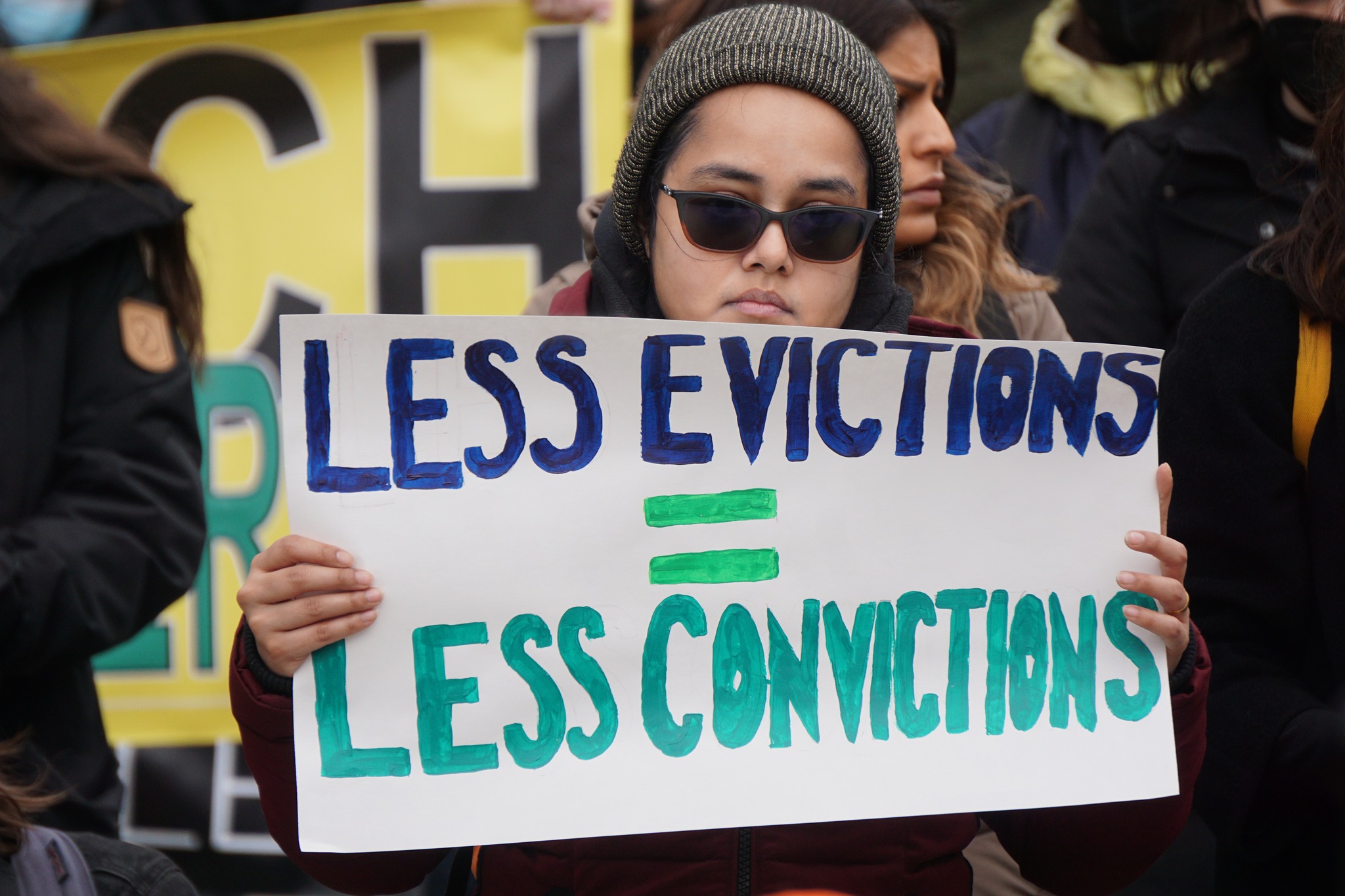
Several community organizations, grassroots activism groups and legal organizations are in opposition to a new bylaw from the City that will limit the locations where protests can take place (Jane Finch Action Against Poverty (JFAAP) / Facebook)
Protest has been critical to social reform. Toronto’s grassroots groups say new rules could hinder them
Critics say rules that prevent activists from protesting near certain places in Toronto could hinder groups from deploying their messages when they go into effect in July.
ClimateFast, a small grassroots environmental action group, gets its message out by being physically present in locations across the city, said co-chair Susan Bakshi.
Bakshi and her team annually organize multiple events in the city’s downtown core, including vigils for climate disasters.
“It’s very peaceful, but a large number of people congregate,” she said.
“Because we have such a small budget, we can’t compete with the bigger organizations that may be spreading some of the misinformation about climate and fossil fuels.”
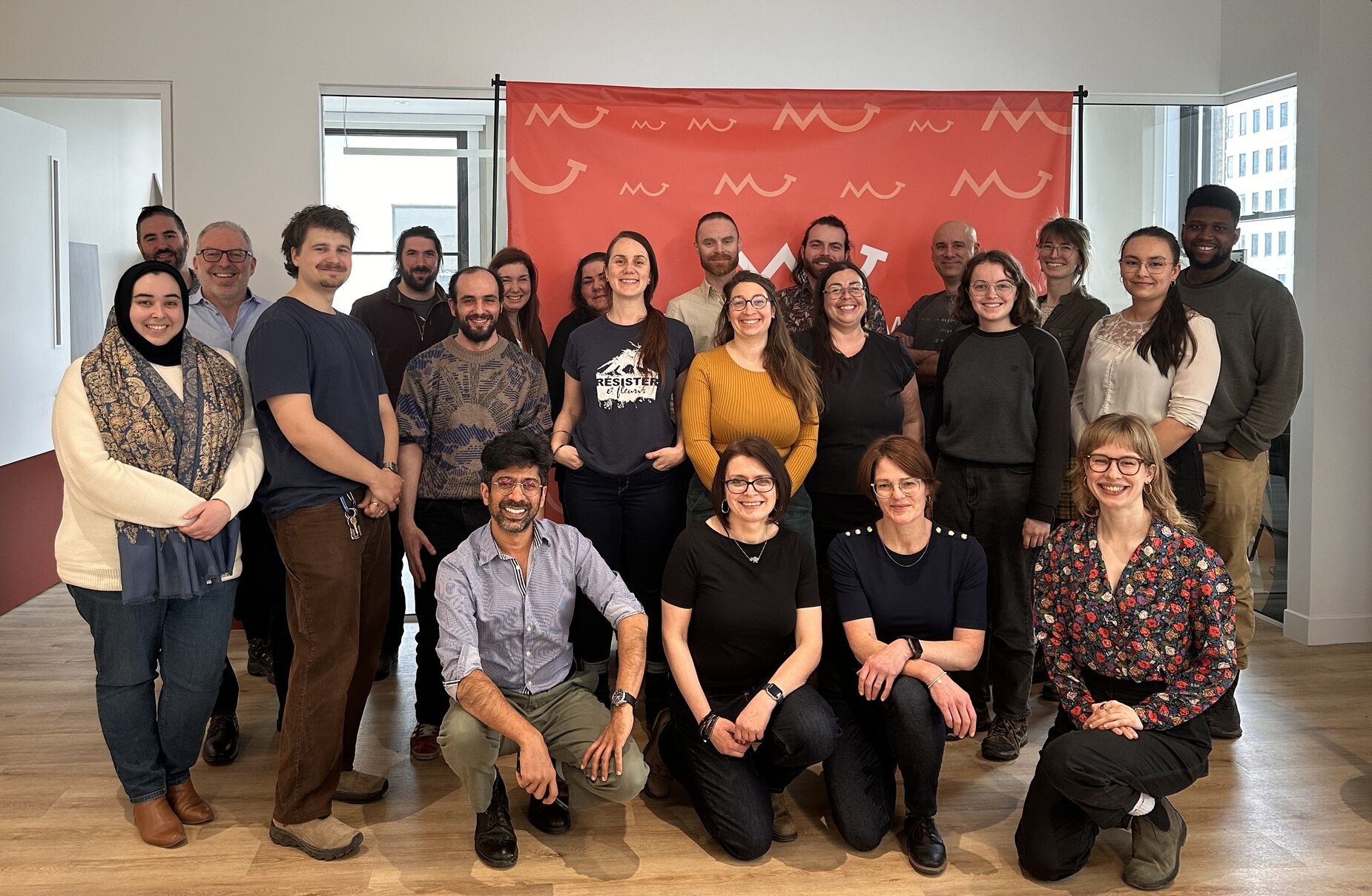
Community Foundations of Canada worked with local funders, such as the Fondation du Grand Montreal (pictured above), to distribute funds to non-profits and charities through the government’s $400 million Community Services Recovery Fund. (Facebook)
COVID recovery funding for community services fell short by two-thirds: new data
New data says the non-profit sector received only one-third of the help they needed after COVID-19.
A new analysis of the Community Services Recovery Fund (CSRF) reveals the sector collectively requested nearly $1.4 billion in funding to help with post-pandemic recovery.
However, the CSRF was a $400 million federal fund for the non-profit and charitable sector, administered by three intermediaries: the Canadian Red Cross, Community Foundations of Canada (CFC), and United Way Centraide Canada.

A new housing co-operative in Vancouver’s Gastown neighbourhood, run by Atira Women’s Resource Society – another organization that incurred a hefty fine for non-compliance under the LTA. (Jennifer Gauthier/Supplied)
Some B.C. non-profits avoiding talking to government due to ‘onerous’ lobbying laws
Some British Columbia organizations say they’ve stopped talking with the government due to the province’s “onerous and confusing” lobbying transparency legislation.
In a recent survey of B.C.’s non-profit sector, 14 per cent of organizations said they have paused or stopped engaging with the provincial government, attributing this shift to the legislation and reporting requirements.
These are recent findings from Vantage Point, which houses the BC Non-Profit Network and has, since 2020, been exploring the impact of the province’s Lobbyists Transparency Act (LTA) on local non-profits and charities.
“Non-profits are uneasy at being conflated with lobbying by for-profit, commercial businesses,” said Zahra Esmail, CEO of Vantage Point.
Your job. Your mission. Your news.
With your support, the sector you're building gets the journalism it deserves, and you get a tax receipt.

Authors


Related Articles
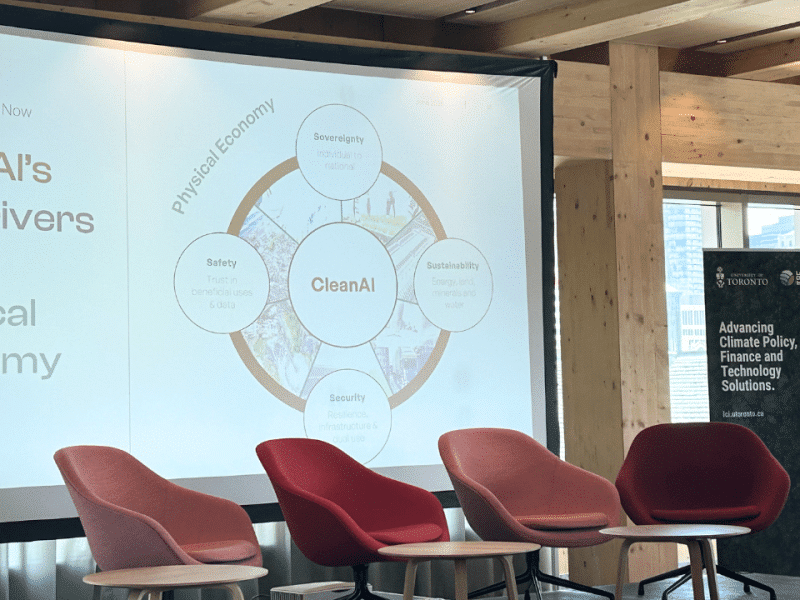
Quarter of all Canadian AI ventures could be categorized as ‘clean AI’: new research
At Toronto Climate Week, the global CleanAI Initiative shared research on the Canadian ecosystem, finding growing investment hubs in Vancouver, the GTA, and Kitchener-Waterloo.

Partnered Partnered content Non-profits are increasingly being targeted for cybercrime. Here’s how your organization can help protect itself
Being cybersecure doesn’t have to be daunting or expensive. A panel of experts discuss ways the non-profit and charitable sector can help protect itself in a constantly changing AI landscape.
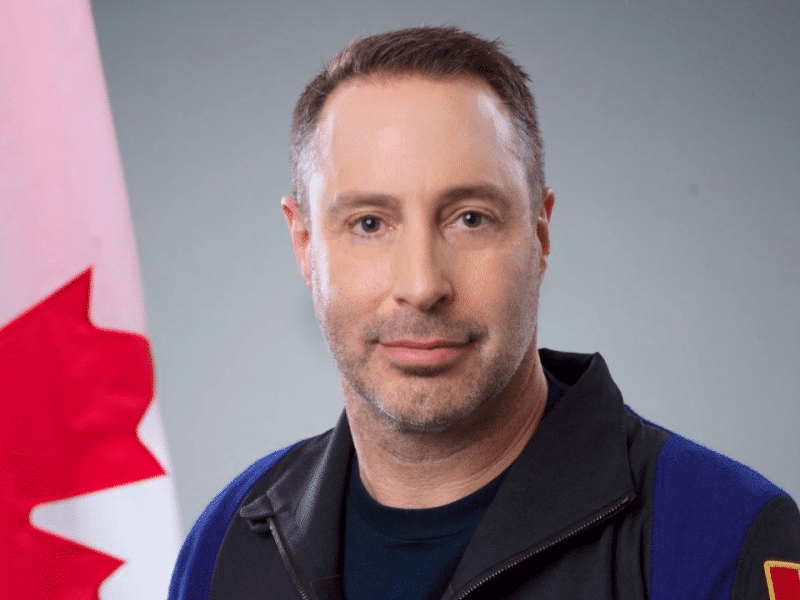
Canadian astronaut, entrepreneur donates $15M to Concordia to launch new space school
Montreal’s Concordia University will be the home of the Mark Pathy Space Institute.
