
Five unique ways Canadian communities are finding local doctors
Municipalities are experimenting with ways to recruit and attract doctors, as wait times and shortages continue to plague Canada’s healthcare system.
Why It Matters
With millions of Canadians struggling to find a family doctor, communities are taking matters into their own hands. Their innovative approaches of housing, incentives, and mobile clinics are helping to make healthcare more accessible when traditional models aren’t working.

Communities across Canada are developing creative ideas to improve access to health care, especially in rural and remote areas where doctor shortages and long travel times remain constant challenges.
Nearly six million Canadians don’t have access to a family doctor, according to a 2025 survey by the Canadian Medical Association.
Only 28 per cent of Canadians were satisfied or very satisfied with how the primary care system is working.
The disparity has many communities looking at non-traditional ways to retain physicians and make healthcare more accessible.
Here are five unique ways Canadian communities are working to strengthen healthcare:
1. Community recruitment
Some municipalities are addressing physician shortages by offering recruitment packages that include housing support, clinic space and spousal employment assistance.
In Colwood, B.C., Mayor Doug Kobayashi worked to pilot a program that makes physicians a part of the municipal employee system.
Typically, family doctors in Canada operate as independent contractors, which means they are responsible for managing all aspects of their clinic as a business.
At Colwood’s new clinic, the city handles administrative work, including hiring medical assistants and providing a fixed salary and benefits.
Career support for spouses of recruited doctors is also offered in some cities, including in Loyalist Township, Ont., through the Nest program.
Spouses get support from a career and relocation specialist to plan their next steps and find work in their new community.

2. Bonus Incentives
Some communities are turning to financial incentives to attract and retain doctors and their families.
A signing bonus is part of an incentive for doctors in Huntsville, Ont.
The municipality provides $60,000 to a doctor who takes over a family practice, $70,000 for taking over an existing practice and taking more than 200 Huntsville patients off the waitlist, or $80,000 for those setting up a new family practice.
However, it’s not just monetary incentives happening in Huntsville. Things like a 1-year car lease, golf, ski club, skating and swim memberships, retail and restaurant vouchers and skating are all being offered by the town.
Other cities offering financial incentives include Dryden and Kirkland Lake, Ont., where local hospitals and municipalities provide relocation assistance and referral bonuses to help recruit doctors in underserved communities.
3. Mobile clinics
Mobile healthcare services can have a large impact on small, rural and remote communities that face long travel distances, physician shortages and limited access to specialized care.
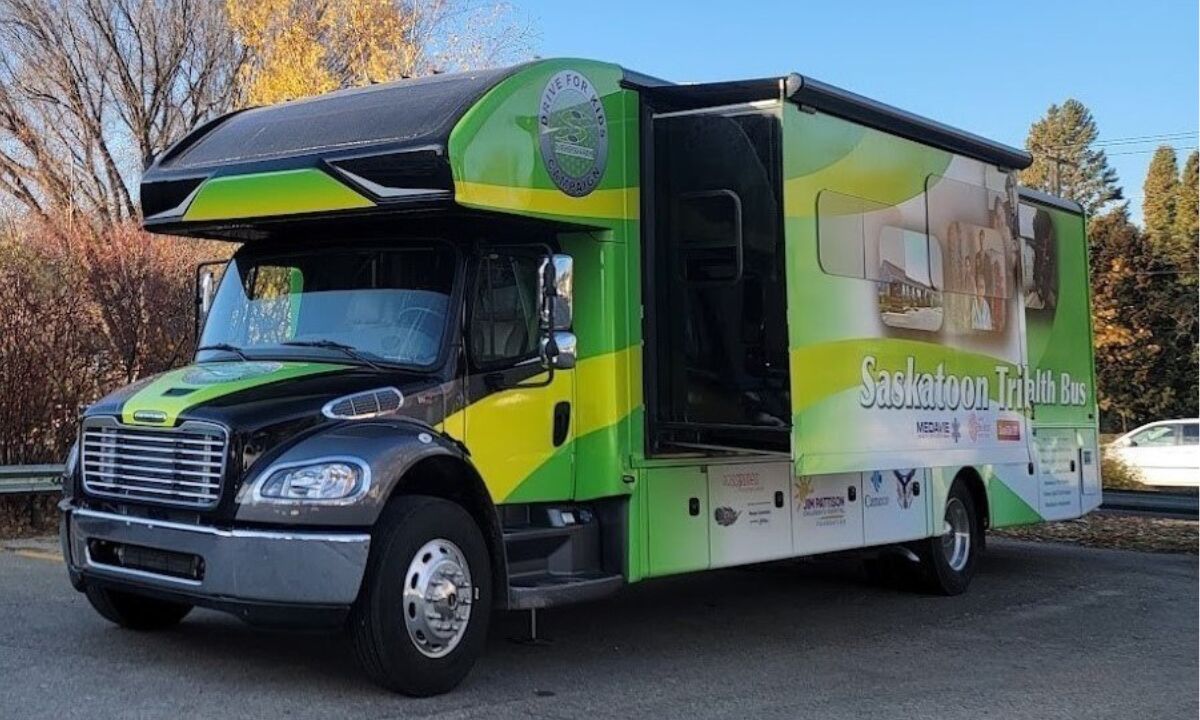
In Saskatchewan, a mobile health clinic travels to First Nations communities to improve access to care for residents who often must travel to cities at their own expense to receive treatment.
The Saskatoon Tribal Council Health Bus provides paramedicine, mental health support and dental services to seven First Nation communities. The bus spends five days per week in one community and rotates through the other communities each week.
A similar model in Montreal makes it easier for healthcare providers to help those most in need.
Le Book Humanitaire’s mobile emergency unit is made up of volunteer doctors and nurses travelling through the Laurentians to treat people experiencing homelessness, immigrants and victims of violence.
People experiencing homelessness often face barriers to health care, such as a lack of identification, transportation challenges and difficulty keeping scheduled appointments.

4. International recruitment
International recruitment has become a strategy for many to ease healthcare staffing shortages.
In Nova Scotia, a community‑based health recruitment fund has supported multicultural networking and mentorship events that help internationally trained doctors, nurses and other professionals feel at home in the communities where they work.
The initiative combines recruitment with community integration supports, such as social events and mentorship programs, so healthcare workers are more likely to stay long‑term.
The city of Cornwall, Ont., is creating pathways for internationally trained professionals after updating its 30-year-old recruitment and retention strategy by adopting 18 recommendations.

The city council is also working to create a post-graduate medical residency program to keep medical professionals in the community.
5. Housing
Housing shortages in rural and remote communities remain a major barrier to attracting and retaining doctors, as limited options and high costs can make relocating for work difficult.
In Port Hardy, BC, a housing development designed to bring consistent care has ten fully equipped residential units located steps from the town’s hospital.
The houses were purpose-built to address the shortage of housing for medical staff willing to work in remote communities, a constant barrier to health care delivery in rural B.C.
A similar model is being provided in Norway House, Man., where the Nanatawiwekamik Professional Accommodations Building was developed to provide short-term housing for medical professionals next to its health centre.
Author

Related Articles

Victoria, Kelowna and Quebec City have the most vibrant arts and culture scenes, new index finds
The inaugural Arts Vibrancy Index showed that mid-sized cities often outperformed major Canadian cities on several indicators, including the overall share of arts and culture businesses, arts and culture revenue per capita, and arts and culture jobs per capita.

Housing, mental health care are Canada’s largest unmet needs: new 211 dashboard
Data from call reports made to 211 services across the country show that mental health and housing remain the most urgent needs in Canada. Housing makes up 35 per cent of all callers’ unmet needs. 211 data shows that the agencies people are being referred to for their housing needs are either full or struggling with limited resources.

What it really means to love your job — and when that love can become a liability
Loving your job can fuel purpose — or quietly expose you to harm