Imagine Canada takes over non-profit digital collective two years after launch
The Canadian Centre for Nonprofit Digital Resilience was launched as a collective of five North American organizations, all advocating for digital transformation and resilience in the non-profit sector.
Why It Matters
Since its launch, CCNDR has taken on several projects, including researching cybersecurity and digital skills in Canada’s non-profit sector. Leaders say moving the collective under Imagine Canada’s stewardship will allow them to reach more non-profit organizations and expand projects.
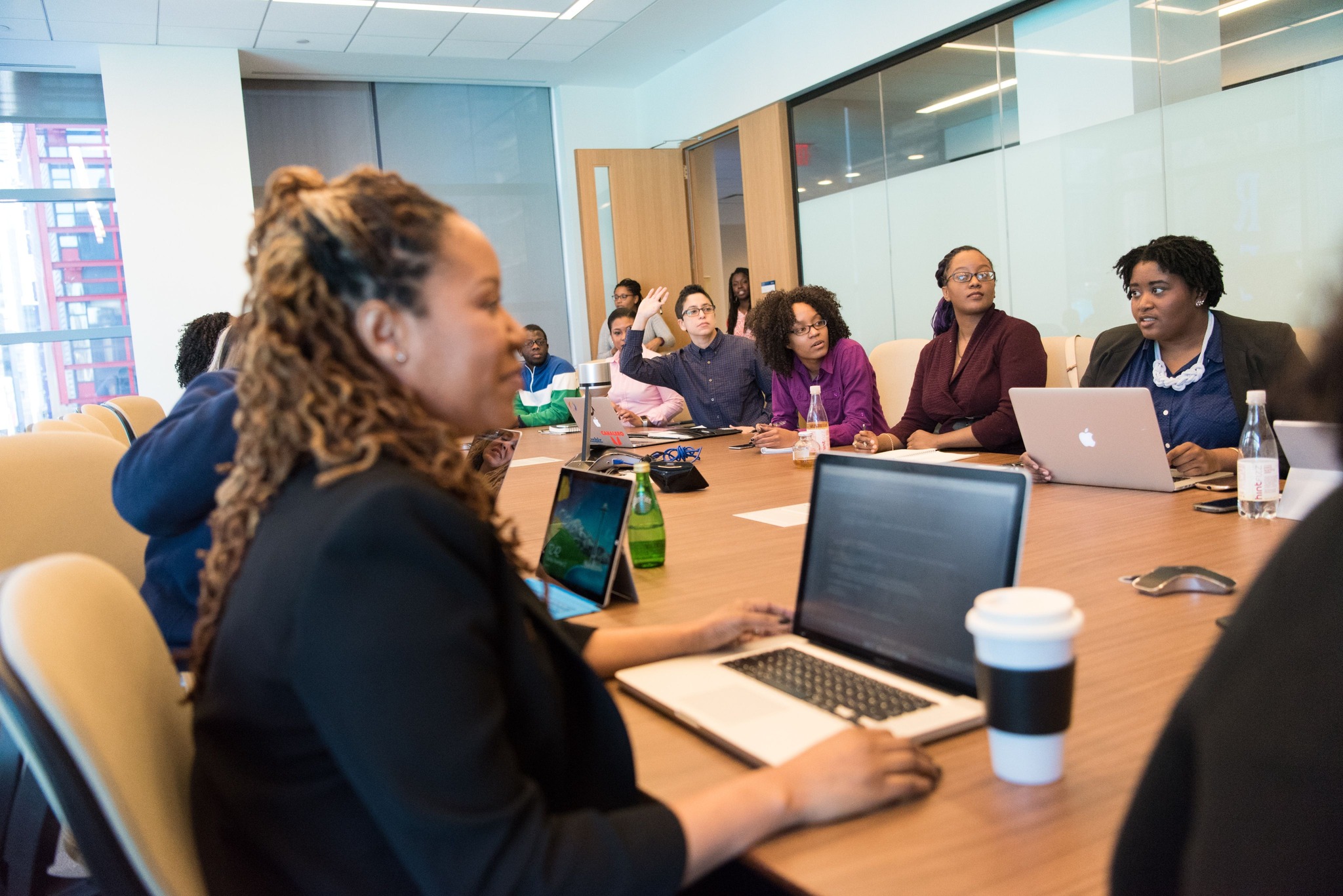
Imagine Canada is taking over the digital collective they helped found in 2022. (Imagine Canada/Supplied)
One of Canada’s largest charitable advocacy groups has taken over a digital collective it helped found two years ago.
Since its launch in March 2022, the Canadian Centre for Nonprofit Digital Resilience (CCNDR) has been operating as a collective, founded and stewarded by five organizations: Tamarack Institute, Digital Governance Council, NTEN, Imagine Canada, and SETSI.
In early April, Imagine Canada announced that it would now lead CCNDR’s day-to-day operations and launch the process of hiring an executive director and a new advisory council dedicated to CCNDR.
The original co-founders of CCNDR wanted to maintain their collaboration but recognized this goal often added an operational burden on staff when handling grants and projects through multiple organizations, said Bruce MacDonald, president and CEO of Imagine Canada.
Imagine Canada will continue to broaden CCNDR’s reach and have internal models of councils that may be replicated as CCNDR is absorbed.
“Imagine Canada will play the important roles of being a sector-wide host for CCNDR and integrating the work into Imagine Canada’s policy agenda,” said Liz Weaver, president and co-CEO of Tamarack Institute.
Two years in: what has CCNDR achieved?
Since its launch, CCNDR has hosted four working groups for the non-profit sector, focusing on cybersecurity, sector motivation, digital literacy, and mobilizing funders.
The collective was funded by Employment and Social Development Canada (ESDC) to work with youth employment non-profits on their digital and data readiness, a project led by the Digital Governance Council.
It has worked with the Edmonton-based charity IslamicFamily on a model cybersecurity policy for social services. It continues working with the immigrant and refugee-serving sector on its cybersecurity needs.
CCNDR is also conducting a national research project on digital skills in the non-profit sector, which is funded by the federal government’s Skills for Success program.
Multiple organizations originally funded the collective, including RBC, Okta, the Sonor Foundation and the Ontario Trillium Foundation (OTF). Some funders made multi-year commitments, and all but one will continue to support under the new operating model, MacDonald said.
“We thought if we made some short-term investments [in digital transformation], everything would be OK,” said Doug Gore, OTF’s partnership development lead.
“But then we did a little bit of research and realized that the [digital] divide is much greater than we think it is. It is decades long, and it is full of inequities.”
The research concluded that the non-profit sector needed a “galvanizing entity or voice” on digital transformation and resilience, which communities, organizations, funders, and government could all turn to.
OTF’s financial commitment to CCNDR is not program-specific but funds the entity’s operations, governance, and organizational development, Gore said.
“All of that kind of gnarly stuff that a lot of people won’t find.”
One of the challenges of running as a collective is that project contracts and funding need to flow through one of the five formally incorporated organizations that make up CCNDR.
Projects currently active and funded will continue to be managed by the original organization holding the contract, but the proposed Advisory Council will make decisions on future projects, MacDonald said.
Register for our member’s only webinar
Collectives in the non-profit sector: where do they work, and where do they fall short?
There are plenty of examples of non-profit collectives who work together but do not formalize as a legal entity or organization.
Nic Gagliardi, a non-profit governance and strategic planning consultant at Rise & Run, said communities of practice are often good examples. One example is the Equitable Recovery Collective, formed to determine a post-COVID plan for the non-profit sector.
The lack of formal administration in a collective allows for scalability, flexibility and adaptability, and the potential for more diverse voices to contribute to a discussion, they added.
“It can be a helpful way to bring public, private and non-profit players together without too much intersectoral awkwardness.”
On the other hand, maintaining “decentralized governance and operations” in a collective is often more complicated than it looks, Gore said.
“People need to find ways of being compensated for their time and effort. What typically happens is that we try [to form] collectives off the sides of our desks because it is not resourced,” he said.
In February, before it was announced that CCNDR would become part of Imagine Canada, all five original co-founding organizations of CCNDR said working in a collective gave them a degree of flexibility to learn from one another and pool resources.
“We’re all better together than we are trying to believe in competition, which is manufactured by capitalism and philanthropy,” said NTEN CEO Amy Sample Ward.
Simultaneously, they recognized that operating as a collective raised tensions and challenges.
“Employees have to work for an employer that is a legal entity and has a payroll,” said Cathy Barr, vice president of research and strategic partnerships at Imagine Canada.
Therefore, staff members dedicated to CCNDR have already had to be employed by one of the five founding organizations—including Katie Gibson, CCNDR’s first executive director, who was originally a Digital Governance Council staff member.
“The pre-launch work consisted of multiple design sessions and webinars, posting prototypes for public input, and 250 – yes, 250! – individual meetings,” Gibson said. “What we were trying to do was validate and refine our initial hypothesis that non-profits in Canada needed support for their digital enablement.”
“This happened conversation by conversation, convening by convening,” she added. “This all happened before we decided to launch.”
Although Gibson left her role as executive director in 2023, she said she is “gratified to see that more and more individuals and organizations are picking up the digital resilience mantle.”
“This was never about building an organization. It was about building a movement.”
While CCNDR still has several multi-year funding commitments, the co-founding organizations recognized that a collective’s lack of legal status can be a barrier. Organizations usually have to have legal status to apply for and hold funding, Barr said, which has been a challenge to navigate.
“There are so many grassroots initiatives or mutual aid initiatives where people just want to get going with the good stuff and not bother with a government tax status,” Sample Ward said. “Those places aren’t set up in our system to allow that good work to just get going.”
Collectives are crucial to building informal networks, relationships and infrastructure in the sector, Gore added. Funders, he said, often have “fidelity to our own investment models, [which] prevents us from actually being able to invest in these ecosystems and networks.”
CCNDR’s formalization within Imagine Canada and the new adjacent Advisory Council will still allow for a collaborative working process. Still, it will streamline funding applications, project contracts, and staff hiring processes.
Formal structures could strengthen CCNDR’s advocacy at critical time
“The need for non-profits to build digital resilience hasn’t gone away. If anything, it has become more acute,” Gibson says.
“How will our sector meet the challenge of responsible AI adoption? How will we protect ourselves from increasingly sophisticated cybersecurity attacks? What is our sector’s voice in technology policy making?”
For the five co-founders, much may have changed in technology companies and their products, but the challenges that non-profits fundamentally deal with are not materially different.
“Many non-profits do not have adequate or fully adopted policies that allow them to really do their work,” said Sample Ward.
Research by NTEN found that non-profits are still not receiving grants or donations specifically for the technology components of their budgets.
“If it’s left to whatever they can scrounge up, how much is that really going to be?”
Your job. Your mission. Your news.
With your support, the sector you're building gets the journalism it deserves, and you get a tax receipt.

Author

Related Articles

Food bank vending machine launches in 2 Vancouver SkyTrain stations
A new food preservation system is helping the Greater Vancouver Food Bank turn excess fruit into new funding.

Partnered Partnered content How construction contracts became the blueprint for social change in Manitoba
Manitoba is a leader in social procurement, with decades of partnerships among government, businesses and social enterprises that have shaped a model other communities can learn from.

Fires and floods: How Canada’s non-profits are responding to summer disasters
Several organizations have set up ways Canadians can help as more than 900 wildfires burn across the country
