Canada’s largest funder networks launch climate action pledge for grantmakers ahead of COP26
The Circle, Community Foundations of Canada (CFC), Environment Funders Canada (EFC) and Philanthropic Foundations Canada (PFC) announced the initiative on Oct. 7.
Why It Matters
Climate change is the largest existential threat to Canada (and the world), yet Canadian philanthropic contributions to fight climate change are miniscule. The climate threat will also affect the rest of the social impact sector’s goals, from fighting food insecurity to bridging digital divides.
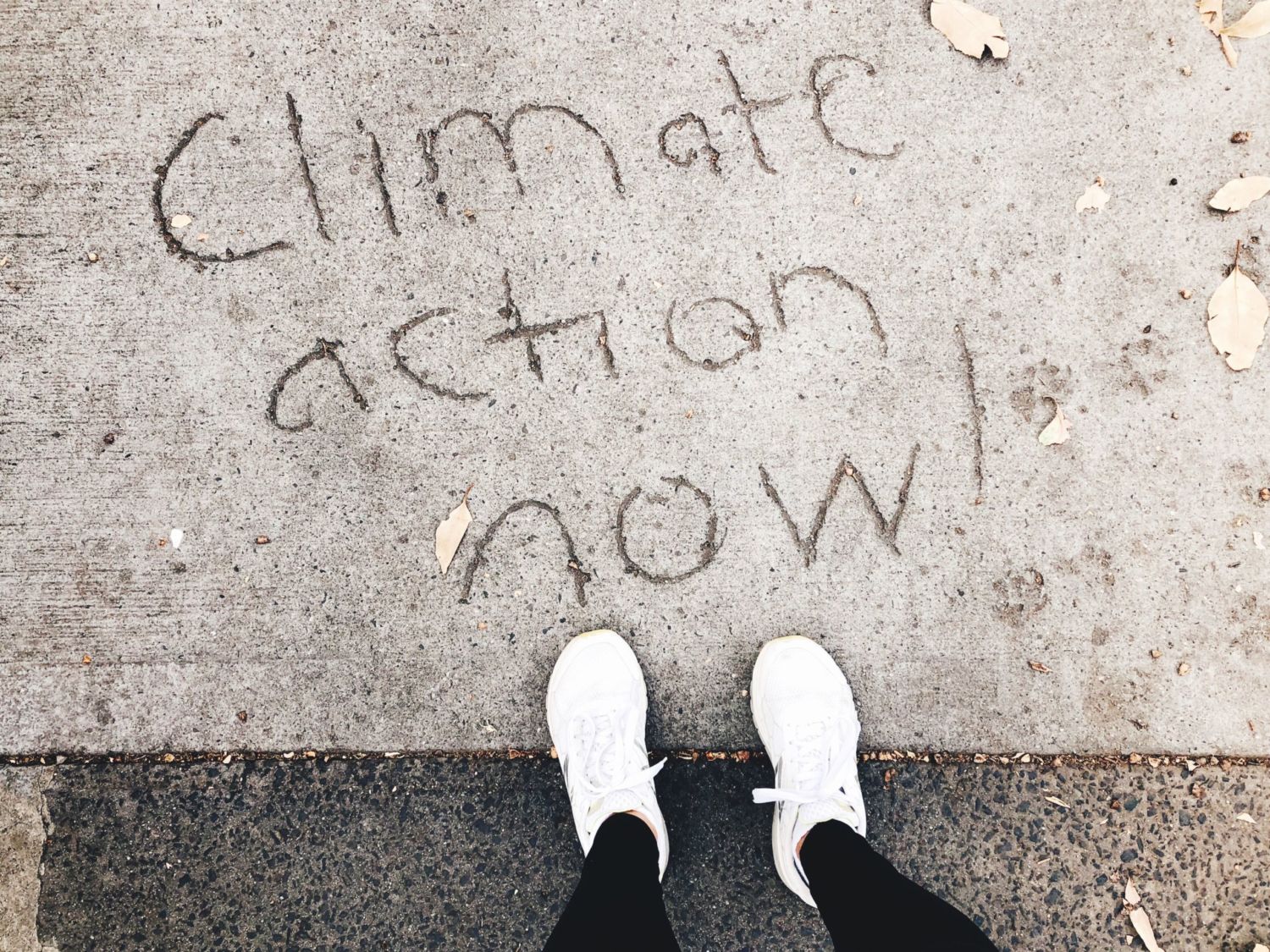
Four of Canada’s largest funder networks have launched a pledge calling for foundations and grantmakers to learn more about the climate crisis, consult with Indigenous leaders on climate action, and set carbon reduction targets for financial portfolios.
The Canadian Philanthropic Commitment on Climate Change launched its website on Oct. 7. It contains seven ‘pillars’ or types of actions, including education, committing resources to fight climate change, integrating climate change considerations into philanthropic work, and transparency. The Commitment was announced just a month before the UN Climate Change Conference (COP26) in Glasgow, Scotland – a way of urging Canadian grantmakers to step up.
“Canadian funders, to their credit, aren’t hesitant about climate change,” said Marie-Marguerite Sabongui, the Commitments national coordinator, in an interview with Future of Good. “I think they’re hesitant about their ability to play a role in addressing climate change. What we’re doing is providing them a pathway to do that and resources to support them in that journey.”
All seven of the pillars listed on the Commitment’s website are broadly worded, but each contain more specific recommendations listed on the Commitment’s implementation guide, organized from Level 1 (Getting Started) to Level 3 (Demonstrating Climate Leadership). For the Endowment and Assets pillar, they range from “looking into” how to embed climate change and reconciliation into investment policy statements to “considering” whether or not to spend down funds given the urgency of the climate crisis “to achieve a larger financial impact now.”
What is missing from the Commitment, however, are any hard numerical targets or benchmarks for signatories — unlike major climate agreements like the Paris Agreements. That was deliberate, according to several sector leaders involved in organizing the Commitment.
“We want it to be accessible,” said Devika Shah, executive director of Environment Funders Canada, in an interview with Future of Good. “If you make it too restrictive and you say, ‘you must hit this number’ – that often just ends the conversation.”
In fact, she said, Environment Funders Canada wasn’t even interested in the Commitment when it was first approached because of how it didn’t appear to be a fast-moving response to the climate crisis.
“Initially, we weren’t very interested because I feel that given the urgency of the issue, signing pledges is not going to get us very far,” Shah said.
What changed her mind was the realization that the Commitment wasn’t about reaching funders that are already entrenched in climate philanthropy — it was about reaching others in the sector to help them understand how they could help fight climate change.
Andrew Chunilall, CEO of Community Foundations of Canada, said bringing in grantmakers from all over Canada with varying endowments, missions, and locations will all need to be taken into account. Trying to shoehorn all of those different circumstances into one specific target would be tricky — and not something he feels the Commitment could do until it reaches more signatories.
“The pledge itself is something to sign onto and bring people in – and we want to bring as many people into this pledge as possible,” he said of the Commitment. “Once it’s established, it creates the environment for people to come together and have a discussion about what the targets should be.”
According to the Commitment’s press release, more than 35 different Canadian funders, charitable organizations, and Indigenous leaders helped design the initiative. The latter are particularly important to the Commitment.
“Indigenous leadership is fundamental to respond to the climate emergency,” said Kris Archie, CEO of The Circle, in the release. “Our stewardship emerged at the beginning of time and centres language, rights, and intergenerational responsibilities to all life, land, water and air. Today’s climate response has to uplift this wisdom and recognize Indigenous sovereignty.”
As of the afternoon of Oct. 7, no Canadian grantmakers have signed on to the Commitment. Its stated goal is collecting 100 signatories by June 2022. Shah said that is to be expected, given the pace of discussions that need to take place among the boards of foundations before signing on.
“We’re expecting the majority to sign on after COP26 because we know that time is required to have conversations,” she said.
Your job. Your mission. Your news.
With your support, the sector you're building gets the journalism it deserves, and you get a tax receipt.

Related Articles

Explainer: The divergent fix-it paths of Ontario and B.C.’s condo oversupply problem
Both provinces have too many tiny, shoebox condos, but both are taking different approaches to fixing it.

Elbows up: Spring Impact Capital calls for a giant spreadsheet of available early-stage Canadian capital
The Vancouver impact investor wants to crowd-source a free, national directory
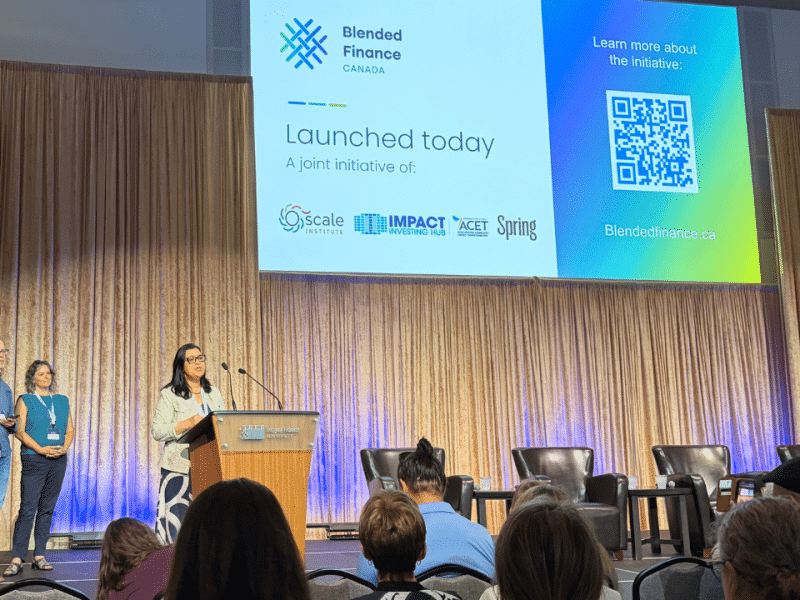
Blended Finance Canada launches on West Coast
The new initiative is supported by the University of Victoria, Scale Institute and Spring.
