Non-profits buying multi-floor condo units face fee duplication under CMHC insurance rules
Current CMHC loan insurance programs for multi-unit properties are limited to either full building acquisitions or acquisitions of units on the same floor. They do not cover acquisitions of several units spread across multiple floors of a condominium development.
Why It Matters
For Community Living Toronto and other non-profits supporting people with developmental disabilities, integrated living is key. However, mortgage insurance that is structured around the acquisition of entire buildings or units on a single floor furthers othering and stigmatization of the disability community.
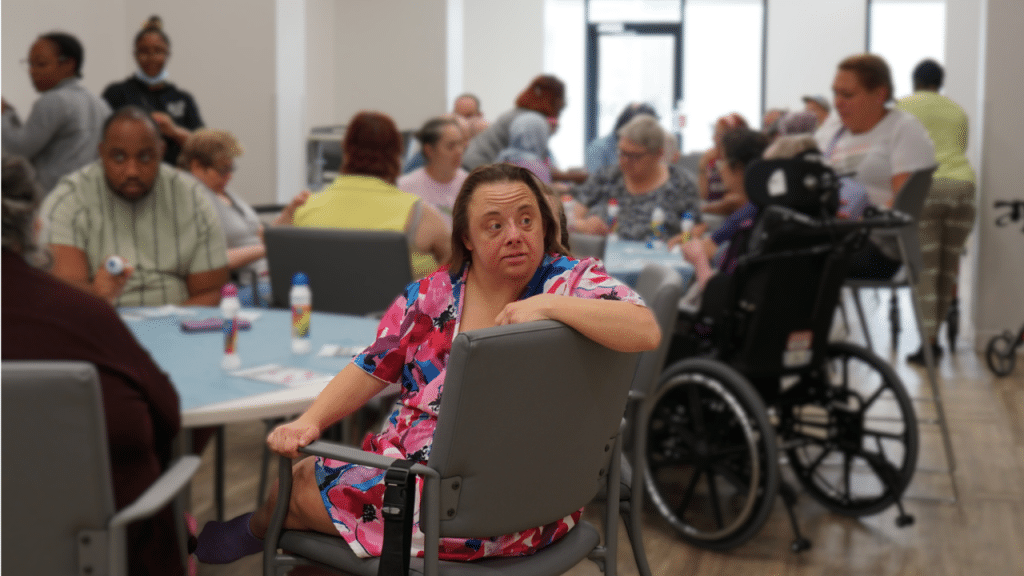
The structure of Canada Mortgage and Housing Corporation’s insurance makes it harder for non-market housing providers to buy units spread across several floors of condominium developments, says a Toronto charity.
Community Living Toronto (CLTO), which supports people with developmental disabilities, published a paper outlining proposed reforms to mortgage policy and mortgage insurance that would support non-market housing providers in acquiring scattered units.
Currently, non-market housing providers are taking out individual mortgages for each unit they acquire in a development, leading to thousands of dollars in duplicate legal, professional, and closing fees.
Treating each unit as an individual purchase adds both costs and time constraints, said Jonathan Bradshaw, CLTO’s director of advocacy and strategic partnerships.
If a particular non-profit is looking to buy 100 units in a building, the resulting closing costs per unit, including mortgage costs, can reach hundreds of thousands of dollars.
This, he added, hinders the full participation of the non-profit housing sector in buying units, especially as the condo market slows down in major Canadian cities.
The CMHC does provide a mortgage loan insurance product for multi-unit purchases, but acquisitions of units scattered across multiple floors of a condominium development do not qualify, Bradshaw found. Instead, the Multi-Unit Mortgage Loan Insurance (MU MLI) program insures entire buildings, or units on a single floor of a building.
Bradshaw, who said research for the paper took place over a year, added he has yet to receive a clear answer on why CHMC’s mortgage insurance is structured this way.
Future of Good reached out to CMHC to ask why MU MLI is structured for entire buildings or entire floors, and was told that the insurance product was designed under the National Housing Act.
“As a result, the intent of CMHC’s MU MLI is to support the construction, purchase and refinancing of purpose-build rental housing with five or more housing units, where all units and the structure are owned and operated by the borrower. This excludes the acquisition of individual units within a building,” a spokesperson for CMHC said over email.
An unintended consequence of this mortgage insurance framework, according to CLTO, is that supportive housing for people with developmental disabilities is cordoned off from others in the community, leading to integration challenges and risking further stigmatization.
Not only are people with developmental disabilities more likely to be in need of core housing, but it is also estimated that about 19 per cent of people in Toronto’s shelter system have an undiagnosed developmental disability, Bradshaw said.
CLTO, along with other non-profit housing providers, is often contacted by the City to acquire units in new developments, which have a certain proportion of homes reserved for affordable housing, Bradshaw said. Although CLTO does not house people in condo developments yet, it currently supports more than 170 individuals through supportive housing.
However, Bradshaw said non-profit housing organizations are not part of the conceptualization of new buildings.
“When we get offered these units, it’s already gone through the whole process of what the units are going to look like,” he said.
“The design phase, all that has already happened, and we’re being brought in towards the end of the process.”
According to Bradshaw, the mortgage insurance policy has not kept pace with the switch from building single-family homes to high-rise condo developments.
As the proportion of mixed-use, condominium developments grows in cities like Toronto, the CLTO also suggests embedding the principles of inclusive housing into condominium governance documents, such as by-laws and declarations.
A board seat might also be reserved for a non-profit housing provider, they added.
The CLTO is currently partnering with a private developer to repurpose five acres of land in Scarborough, transforming a former school building into five residential and mixed-use towers, wherein 20 per cent of the new units would be reserved for people supported by CLTO.
Your job. Your mission. Your news.
With your support, the sector you're building gets the journalism it deserves, and you get a tax receipt.

Author

Related Articles
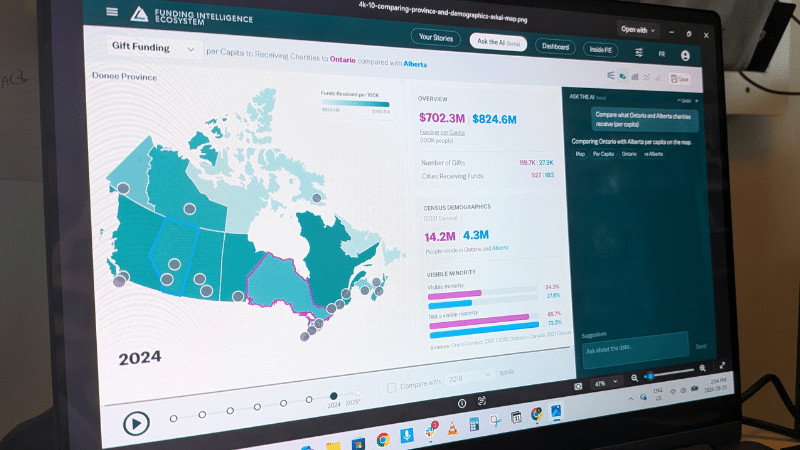
Imagine Canada launches visual tool to ‘see’ non-profit funding landscape
A new data visualization tool designed to let funders, non-profits and researchers understand the entire non-profit funding ecosystem
Deadline looms for non-profits, charities to report ‘foreign principals’ to Ottawa
Charities, non-profits and institutions must now register any arrangements with foreign principals working to effect government behaviour

Non-profit housing org pilots $20 million loan guarantee pool
Specifically developed for Nesting Ground’s portfolio of affordable housing properties, the non-profit is looking to grow the loan guarantee pool to $50 million in its second round.
