Ontario government abruptly ends youth funding program, leaving non-profits in lurch
“The issue we have with the ministry is the way in which they managed the end of the agreement.”
Why It Matters
Many funders have adopted trust-based philanthropy principles in recent years, working to respect grantees as equal partners, while providing clear and transparent communication. But a group of non-profits say the Ontario government and a private foundation failed to uphold this standard earlier this year — and that youth are the ones who will suffer.
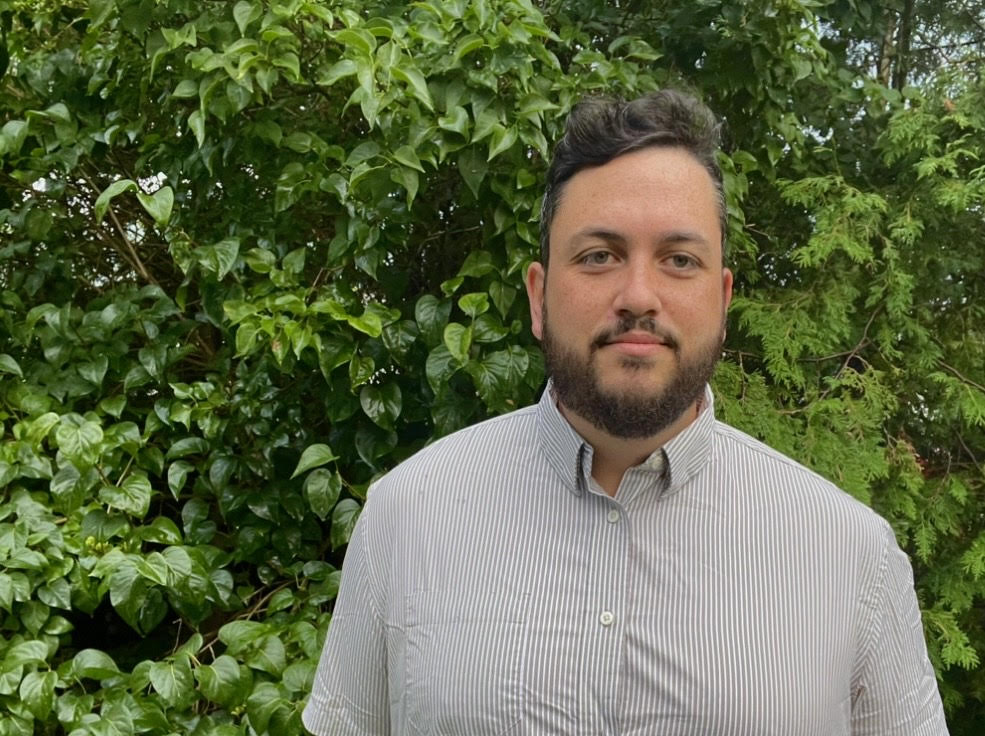
Justin Ford, CEO of non-profit CatalystsX Network Community Inc., was part of a collaborative impacted by the provincial government’s decision to end a youth funding program. Photo: Courtesy of Justin Ford
Youth-serving organizations say the Ontario government pulled the rug out from under them when it abruptly ended a years’ long support program — a blow that was compounded by how a private foundation chose to break the news to participants.
Last winter, dozens of social sector organizations learned the provincial government did not renew its contract with the Laidlaw Foundation, a private entity, to fund a youth collective impact program known as Youth CI, which supported groups of organizations working together to develop collaborative, youth-focused projects.
While funders regularly change priorities, Justin Ford, a member of a collaborative supported by the program and CEO of CatalystsX Network Community Incorporated, said this change was particularly painful because of the structure of the Youth CI program. In order to be eligible for a grant of up to $225,000 to implement their project, groups had to first pass through a series of program stages, which took several years.
The Northern Lights Collaborative, which Ford belongs to, is comprised of seven youth-serving organizations in Northern Ontario. They worked on their project for three-and-a-half years, only to be told months before they expected to receive implementation funding that the program would be wound down.
He compared the experience to being a student in a four-year degree program who’s told in the final semester that their program is cancelled. “It’s devastating on so many different levels,” he said.
Over the course of the program, Ford’s group received three grants totalling $86,740 — all aimed at preparing the group to implement their project. Funds were used to facilitate more than fifteen meetings with Youth CI-funded program coaches, who supported the group as it developed a sophisticated model for the impact they aimed to achieve, their theory of change, and how they would evaluate their work.
In between coaching sessions, the group was expected to complete homework that, while beneficial, was also funder-required, Ford said. “We invested into it as much as they invested into it. And for it to just be pulled away so abruptly, without any warning, is just difficult,” he added.
The Northern Lights Collaborative is one of at least three collectives, spanning more than a dozen youth-serving organizations across the province, that were at the final stage of the program only to be told their project would not be supported.
Kevin Klayman, a member of a Youth CI collaborative fostering youth employment in Toronto’s Jane and Finch community, estimated his collective spent about 1,000 hours working on their project, only to learn the program was winding down.
“Cancellation was always a possibility. But we thought it would be for new entrants going forward, as opposed to those of us who are three-and-a-half years in and about to launch our pilot projects,” he said.
The government’s decision comes at a time when many funders are implementing so-called trust-based philanthropy principles that prioritize “open, honest and transparent” communication with grantees. Ford said the actions of the Ministry of Children, Community and Social Services, as well as the Laidlaw Foundation, didn’t meet this bar.
A spokesperson for the Ministry said funding was provided through “time-limited funding agreements” and notice about the ministry’s decision not to renew the program was provided to the Laidlaw Foundation in alignment “with the terms of the agreement.”
The Laidlaw Foundation’s executive director acknowledges his organization made a “mistake” in how they managed the renewal process, but said the province bears some responsibility too.
In an emailed statement, Jehad Aliweiwi said over the foundation’s nine years working with the ministry, the program’s contract was usually renewed “at the last minute” and that for this agreement the foundation wrongly assumed the same would be true. “This is a mistake on our part and we should have managed the renewal expectations better.”
But he said the ministry also erred. “The issue we have with the ministry is the way in which they managed the end of the agreement…[they] could have provided Youth CI grantees with a sort of notice period to ensure orderly wind-down or to provide sufficient time to explore other funding sources and options,” he said.
Groups face uphill battle in finding replacement funding
Ford said in 2023 the Laidlaw Foundation provided his group with $25,000 — about nine per cent of their initial ask — to help wind down their work on the project. Two other groups that spoke with Future of Good received similar sums.
Ford is glad for the funds, but said they’re not nearly enough to continue employing the two part-time staff they’d hired to run their project and were subsequently laid-off.
He said the Northern Lights Collaborative is applying for other grants, but that the decision has “derailed” their work. He added the decision has been particularly devastating for youth in Northern Ontario, who are under-represented, under-funded and face more challenges than their southern peers.
The province’s decision also came at a terrible time, Ford said.
Collective impact projects, which support groups working on projects of mutual interest, were popular with some funders in the 2010s. But there is less funding available for them now, making it tougher for groups to replace the funds, Ford said.
Orlando Gomez, a member of a food justice-focused collective that was also on the cusp of receiving implementation funding, agreed it’s been difficult to find funding to fill the budget gap left by Youth CI.
But he’s hopeful other funders will see value in supporting projects like his, a project refined over three years, that leverages the best ideas, experiences and perspective of member organizations, including Black Creek Community Farms, Foodshare and Sundance Harvest.
Aliweiwi said his team has supported Youth CI organizations as they look for other funders. Foundations have a role to play in supporting collaboratives, but it’s government that must serve as the funding anchor on such projects, he added.
“In all, we believe the program created momentum and developed a strong ecosystem focused on well-designed collaborations. This requires permanent and dedicated funding sources. And the government is in the best position to do that,” he said.
In June, members of the Northern Lights Collaborative sent a letter to Michael Parsa, Minister of Children, Community and Social Services, asking the government to reinstate the program.
The group has yet to receive a response.
Your job. Your mission. Your news.
With your support, the sector you're building gets the journalism it deserves, and you get a tax receipt.

Related Articles

New donation platform to help communities directly pay down mosque debt
Own Your Masjid is a project of boutique marketing agency Process Plus Marketing

Explainer: The divergent fix-it paths of Ontario and B.C.’s condo oversupply problem
Both provinces have too many tiny, shoebox condos, but both are taking different approaches to fixing it.

Elbows up: Spring Impact Capital calls for a giant spreadsheet of available early-stage Canadian capital
The Vancouver impact investor wants to crowd-source a free, national directory
