Record 14.3 million volunteer hours recorded by Benevity clients in 2022
Some new clients logged upwards of 380,000 hours in their first year; existing clients also saw volunteer hours increase by 61 per cent
Why It Matters
Non-profits, charities and social purpose organizations across Canada are grappling with volunteer shortages. Engaging new volunteers in the workplace could help reinforce a sector grappling with a shortage of human resources.
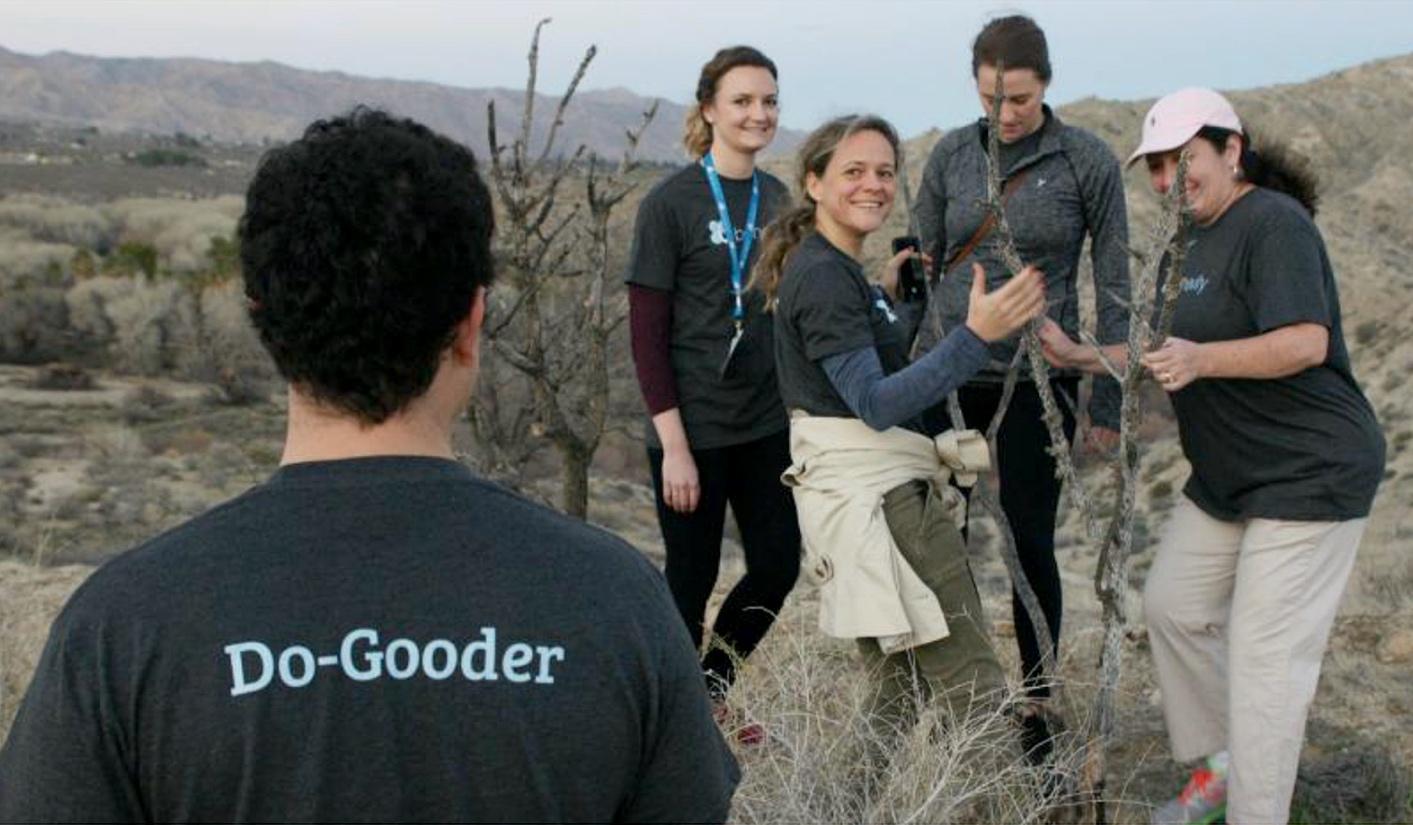
Supplied Photo
Volunteerism across Canada has plummeted to record lows, but one area might be bucking the trend. Benevity, a charitable donation-management and grant-management platform with nearly 1,000 corporate clients, recorded a record 14.3 million volunteer hours in 2022.
“Companies are leaning into volunteering to solve a lot of challenges that they’re currently faced with,” said Benevity’s chief impact officer, Sona Khosla. “Number one? Getting people back into the office.”
With many companies implementing hybrid work models that see staff spend some of their time working from home, volunteering can build cohesion, create meaningful connections between colleagues and make work more enjoyable, Khosla said.
“It’s not enough to just say, ‘Hey, come back and work from the office,’” she said.
“So I think it’s the business context that’s actually driving that disproportionate amount of engagement in volunteering.”
According to Statistics Canada data released late last year, more than 65 per cent of non-profits experienced a volunteer shortage in 2022, while a report by the Ontario Nonprofit Network found that 62 per cent of non-profits in that province actually lost volunteers last year. Charity Insights Canada also identified serious issues in the voluntary sector, noting 57 per cent of organizations they surveyed were having difficulty recruiting new volunteers.
Conversely, 86 per cent of Benevity’s clients now have active volunteering programs, representing a nearly 10 per cent annual increase. Some of Benevity’s new clients logged upwards of 380,000 hours in their first year; existing clients also saw volunteer hours increase by 61 per cent in 2022.
Toast, a cloud-based restaurant management platform, partnered with Benevity to formalize and expand its volunteer program last August. The company now has 50 local committee chairs around the world who organize group volunteering activities.
Susan Robinson, the company’s senior manager of corporate social responsibility, said employees are driven to give back to their communities, but that the pandemic has left people tired.
“That’s why we think it’s important to give Toasters an opportunity to do it within the work environment,” Robinson said. “They don’t have to set up a time to go. They don’t have to find time in their schedule. We just make it easy for them. Most of our volunteering is during the workday.”
Khosla said people’s desire to assist those impacted by the war in Ukraine also drove Benevity’s 2022 volunteer hours. Volunteer acts of kindness — small acts, like picking up garbage or delivering groceries, or learning events hosted by employee resource groups — have bolstered the number of hours corporate staff spent giving back as well.
“Volunteer acts of kindness are so interesting because they really emerged through the pandemic when we couldn’t volunteer traditionally,” she said. “I think we’ve learned about the power of small actions to drive meaningful change.”
These types of volunteer opportunities enable people to learn, take action or help others, and in many cases participants receive reward funds that can then be donated to a non-profit of their choice, Khosla said. Eighty-one per cent of Benevity’s clients with volunteering streams include volunteer acts of kindness in their programs.
Only virtual volunteering saw a decrease last year, she said. In 2022, 30 per cent of volunteering opportunities offered by Benevity clients were virtual compared to 44 per cent in 2021. While a return to in-person volunteering contributed to the decline, virtual volunteering remains far more popular than it was pre-pandemic when it sat around 12 per cent.
“When you think about volunteering, there are all these benefits to community well-being, to individual well-being, to society, but then also these business benefits,” Khosla said. “It’s solving a lot of problems and so it’s a powerful lever for business challenges, societal challenges, and also individual challenges.”
But while the number of volunteer hours is up, participation rates still haven’t returned to pre-pandemic levels. Khosla expects that to change this year and noted 74 per cent of companies are increasing their reliance on in-person volunteering to improve work culture and cohesion.
“I think volunteering is going to soar in the next year,” said Khosla. “I absolutely think 2023 will be the year of volunteering and that may continue into 2024, it’s just going to keep going up.”
Your job. Your mission. Your news.
With your support, the sector you're building gets the journalism it deserves, and you get a tax receipt.

Related Articles

Partnered Partnered content Report: Youth need consistent mentoring to help navigate the job market
Sometimes the hardest part of starting a career isn’t knowing what you want to do, it’s knowing how to get there. Mentor Canada’s newest report explores how mentoring can help young people build skills, connections and confidence as they navigate the transition to employment.

‘Canada must not go down that road’: More than 250 organizations demand investigation into CBSA after student protesters issued exclusion orders
The students were protesting after being denied post-graduation work permits they say they were eligible for when they enrolled at Portage College.

Partnered Partnered content How construction contracts became the blueprint for social change in Manitoba
Manitoba is a leader in social procurement, with decades of partnerships among government, businesses and social enterprises that have shaped a model other communities can learn from.
