Food-rescue groups turn to processing facilities to respond to waste and insecurity
New facilities in Ontario and Manitoba aim to turn surplus food into repurposed products while expanding access to food assistance.
Why It Matters
Second Harvest’s new Ontario plant and Harvest Manitoba’s planned facility reflect a growing focus on innovation and processing capacity to tackle food insecurity.

Food-rescue organizations are investing in processing facilities to meet growing demand while finding innovative ways to reduce waste.
Second Harvest estimates that Canada wastes about 46.5 per cent of its food.
In an effort to reduce this figure, the non-profit — which is one of Canada’s largest food-rescue organizations — announced the opening of a new facility that will work with local farmers to provide prepared fruits and vegetables to 28,000 students.
Located in the Etobicoke area of Toronto, the processing plant will begin operating later this month as a social enterprise, with revenue from the sale of its products being reinvested into Second Harvest’s programming.
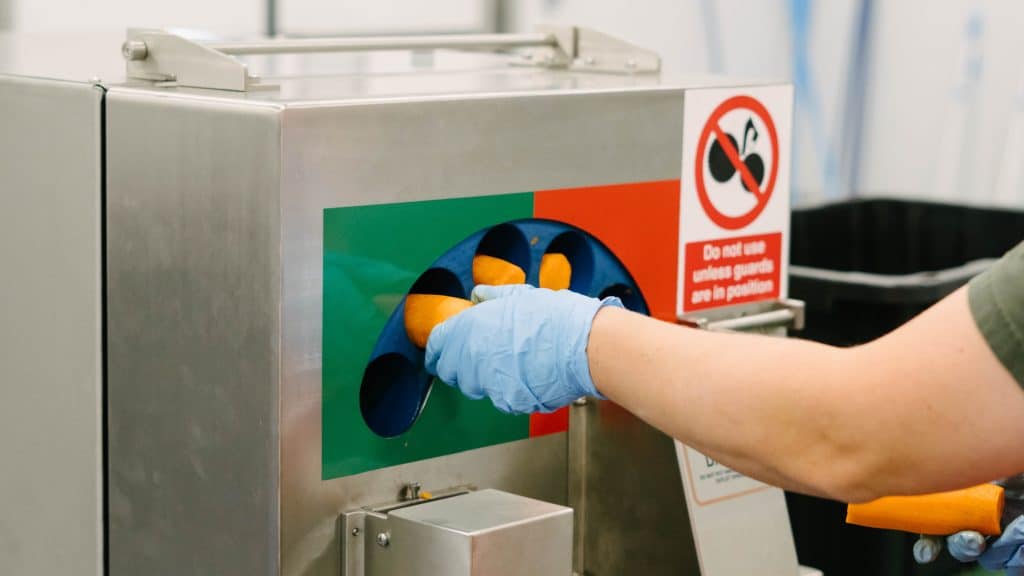
Carrots are fed through a machine at the new facility to be peeled and cut into sticks for students. (Second Harvest/Supplied.)
The launch of the processing facility comes at an important moment for Canada’s food system, according to Lori Nikkel, CEO of Second Harvest.
“The federal government’s newly announced National Food Security Strategy identifies increased domestic food-processing capacity, innovation and stronger food-system resilience as priorities for building a more self-sufficient Canadian food system,” she said.
“At the same time, Canada’s National School Food Program is expanding access to nutritious food for children across the country,” Nikkel added.
Students are at the centre of this announcement, with Second Harvest working in partnership with the Toronto Foundation for Student Success to deliver packaged vegetables to schools, saving student-nutrition programs hours of food-preparation time.
“The reality is that some programs don’t have enough volunteers or facilities to prepare foods like celery and carrot sticks. This will make those foods much more accessible,” said Catherine Parsonage, CEO of the Toronto Foundation for Student Success.
This school year, more than 440 schools in Toronto will receive the additional food through the partnership.
“As food prices continue to rise, many families in our city are food insecure. What this means is more kids are walking through the school doors hungry, and it’s vital that nutritious food is available for them,” Parsonage added.
Across Canada, non-profits are finding new ways to give surplus a second life.
In British Columbia, the Greater Vancouver Food Bank has begun repurposing excess fruits and vegetables for resale through vending machines, turning what might have been discarded into a source of revenue through its social enterprise model.
In Manitoba, a similar approach was announced this week, with Maple Leaf Foods investing $100,000 in Harvest Manitoba’s Food Transformation Centre.
The facility would increase Harvest Manitoba’s ability to recover and process surplus food and then distribute it through Harvest’s network of more than 400 food banks and community organizations.
The centre would also provide a permanent home for its Warehouse Training Program, which offers hands-on training and employment support to Manitobans facing barriers to employment.
Harvest Manitoba is currently looking for a site for the centre. If it secures enough funding, the facility would open in 2028.
Your job. Your mission. Your news.
With your support, the sector you're building gets the journalism it deserves, and you get a tax receipt.

Author

Related Articles
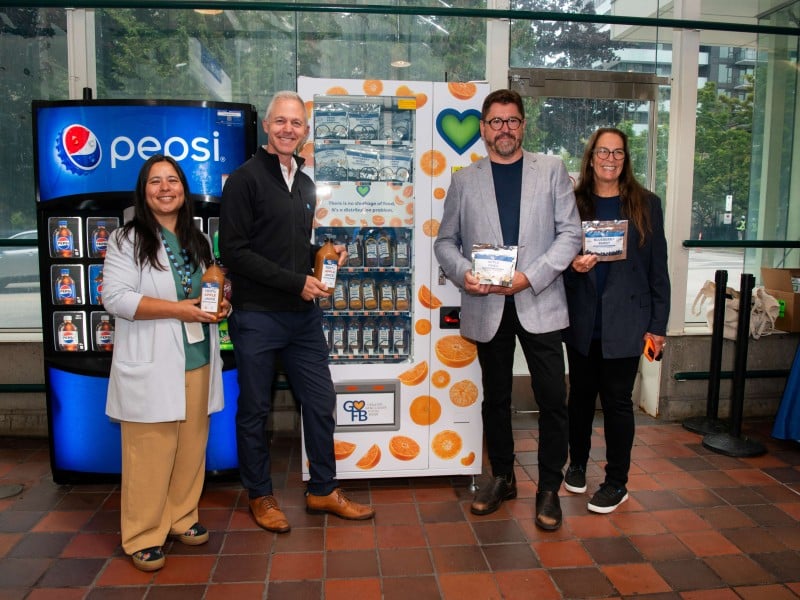
Food bank vending machine launches in 2 Vancouver SkyTrain stations
A new food preservation system is helping the Greater Vancouver Food Bank turn excess fruit into new funding.

Partnered Partnered content How construction contracts became the blueprint for social change in Manitoba
Manitoba is a leader in social procurement, with decades of partnerships among government, businesses and social enterprises that have shaped a model other communities can learn from.
Fires and floods: How Canada’s non-profits are responding to summer disasters
Several organizations have set up ways Canadians can help as more than 900 wildfires burn across the country
