Non-profit fundraising is uncertain in the face of COVID-19. These tips will keep you on track.
Insights from an industry leader
Why It Matters
In the midst of a lot of uncertainty in the non-profit world, dig into these practical insights from a leader in fundraising — Nejeed Kassam, founder of fast-growing fundraising platform Keela. If you’re looking to up your fundraising game in the coming weeks and months, these tips will be helpful.
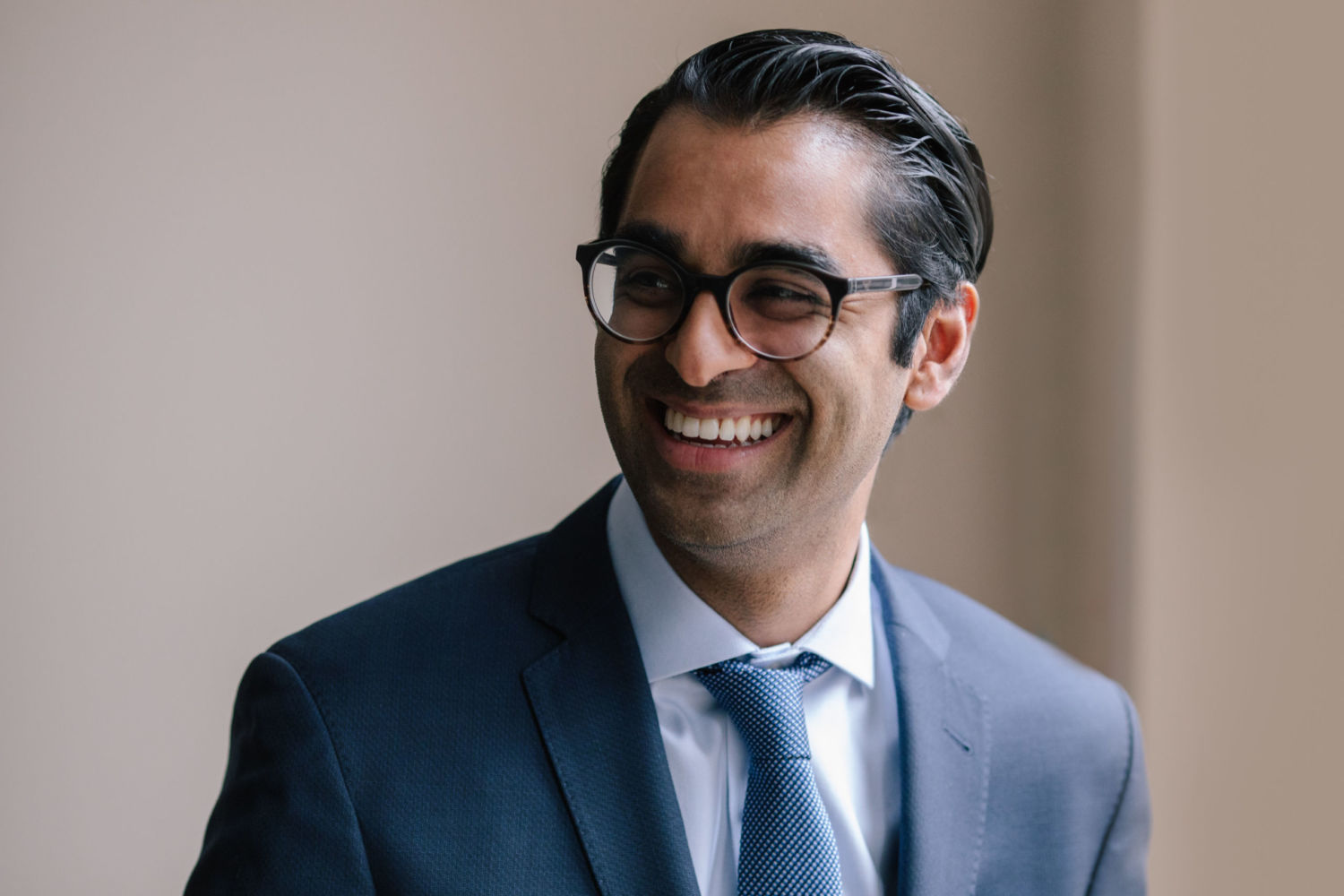
Nejeed Kassam has a unique vantage point in the non-profit world. The company he founded, Keela, offers non-profits a digital platform to organize, strategize, and execute their fundraising efforts. That means Kassam spends his days thinking deeply about how non-profits raise money, and how they can do it more efficiently. That is front and centre during the COVID-19 crisis.
But Keela wasn’t originally meant to be a fundraising platform. Kassam originally envisioned it as a project management tool that would help people working in non-profits collaborate to build programming.
After putting out a beta version and testing it among those doing the work day-to-day, he soon found that collaboration wasn’t their biggest problem in need of solving. It was capacity — the ability to manage fundraising tasks on a daily basis. “We went and talked to hundreds of organizations and said, ‘What are your core problems?’ And this is what came out,” he says.
Organizations also needed guidance on fundraising: “The way people solicit giving and the way people thank donors, for the longest time, this was the same. But what we’re in the midst of is a fundamental transformation in the way people give, why people give, the way giving relationships are stewarded. We find ourselves in the middle of this crest of change.” He decided to shift Keela’s offerings toward systems for managing communication with donors, organize donor databases, and use sector data to make informed decisions about fundraising strategies.
Still, the name Keela harkens back to Kassam’s original intent of fostering collaboration — it’s a reference to the Swahili term kila, which translates to “all.”
What we’re in the midst of is a fundamental transformation in the way people give, why people give, the way giving relationships are stewarded.
Kassam’s parents both emigrated from Tanzania to the UK as kids in the 1970s, during a time when South Asian people living in East Africa were facing persecution. After later settling in Vancouver, Kassam was born “without a worry in the world,” he says. But his parents’ journey instilled a deep sense of responsibility in him. “As kids, my parents did a really good job of teaching the importance of community. Not only did we partake in it, not only did we benefit from it, but we had a responsibility to build it.”
And through building and engaging with the Keela community, which includes charity and non-profit customers like the Vancouver Metropolitan Orchestra, the Calgary Wildlife Rehabilitation Society, and the Yellow Door Foundation, he’s noticed a few key patterns when it comes to fundraising for social impact work in Canada.
Who gives is changing
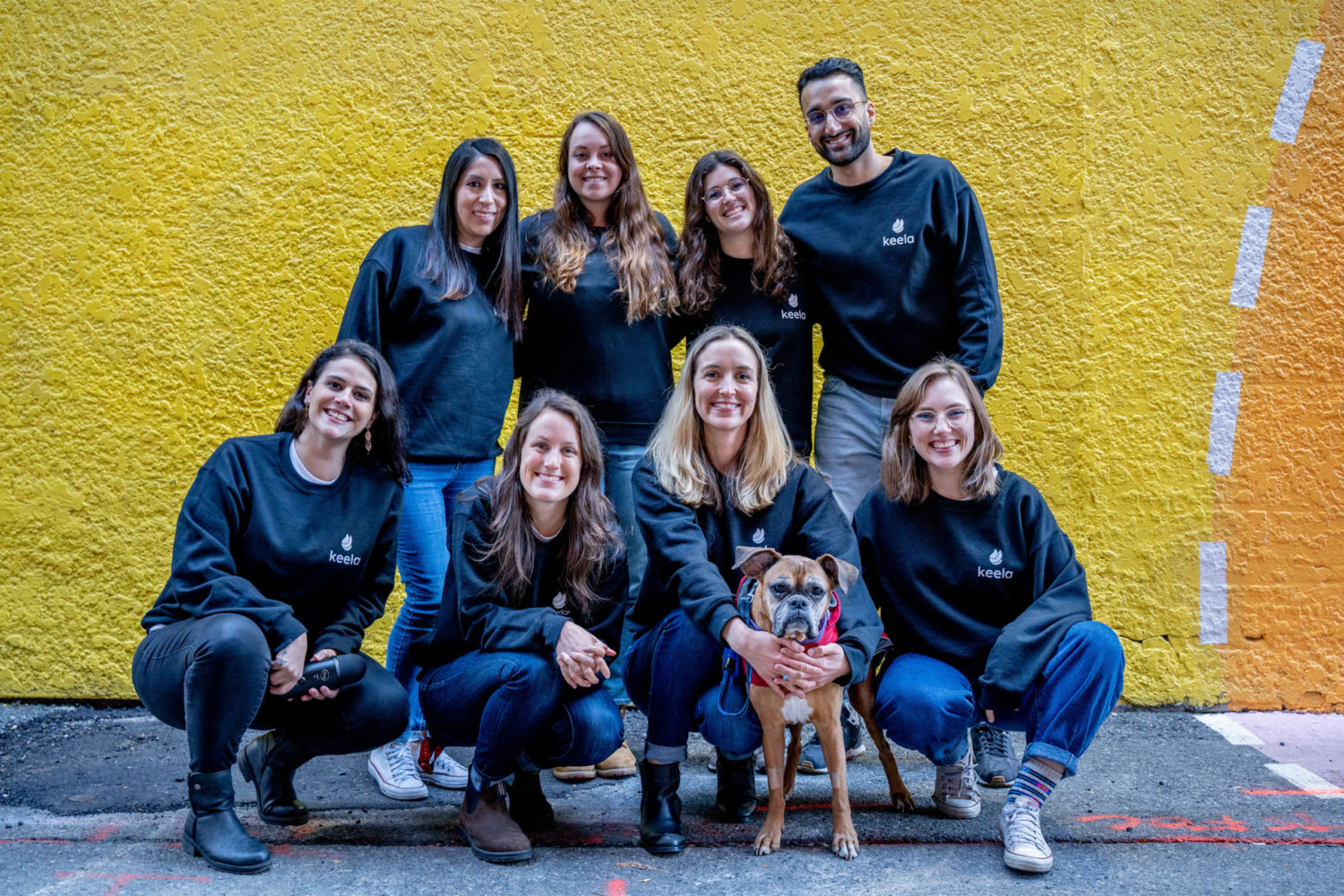
First of all, Kassam says, it’s important to understand how the demographics of donors are changing.
“Wealth and the power that comes with it is transferring,” Kassam says. “We are in the midst of the largest transfer of wealth in human history. Younger generations are inheriting wealth and they approach giving with a completely different paradigm. These younger generations want to give, but it will be done in a completely different way.”
The tools we use to donate are changing
“People are giving online,” Kassam says. While digital giving isn’t the majority yet, he says, it’s getting close to it. “Our generation is giving with a credit card, and it’s giving online, and it’s giving on mobile… all of these changes are fundamentally changing how our sector is dealing with software. You cannot function without a donation page on your website,” he says, for example.
Another example is that younger generations expect receipts emailed to them, whereas previous generations preferred mailed receipts. All these shifts present logistical and capacity-related concerns for organizations.
How often we give to the same organization is changing
Older generations generally gave to the same organizations, Kassam says. “There was a habitualization of giving,” he says. “It’s like, ‘Every year I make a $100 donation. It’s just what I do as a human.’ So organizations could more or less rely on this steady stream of giving.”
The next generation does things differently — they’re more motivated by specific, timely causes. Kassam says this is why we’re seeing the rise of crowdfunding: “It’s one campaign, it’s one cause, it’s one person,” he says. “They gave, they engaged, they felt part of something, and then they’re going to move onto the next thing they feel part of.” That means less donor retention, and a challenge for organizations when it comes to relying on consistent funding.
This is why we’re seeing the rise of crowdfunding: “It’s one campaign, it’s one cause, it’s one person,”
The sector can learn from crowdfunding
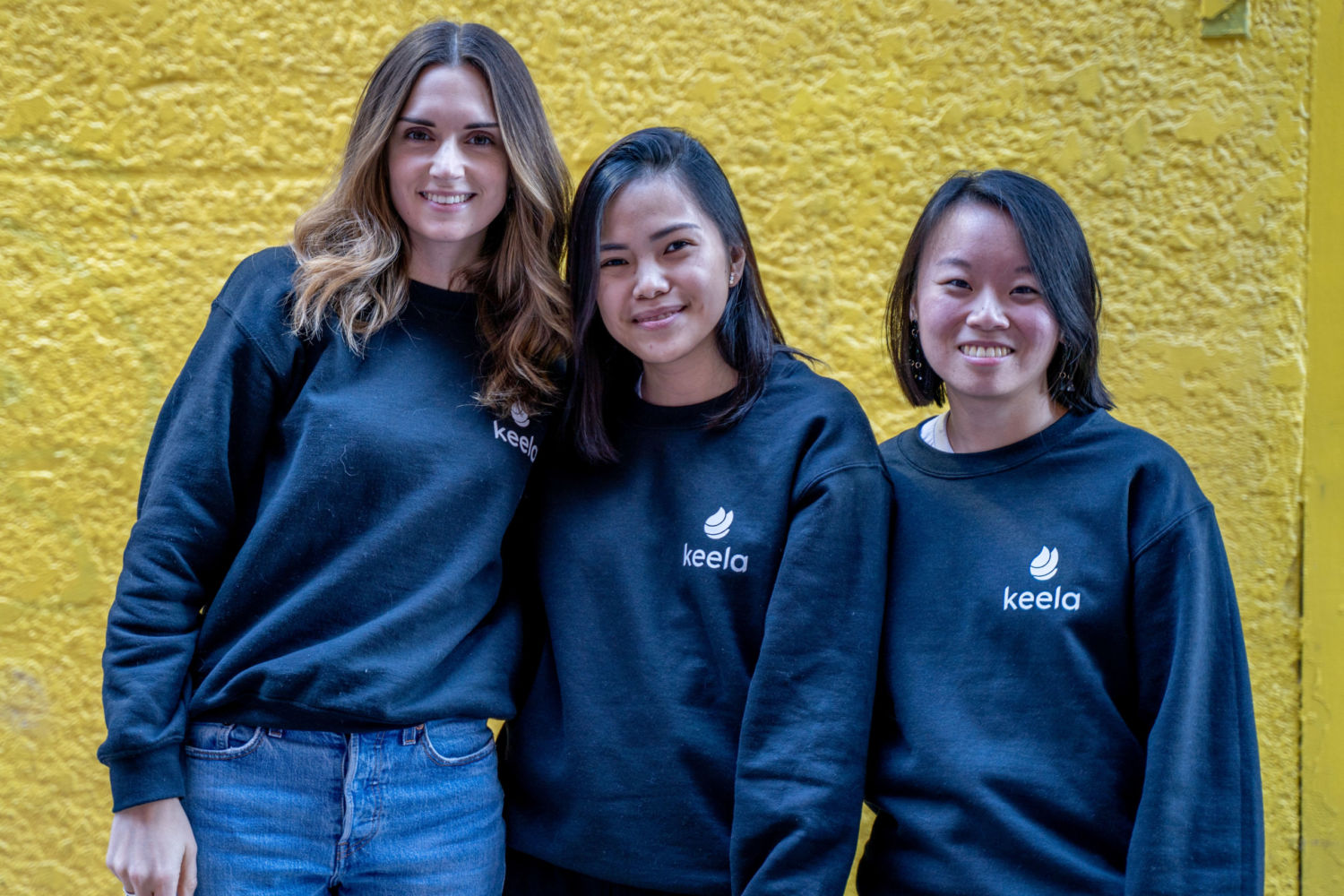
Kassam says that while the rise of crowdfunding for causes not necessarily tied to registered charities or non-profits could be cause for concern, it also presents an opportunity to learn from this rapidly growing fundraising method.
Organizations need to understand how to steward relationships with different types of donors, Kassam says — recognizing that a younger donor might be less inclined to donate more than once but more inclined to share a campaign among their network, for instance.
Charities and non-profits should also take cues from crowdfunding campaigns about developing messaging that connects with donors on an emotional level. “I also think it’s important… when organizations are doing great work, that they show the value of their work, that they tell the stories of the change they’re making, because that’s a big driver in [donor retention].” Organizations should make donors feel personally connected to either the beneficiary or to the charity itself, he says, because young people donate when they feel a personal connection to a cause.
Data can help you
Over the past couple years, Kassam started to become more and more convinced that data could help non-profit organizations make better decisions. But that’s not an easy idea to sell in the non-profit world: “Our customers are brilliant at what they do, but many of them are not huge fans of technology… so, telling them, ‘Data is your future,’ is a bit crazy, to be honest.”
Two years later, data — predictions and insights on the sector — are at the core of Keela 2.0, which launched in January 2020.
And he’s seen the benefits. Data “helps to promote making better decisions, stewarding effectively, engaging donors in the right way at the right time for the right amounts — data will help, not entirely tell the story, but help tell the story.”
Our team is working around the clock to deliver insightful stories, analysis, and commentary on the effects of COVID-19 on the social impact world. If you like our content, please consider becoming a member. Start a 14-day free trial now.
Your job. Your mission. Your news.
With your support, the sector you're building gets the journalism it deserves, and you get a tax receipt.

Related Articles
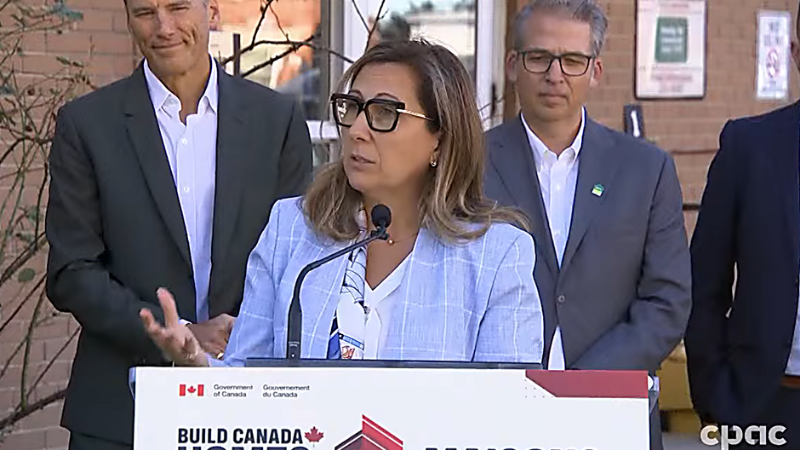
Ottawa chooses Canadian Housing Acquisition Fund to manage $1.5 billion affordable housing money
The massive new fund will help grant Indigenous, cooperative and non-profit housing providers easier access to capital to help buy and develop homes for lower-income Canadians.

New donation platform to help communities directly pay down mosque debt
Own Your Masjid is a project of boutique marketing agency Process Plus Marketing

Explainer: The divergent fix-it paths of Ontario and B.C.’s condo oversupply problem
Both provinces have too many tiny, shoebox condos, but both are taking different approaches to fixing it.
