Province-wide pet-friendly rentals could reduce homelessness: B.C. advocates
B.C. advocates urge the provincial government to prohibit pet bans in tenancy agreements.
Why It Matters
Pet restrictions in rental housing are contributing to both homelessness and increased demand for social services. Advocates say changing the law could help keep people housed, reduce pet surrenders and ease pressure on non-profits across B.C..

Advocates are calling on the provincial government to make a change to the B.C. Residential Tenancy Act (RTA) to allow pets in all multi-unit rentals.
A lack of pet-friendly rentals in B.C. forces many residents to make the difficult decision between housing and their pets, according to Sarah Marsden of First United Church.
“We’re already in a housing crisis in B.C. – people are becoming homeless, people are becoming displaced, a lot of folks are having a hard time finding secure housing,” said Marsden, the church’s director of systems change and legal.
“When they have pets, it’s even harder.”
First United is a low-barrier non-profit service provider that operates in Vancouver’s downtown eastside, an area with the highest proportion of homelessness residents in the city.
The organization runs BC Eviction Mapping, a tool that highlights the reasons people are removed from their homes.
“We see so many cases where people are saying they can’t stay in their community … because I have a pet, I couldn’t find a place.”
Not allowing pets in rentals doesn’t make sense when the data is examined, she said.
“Landlords and housing providers should be more confident about housing people and their pets together, knowing that over 82 per cent of pet damage claims in the past eight years were fully covered by the pet deposits,” said Marsden.
Housing challenges are one of the primary reasons people are forced to surrender their healthy pets, according to the BC SPCA.
“Since 2014, we’ve had over 12,400 animals surrendered for housing reasons. And those are only the animals that come to the BC SPCA. So that doesn’t count animals that went to other shelters or animal welfare organizations, animals that were rehomed privately, or sadly, animals that were abandoned as strays,” said Sarah Herring, government relations officer for the BC SPCA.
Herring believes the no-pet policy many landlords have has become “the default.”
“It’s incredibly heartbreaking,” said Herring.
“The last day of the month is typically the busiest for surrender requests because people have just exhausted every other possible option they have,” she said.
Election promise
Changing the Residential Tenancy Act was a promise made by the current NDP government during the last election.
First United Church submitted recommendations to amend the RTA to prohibit pet restrictions on March 17.
According to a provincial spokesperson, the government is exploring options for pet policies in purpose-built rentals, which they recognize impact young people, seniors and people living with disabilities the most.
However, the spokesperson said the province also needs to consider landlords’ concerns about property damage, noise, health and safety.
Ontario is the only province in Canada to prohibit no-pet clauses, but advocates say that doesn’t stop some from trying.
“Despite this, it is extremely common for Ontario landlords to include no pet provisions anyways, hoping to take advantage of tenants who are not aware of their rights or are worried about causing an issue with their landlord,” said Mason Fitzpatrick, director of communications for the Federation of Metro Tenants’ Association.
He points to financial penalties for landlords who violate no-pet clauses as a possible next step.
According to Marsden, moves to prohibit no-pet clauses are underway in the U.K. and Australia, signalling a potential shift in housing policy.
“Right now we’re in a situation where we end up with homeless people or homeless pets because landlords are allowed to have pet bans,” said Marsden.
“It’s just a very straightforward step that we see, initially, for buildings with five units or more that we think would make a difference immediately in the housing crisis.”
Your job. Your mission. Your news.
With your support, the sector you're building gets the journalism it deserves, and you get a tax receipt.

Author

Related Articles

Explainer: The divergent fix-it paths of Ontario and B.C.’s condo oversupply problem
Both provinces have too many tiny, shoebox condos, but both are taking different approaches to fixing it.

‘Canada must not go down that road’: More than 250 organizations demand investigation into CBSA after student protesters issued exclusion orders
The students were protesting after being denied post-graduation work permits they say they were eligible for when they enrolled at Portage College.
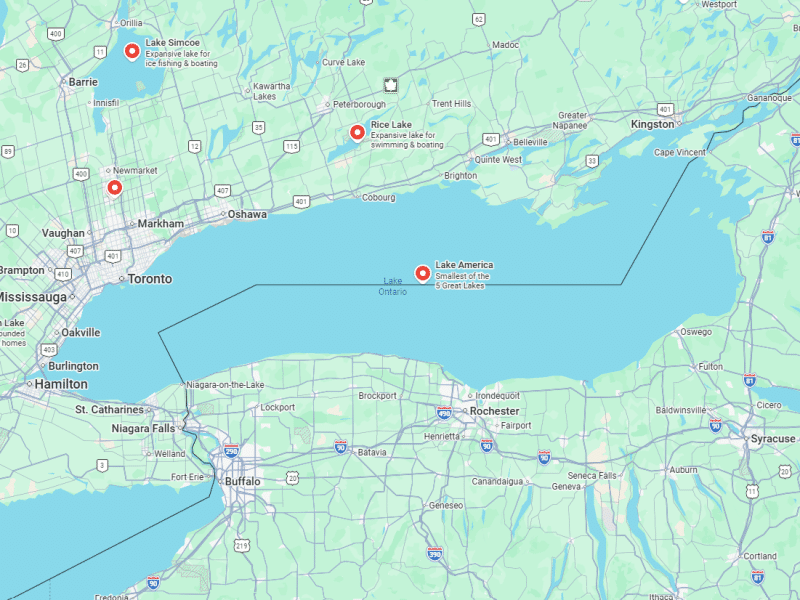
Trump’s ‘renaming’ of Lake Ontario is emblematic of centuries of colonial erasure
Why a single renaming order taps into deeper fights over land and language
