Amnesty International Canada joins Saskatchewan transgender rights case before the Supreme Court
Bill 137 requires students under 16 to have parental consent before educators can use their gender-affirming names and pronouns in classrooms.
Why It Matters
There has been a rise in the use of the notwithstanding clause in Canada. Advocates say the trend threatens Charter-protected rights and weakens judicial oversight.
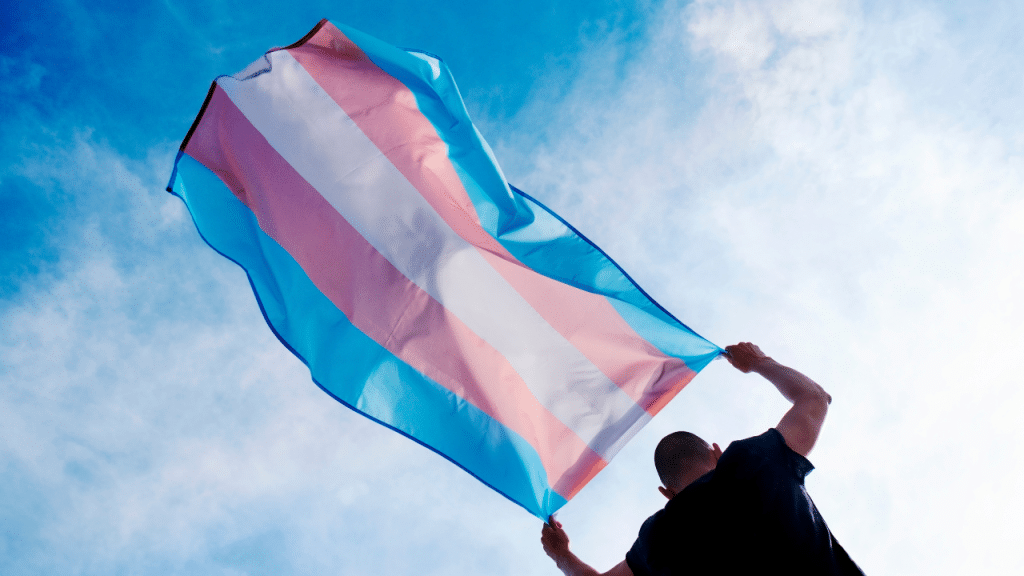
Amnesty International Canada is joining 21 other organizations in a constitutional challenge of Saskatchewan’s ‘Parents’ Bill of Rights’ currently before the Supreme Court of Canada. (Canva/Supplied)
Amnesty International says they will join nearly two dozen groups in arguing a case involving trans youth in Saskatchewan about to go before the Supreme Court.
The constitutional challenge is being brought by the UR Pride Centre for Sexuality and Gender Diversity, which is challenging Bill 137, also known as “The Parents’ Bill of Rights.”
The Bill requires students under 16 to obtain parental consent before teachers and other education workers can use their gender-affirming names and pronouns at school.
“UR Pride’s challenge to the Saskatchewan government is a powerful example of resistance — and a bright ray of hope — at a moment when hard-won rights are under attack from many sides,” Ketty Nivyabandi, Secretary General of Amnesty International Canada’s English-speaking section said.
The UR Pride Centre for Sexuality and Gender Diversity is asking the Saskatchewan courts to declare that the law, passed in October of 2023, violates the Canadian Charter of Rights and Freedoms.
The Saskatchewan government has tried to shut down the case, arguing that its use of the notwithstanding clause prevents courts from considering whether the law violates the Charter.
“Parents should always be involved in important decisions involving their children,” Education Minister Jeremy Cockrill said in a 2023 press release when the Bill was first introduced.
Amnesty International Canada will file a written submission of up to ten pages, arguing the law has major implications for trans youth in Saskatchewan and anyone else seeking protection when governments threaten their Charter rights.
Twenty-one other organizations have been granted intervenor status by the Supreme Court in the case.
“We at Amnesty International Canada are pleased to participate in a court case that promises to have major implications for the protection of human rights across Canada, starting with the rights of trans youth in Saskatchewan,” said Nivyabandi.
“We will be clear throughout our intervention and our public advocacy: the notwithstanding clause does not erase people’s Charter rights, nor does it extinguish their right to seek justice when those rights have been violated.”
Amnesty International Canada also served as a judicial intervenor when the case was before the Court of Appeal for Saskatchewan in 2024.
At the time, Amnesty argued in a written submission that the interpretation of the notwithstanding clause must align with Canada’s obligations under international law to uphold the right to an effective remedy.
No date has been set for the hearing.
The appeal comes amid a rise in the use of the notwithstanding clause in Canada.
Alberta’s government used the notwithstanding clause twice in the fall of 2025, once to order striking teachers back to work, and again to protect three previously passed laws affecting the rights of transgender Albertans.
Your job. Your mission. Your news.
With your support, the sector you're building gets the journalism it deserves, and you get a tax receipt.

Author

Related Articles

Caste, corruption, and the collective: Crow’s Theatre’s A Fine Balance confronts India’s enduring inequities with humour and heartbreak
The Giller Prize-winning novel explores the realities of caste violence in India, which has been adapted into a powerful stage production in Toronto.
‘Canada must not go down that road’: More than 250 organizations demand investigation into CBSA after student protesters issued exclusion orders
The students were protesting after being denied post-graduation work permits they say they were eligible for when they enrolled at Portage College.

Half of Filipino immigrants to Canada are overqualified for their jobs: StatCan
‘For the relationship that Canada has with the Philippines, it seems like it’s lopsided.’
