Controversial Palestine exhibit opens at Canadian Museum for Human Rights
The exhibit, called Palestine Uprooted: Nakba Past and Present, drew criticism even before it opened at the national museum in Winnipeg.
Why It Matters
The CMHR’s decision to foreground Palestinian displacement has reignited long‑standing tensions over representation, historical framing, and whose experiences are centred in the national human rights institution. The controversy underscores how museums are increasingly becoming battlegrounds for public memory, political identity, and community trust.
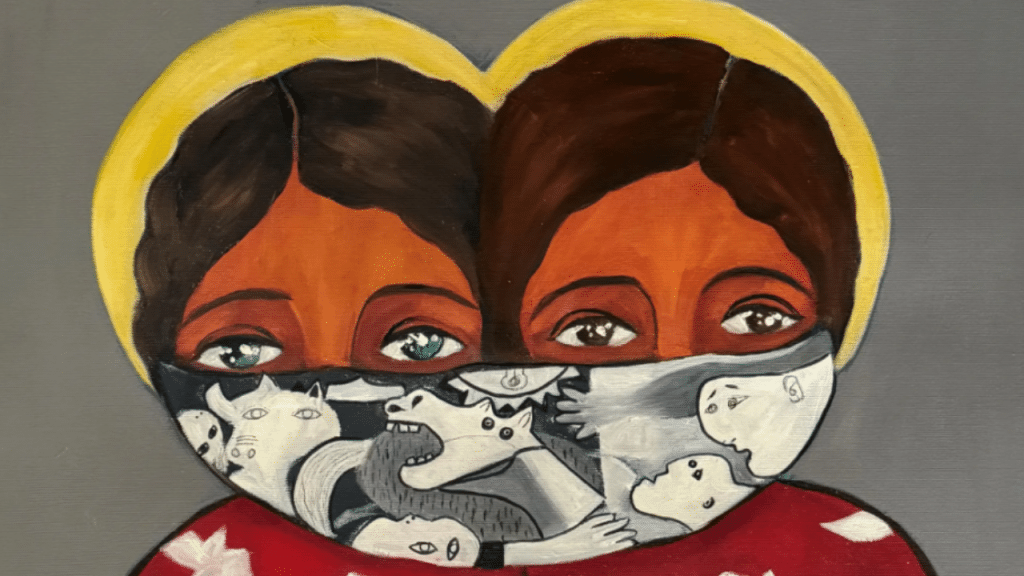
A controversial museum exhibit that drew ire from some members of Canada’s Jewish community before it even opened to the public welcomed its first visitors on Saturday.
Palestine Uprooted: Nakba Past and Present will explore the human rights violations happening during the continuing forced displacement of Palestinians in Israel and Gaza.
“Palestinians use the term al‐Nakba — Arabic for ‘the catastrophe’ — to describe their mass displacement in 1948,” reads a preview of the exhibition.
“For many, this uprooting is not a closed chapter of history. It is an experience that endures, shaped by wars, military occupation and violations of human rights across five generations.”
A trustee for the CMHR resigned earlier this week after he disagreed with the board’s decision to showcase the exhibit.
In a letter sent to Marc Millar, the federal heritage minister, Mark Berlin says the museum is showcasing “ideology” instead of history.
“Presenting the Palestinian displacement of 1948 without its proper historical and political context offers a narrow, one-sided argument of history that can only deepen the distrust and animosity that currently exists between Jews and Muslims in this country.”
The exhibit is one-sided, claimed Berlin, and therefore drives further division and “hostility towards Jews in Canada.”
However, the museum told Canadians to see the exhibit for themselves before passing judgment.
“This exhibit has been in development for more than four years, and was initiated after we identified that Palestinian Canadian voices were underrepresented in our galleries,” the museum said in social media posts.
“Focusing this one exhibit on the human rights volations faced by Palestinian Canadians does not negate the human rights violations faced by Jewish people or the devestating effects of antisemitism being faced today.”
The museum said concerns about “foreign interference” are unfounded, noting that 186 dignitaries from 46 countries have visited the CMHR in the past two years, all with their own points of view.
“We regularly receive opinions and feedback about content, however we always exercise curatorial independence.”
The exhibit showcases testimonials, art, crafts and lived history, according to the museum.
Ongoing debate
The CMHR has been a source of tension in various ethnic and religious communities since it opened in 2014. Originally conceived as a museum to educate the public about the Jewish community and the Holocaust, it expanded into a museum showcasing past and present human rights violations both in Canada and around the world.
Holocaust and antisemitism education have always been a main focus of the museum and will continue to be so, said curators.
The museum drew criticism in 2020 from 2SLGBTQ+ groups after some local school administrators requested programming that deliberately excluded 2SLGBTQ+ content.
The museum apologized and promised a review and swift action. A week later, former President & CEO Dr. John Young stepped down amid said allegations of discrimination against the 2SLGBTQ+ community, as well as allegations of systemic racism and claims of sexual harassment by museum staff that were not escalated to the board.
The museum implemented a diversity and inclusion committee, and Isha Khan was appointed as the new CEO.
And before the museum opened, Indigenous leaders criticized how they were engaged with and treated while it was being built.
Nearly 600,000 Indigenous artifacts were uncovered during the year-long excavation, even though only two per cent of the soil removed was ever sifted, said critics.
“(It was) the worst case of legal destruction of the rich heritage that I have had the misfortune to witness,” said Leigh Syms, former archaeology curator at the Manitoba Museum, in The Idea of a Human Rights Museum.
Your job. Your mission. Your news.
With your support, the sector you're building gets the journalism it deserves, and you get a tax receipt.

Author

Related Articles
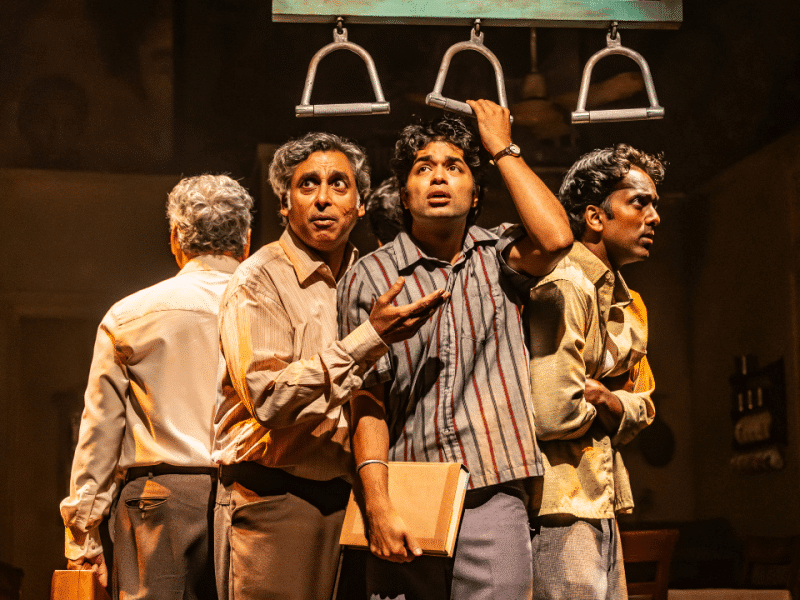
Caste, corruption, and the collective: Crow’s Theatre’s A Fine Balance confronts India’s enduring inequities with humour and heartbreak
The Giller Prize-winning novel explores the realities of caste violence in India, which has been adapted into a powerful stage production in Toronto.
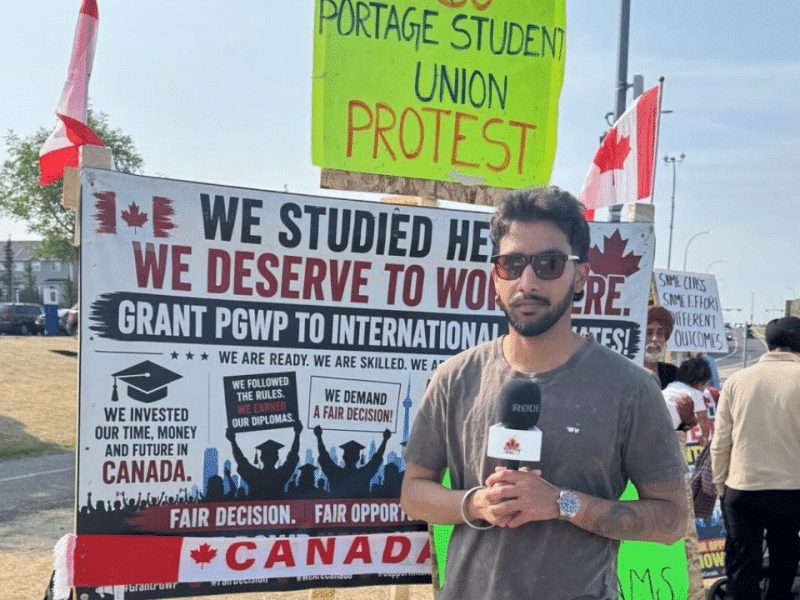
‘Canada must not go down that road’: More than 250 organizations demand investigation into CBSA after student protesters issued exclusion orders
The students were protesting after being denied post-graduation work permits they say they were eligible for when they enrolled at Portage College.
Half of Filipino immigrants to Canada are overqualified for their jobs: StatCan
‘For the relationship that Canada has with the Philippines, it seems like it’s lopsided.’
