Time to shift from acknowledgement to action for Indigenous wellbeing: experts
Too often, Indigenous people have to repeat themselves to be heard.
Why It Matters
Indigenous people are underrepresented in Canada’s non-profit sector. Building inclusive workplaces and implementing Indigenous knowledge could change that.
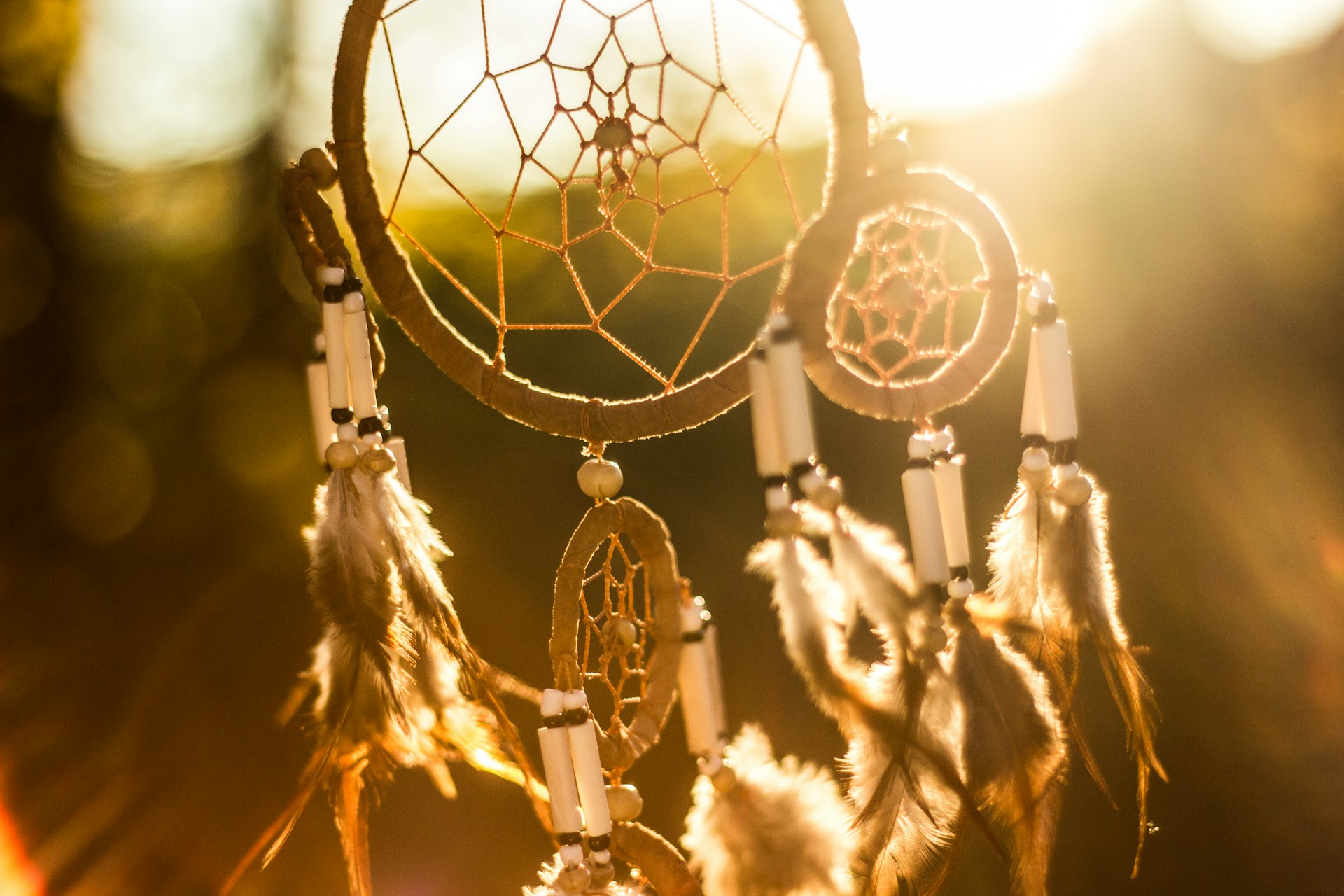
An Indigenous dreamcatcher in warm autumn light. (Andreas Wagner/Unsplash)
Organizations wanting to advance Indigenous wellbeing in the workplace must prioritize hiring Indigenous people, say those working in the sector.
According to the 2023 Civic Action Report, only three per cent of leadership roles at Canadian non-profits are currently held by Indigenous people.
“If you’re working with a 90 per cent Indigenous community, there should be 90 per cent reflected back in those leadership roles,” said Talitha Tolles, senior manager of learning and wellbeing at MakeWay, speaking at Future of Good’s Changemaker Wellbeing Summit.
“Ensure that Indigenous leaders are in decision-making roles,” she said.
Too often, non-profit organizations pigeonhole Indigenous people and staff into advisory positions without any actual decision-making power, Tolles said. Worse yet, they’re not always compensated for their time.
Retaining and supporting Indigenous staff requires deliberately creating healthy, inclusive work environments, Tolles said. That means establishing board and leadership training that goes beyond standard diversity workshops.
Micheal Redhead Champagne, a community organizer from Winnipeg’s North End with roots in Shamattawa First Nation, told attendees that non-Indigenous people need to take a more active role in reconciliation, including having a personal action statement rather than relying on organizational commitments.
“We gotta stop asking Indigenous people to do the land acknowledgement—we acknowledge the land every day, we acknowledge the land at every protest, we acknowledge the land all the time,” he said.
“We need to start seeing non-Indigenous people giving land acknowledgements that also talk about their relationship as non-Indigenous people to that territory, that describe how they have benefited from that land and the actions that they’re going to take.”
Too often, Indigenous people are asked to repeat themselves, Champagne said, stressing that the United Nations Declaration on the Rights of Indigenous People, the Truth and Reconciliation Commission, and the Missing and Murdered Indigenous Women and Girls report have all said the same things.
“It’s all saying, listen to us, respect us. Don’t kill us, don’t take our kids, don’t take our land. That’s what they’re all saying in as creative ways as possible to try to make different systems pay attention to those very simple fundamental truths.”
He said organizations that want to invest in inclusive Indigenous wellbeing must understand the interconnectedness of Indigenous worldviews, the importance of intercultural and intergenerational connectedness, and the impact of current and historical events.
“So Indigenous wellness really, to me, means listening to our knowledge keepers, learning our language, listening to our culture, and then living that good life so that we can share our example and our teachings with other people, in whatever we may be doing,” Champagne said.
“And when good things happen, they have to become part of the policy system strategic plan.”
Alexandra Biron, Deloitte Indigenous’s senior manager, described Indigenous wellness and wellbeing concepts as evolving and diverse.
“Because the truth is our people are diverse,” she said, adding there are more than 600 Indigenous communities inside Canada’s borders, speaking more than 70 different languages.
Deloitte launched its first reconciliation action plan five years ago to hold the firm accountable for its education, employment, inclusion, and economic empowerment commitments.
“Our employment pillars and inclusion pillars are around striving to create a workforce that celebrates Indigenous cultures and traditions,” Biron said. “And really wellness and wellbeing is at the forefront of that.”
The Indigenization of reconciliation and inclusion has led to enhanced cultural sensitivity throughout the firm, she said, and hopefully, better levels of wellbeing.
However, while the organization was enthusiastic about the reconciliation action plan, some implementation aspects had challenges.
“We’ve made these commitments. We are on this journey,” Biron said. “But to actually operationalize them and to update 16,000 employees across Canada does take some time. But, nonetheless, we were proud of some of the progress we’ve made.”
Tolles said that, in her experience, Indigenous wellbeing is rooted in relations within and between Indigenous communities, ancestors, future generations and the land, something that can translate to “collective care.”
“Which is when employees actively support one another’s wellbeing and growth, rather than relying on top-down policies or individual self-care and community accountability,” she said.
Creating a shared responsibility for building healthy and inclusive environments where open communication is possible opens the door to addressing harm in restorative ways, Tolles said.
“Our stories are acts of resistance, our healing practices, our ceremonies, those are all acts of resistance, and anti-oppression work recognizes that healing isn’t separate from justice,” she said.
Your job. Your mission. Your news.
With your support, the sector you're building gets the journalism it deserves, and you get a tax receipt.

Related Articles

Caste, corruption, and the collective: Crow’s Theatre’s A Fine Balance confronts India’s enduring inequities with humour and heartbreak
The Giller Prize-winning novel explores the realities of caste violence in India, which has been adapted into a powerful stage production in Toronto.
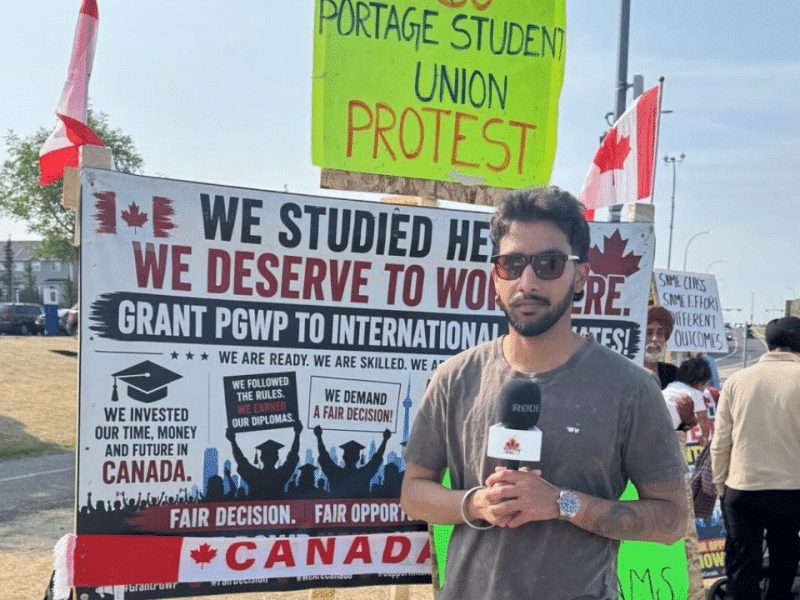
‘Canada must not go down that road’: More than 250 organizations demand investigation into CBSA after student protesters issued exclusion orders
The students were protesting after being denied post-graduation work permits they say they were eligible for when they enrolled at Portage College.
Half of Filipino immigrants to Canada are overqualified for their jobs: StatCan
‘For the relationship that Canada has with the Philippines, it seems like it’s lopsided.’
