Trailblazing Iraqi-Canadian activist Yanar Mohammed killed outside Baghdad home
The feminist leader’s death is a devastating loss for women’s rights movements in Iraq and around the world, say advocates.
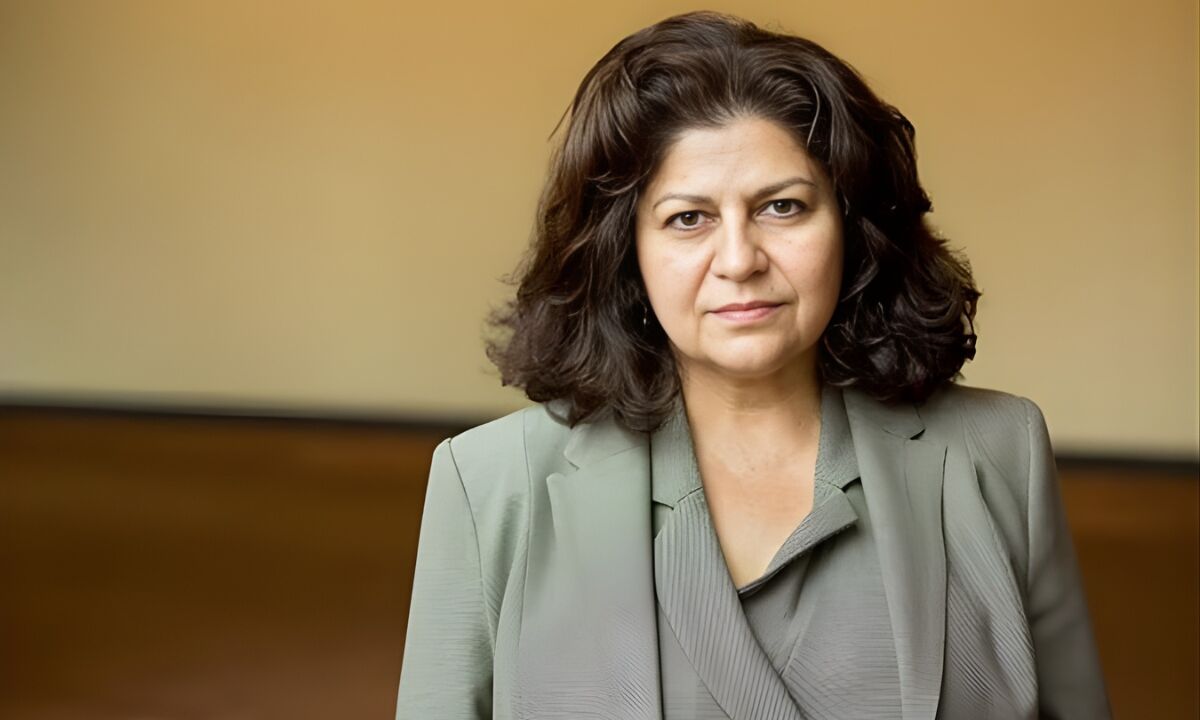
Iraqi-Canadian activist Yanar Mohammed was killed outside her home in Baghdad Monday, March 2, 2026. (Madre/Supplied)
Iraqi-Canadian feminist and activist Yanar Mohammed was killed outside her home in Baghdad Monday. She was 65.
According to the Organization for Women’s Freedom in Iraq, which she founded, two men on motorcycles approached her outside her house in northern Baghdad Monday morning and opened fire.
She died in hospital. There have been no arrests.
“We stand with … human rights organizations around the world, in our condemnation of her assassination,” reads a statement from Canada’s The Equality Fund. “We, like others, consider her death to be a direct attack on women’s rights, freedoms and feminist movements at large.
“To us, at the Equality Fund, she was a friend and ally whose work was grounded in unflinching moral and political clarity. She worked on the frontlines, creating an infrastructure of safe houses for hundreds of women fleeing violence, oppression and exploitation. She did this work despite threats to her personal safety from the very start. Her bravery and commitment were unparalleled.”
Mohammed was born in Baghdad in 1960 and trained as an architect, earning her master’s degree from Baghdad University. In the ’90s, she moved with her family to Canada, seeking to escape Iraq’s dictatorship and dire economic conditions.
During her time in Toronto, Mohammed’s political activism took shape. She founded the Defense of Iraqi Women’s Rights. In 2003, following the U.S.-led invasion of Iraq, she moved back to Baghdad to advocate for a secular, democratic future for her home country.
There, she co-founded the OWFI the following year.
@futureofgood This death is a devastating loss for women’s rights movement in Iraq, advocates say. #Iraq #Baghdad #Womensrights ♬ original sound – Future of Good
“We were sure the future government would not be a woman-friendly one,” she said in an interview in 2007. “From the first day our policy was to try to gain support from outside Iraq. We got help from Canadian, European and U.S. supporters.”
Asked to describe the challenges she and her co-workers faced, she said “… the biggest one … is you’re speaking about a city of different militias, each of them funded by another country and fighting amongst themselves. Everybody is hanging out with their machine guns. It’s a place where speaking about your rights is not a priority for these militias.
“Some sort of government is trying to survive while doing a new military security plan every other month. At times, your whole neighbourhood is surrounded by military who are searching houses, or streets are closed for some international conference where they are trying to solve political issues, though nothing is being solved.”
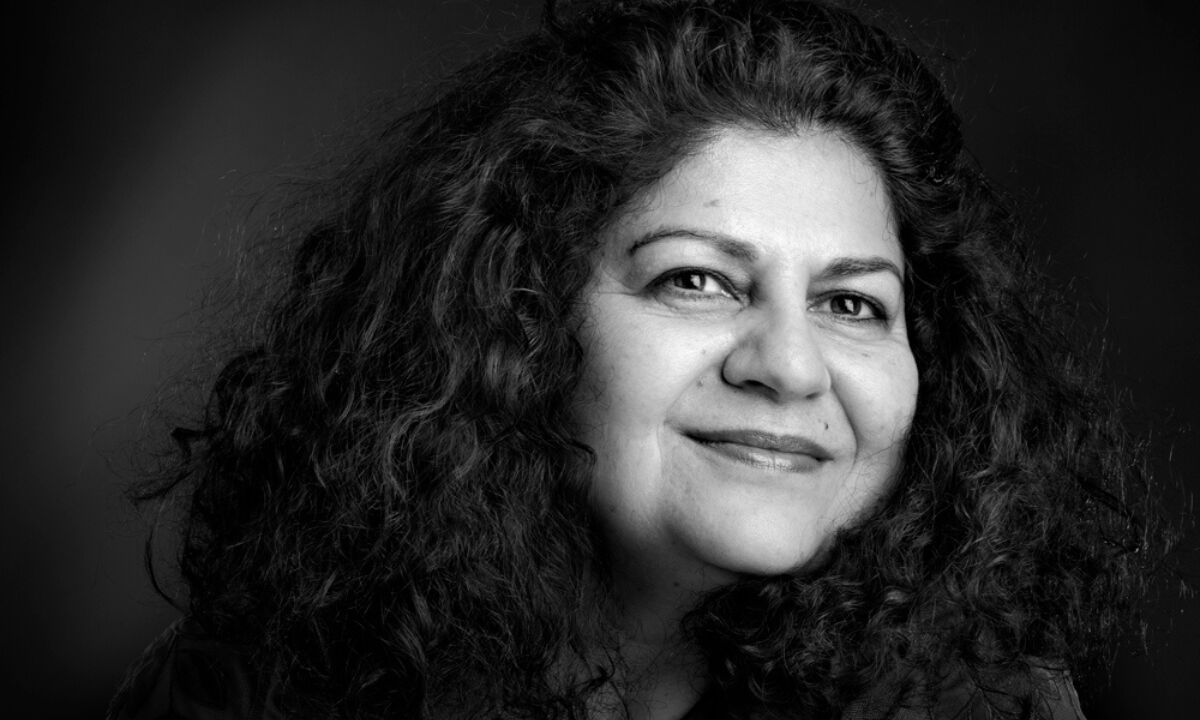
Yanar Mohammed won Norway’s Rafto Prize for her tireless work fighting for the rights of Iraqi women in 2016. (Hans Jorgen Brun/Rafto.no)
Recognizing a surge in “honour killings”, domestic abuse and sex trafficking following the collapse of the previous government, Mohammed established Iraq’s first network of women’s shelters. By 2019, the network had expanded to 11 safe houses across five cities, providing protection to hundreds of vulnerable women.
Mohammed was also a prominent journalist, serving as the Editor-in-Chief for the newspaper Al-Mousawat (Equality). Through her writing, she advocated for secularism and full gender equality, often using biting satire to criticize religious extremists and the imposition of fundamentalist dress codes.
Mohammed was a fierce critic of both the U.S. occupation of Iraq and the rise of political Islam. She campaigned against the 2005 Iraqi Constitution, arguing that Article 2- which made Islamic Sharia the primary source of legislation – would turn women into “second-rate citizens” and would strip them of their rights regarding marriage, divorce and custody.
Her defiance made her a constant target. She faced death threats from extremist groups, and in recent years, she fought a high-profile legal battle against the Iraqi government, which tried to dissolve OWFI on the grounds that its shelters were illegal and that the organization supported the rights of LGBTQ+ people. OWFI won the court case in 2020.
“The government has found elusive ways to attack women, for example, with smear campaigns,” she told Nobel Women’s Initiative.
“It is not unusual to see social media posts lying about women. A colleague of mine was targeted with her photo and a caption warning that she is a trafficker of minors and saying that she is looking for teenagers to buy and sell.
“The government starts with smear campaigns, then court cases, to stop you from doing your human rights work, and if that doesn’t work, then they kidnap and kill you.”
Her work was honoured several times, including The Gruber Prize for Women’s Rights in 2008, Norway’s Rafto Prize in 2016 and the Franco-German Prize for Human Rights and the Rule of Law in 2025.
“One of her most enduring legacies will be her commitment to nurturing leaders and activists across Iraq who will continue the work she built, in solidarity with all those who believe in freedom and safety for women and girls,” said The Equality Fund.
“As we grieve, we honour Yanar Mohammed’s extraordinary life’s work – steadfast in her pursuit of justice and unwavering in her courage.”
“Yanar’s assassination is a stark reminder of the risks feminist leaders continue to face globally, and of the ongoing threats to human rights movements,” reads a statement from Madre, one of OWFI’s partners.
“Yet, we also remember that Yanar’s life was a testament to feminist courage rooted in action and fueled by love. She protected people where there was danger, created platforms where women could speak out, and insisted that all people deserve full rights.”
Your job. Your mission. Your news.
With your support, the sector you're building gets the journalism it deserves, and you get a tax receipt.

Author

Related Articles
Humanitarian aid groups granted interim injunction to continue working in Gaza
Aid organizations from around the world came together to launch a formal petition to the Israeli High Court earlier this week.
UPDATE: Canada‑linked aid agencies petition Israeli court to stop March 1 Gaza shutdown
As part of a new registration requirement with the Israeli authorities, humanitarian aid organizations were required to provide personal information of Palestinian and international aid staff working in the Occupied Palestinian Territories. Several aid organizations around the world refused to do so, and are now being told to cease operations by Israeli authorities.
