Done improperly, impact investing can cause more harm than good: Advocates
At the Catalyst: Community Finance Summit in Winnipeg, leaders warned that poorly designed impact‑investing practices can retraumatize clients, distort ecosystems, and delay essential funding
Why It Matters
Impact investing is often framed as a win‑win, but frontline leaders say current data‑collection and investment practices can create real harm for the very communities they aim to support. As governments and major funders increasingly turn to impact‑measurement models, the sector must confront how consent, governance, and power imbalances shape outcomes.
By Tiago Resko
Community finance leaders say impact investing and the data collection needed to prove impact may unintentionally harm the community the money is supposed to help.
“The systems, what we’re asked to collect, what’s coming from the top down, is oppressive. It’s not actually serving the need and is failing everyone,” said Omar Yaqub, who works for IslamicFamily in Edmonton.
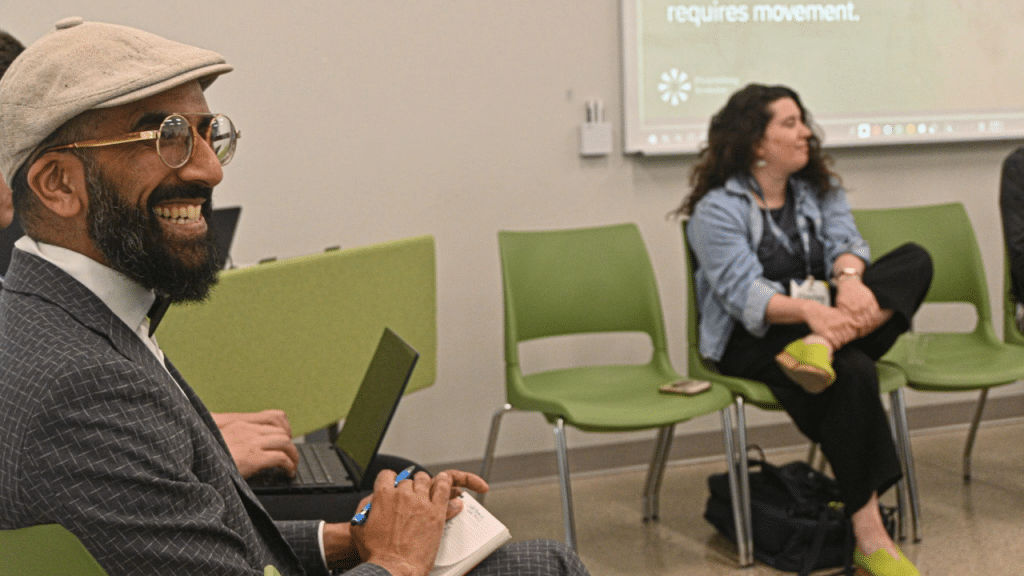
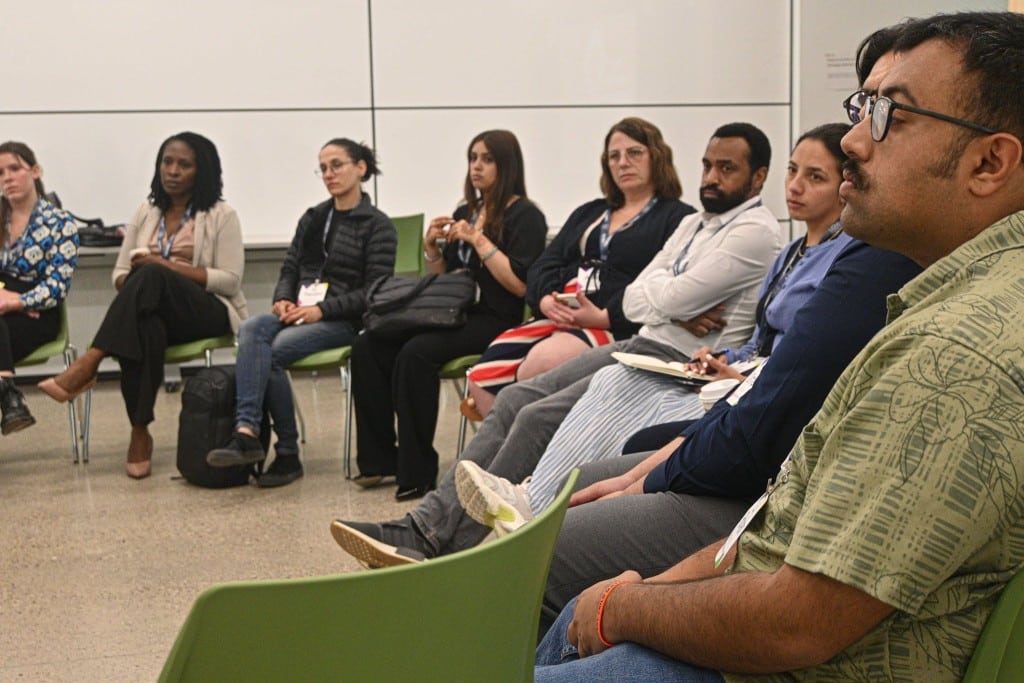
Yaqub made the remarks during a discussion he facilitated at the Catalyst: Community Finance Summit on May 28 in Winnipeg, which brought together organizations, funders, investors and ecosystem allies to learn about and advance the community finance sector.
Impact investing is a model that allows organizations to make a measurable positive change with their funding while also making a profit.
The current data-collection system for impact investing often demands invasive information from people leaving traumatic situations, Yaqub said.
The data often doesn’t get used, and sometimes the people who applied don’t qualify for the program, even though they’ve relived a traumatic experience.
The process itself is often rushed because it’s done at the end of a quarter or work week, siloed into one program and ultimately doesn’t show how different independent data sets connect to illustrate the bigger picture, he added.
Fixing the system means a human approach.
To fix these issues, IslamicFamily built Flourishing Systems, a technology that takes a human-centred approach to data collection, said Yaqub.
The system aims to free up time for front-line workers and make data collection more ethical.
The system uses AI to handle monotonous administrative work social workers need to do, giving them more time to help people, he said.
The system also focuses on client consent and transparency, so they know where their data is being shared and how it’s used.
“When we collect data, we often think it belongs to our organization, but really, the data belongs to the people who come to us,” he said.
Laurentia Perrin, who works in Montreal with Common Approach to Impact Measurement, said moving towards a system where people own their data helps address the tension between social workers’ need to gather information and the fatigue people feel when asked to share it.
“What I really like about the solution is hearing from the communities most affected by the problem,” she said.
When used ethically, AI can play a significant role to remove some of the burden of administrative tasks from social workers, said Perrin
However, with the use of AI, individual consent and proper data governance are critical to ensure personal data is used and stored correctly, she added.
Daniel Waycik, who is an Operations Director at Persons Community Solutions based in Winnipeg and goes by one/theirs pronouns, said one’s been using a people-first model for the last decade and is glad to see more organizations adopting it.
“It’s frustrating that it took this AI excitement for them to adopt and accept these methodologies,” said Waycik.
Unintentional harm
During the workshop, Waycik shared one’s experience with big impact investors unintentionally creating harm.
Waycik’s organization was working with a program that needed funding to hire and train people with employment barriers.
The government was ready to provide funding, but then a major foundation also got involved and wanted to invest.
The foundation spoke with the government about funding the project without Waycik’s organization’s knowledge, and the province withdrew its investment.
They ultimately secured the government investment after a discussion with the foundation, but the process was delayed by 2 years, meaning program clients had to delay their education by the same amount of time, one said.
“[The foundation had] the internalized belief that what they’re doing is a favour when, really, it’s a purchase,” said Waycik.
“They have this mindset of ‘Oh, we’re helping things, so everything we’re doing is good.’ It’s all good intentions … but they didn’t really see the damage that was having in the ecosystem.”
Waycik emphasized the funding they received is helping and that his organization was grateful to receive it.
“The investment was great. It made sense, it’s doing the work now. The problem was more that … it took the course it would have taken either way, and they did really good at the relationship… but it was one of those things where we had to educate and kind of explain to them, ultimately, after the fact.”
Update, June 11: Two paragraphs at the end were added to provide additional context around the funding relationship.
Your job. Your mission. Your news.
With your support, the sector you're building gets the journalism it deserves, and you get a tax receipt.

Related Articles

Montreal Sustainable Finance Summit: Inequality makes its way onto companies’ financial risk disclosures
The launch of the TISFD signals that social risk is no longer peripheral to financial stability, but is the next major test of whether markets can adapt to a world in crisis
Boann, feds commit to loan guarantee for social finance intermediaries
The Impact Guarantee is a pilot program that, through the tried and tested model of loan guarantees, could support, derisk and expand small and medium-sized social finance intermediaries.

Explainer: Canada takes another step toward a national fund to help community lenders get the financing they can’t access now
A first‑loss commitment from Boann signals that Canada’s long‑discussed loan‑guarantee infrastructure for community lenders is finally taking shape
