32 actions Canada can take to protect temporary foreign workers from ‘slavery’, abuse: Amnesty International
Agricultural workers are excluded from labour protections in some provinces.
Why It Matters
Canada’s temporary foreign worker programs have been called “contemporary slavery,” but improvement is possible if significant reforms are enacted.
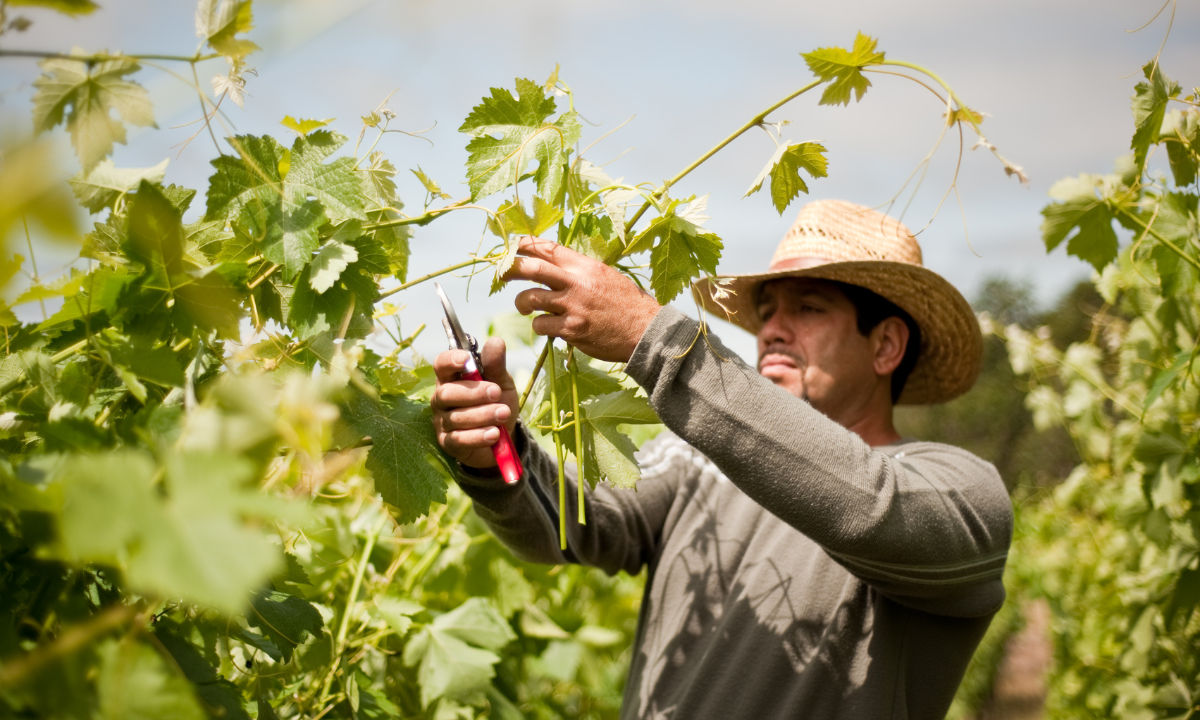
Temporary foreign workers in Canada need better protections, according to Amnesty International. (Canva)
Canada’s temporary migration programs are the legacy of slavery and white migration policies, according to a new report, which outlines 32 actions authorities can take to eliminate abuse and facilitate justice.
“Exploitation, discrimination and abuse are integral features, not bugs, of the Temporary Foreign Worker Program (TFWP),” said Ketty Nivyabandi, secretary general of Amnesty International Canada’s English-speaking section.
“Leaders must implement the reforms required to bring the program in line with Canada’s human rights obligations—and, ultimately, to respect the rights of workers,” she said.
‘Canada has destroyed me’: Labour exploitation of migrant workers in Canada criticizes the TFWP for allowing employers to hire migrant workers, primarily for low-paid jobs, across various sectors, including agriculture, food processing, healthcare, construction and hospitality.
Within this system, workers are tied to a single employer who controls their migration status and labour conditions. The report’s authors assert exploitation will continue as long as this caveat remains.
The organization called on the federal government to abolish all closed work permits and tied work visas and grant migrants open work permits instead, allowing them to leave abusive employers without penalty.
The government should revamp eligibility criteria for permanent residency to remove barriers that discriminate against “low-skilled” migrant workers based on class, gender, nationality and race, the report stated.
Canada currently relies on short-term temporary migration to address structural labour issues, which the report’s authors said can only be properly addressed by revising migration policies to better respond to labour market realities.
The report also asks Canada to sign the United Nations Optional Protocol to the ICESCR, the International Convention on the Protection of the Rights of All Migrant Workers and Members of Their Families.
“Many migrant workers have told us they came to Canada hoping to secure a better future, yet instead, they felt they were treated like slaves,” said Erika Guevara-Rosas, Amnesty International’s senior director of research, advocacy, and policy.
“These workers are vital for putting food on the country’s tables and caring for the elderly,” she said. “They deserve much better.”
The international humanitarian organization also urged provincial governments to repeal legislation and provisions restricting agricultural workers’ access to collective bargaining.
Specifically, it called on Ontario to repeal the Agricultural Employees Protection Act and amend the Labour Relations Act so agricultural workers are no longer excluded from its protection.
Alberta and Quebec also exclude agricultural workers from some provisions within their labour laws.
In 2023, the United Nations Special Rapporteur on the global scourge of modern slavery described Canada’s temporary foreign worker programmes as “a breeding ground for contemporary forms of slavery.”
“I am deeply disturbed by the accounts of exploitation and abuse shared with me by migrant workers,” Tomoya Obokata said
The recently created Canadian Ombudsperson for Responsible Enterprise (CORE) and other codes of conduct are positive steps but don’t go far enough, Obokata said at the time.
In its report, Amnesty International stressed that Canada’s migrant housing must meet international obligations and standards, be affordable and habitable, and guarantee dignified living conditions.
Too often, these basic standards are not met, it said, partly due to a lack of oversight.
Your job. Your mission. Your news.
With your support, the sector you're building gets the journalism it deserves, and you get a tax receipt.

Related Articles
‘The need is endless’: Food insecurity highest in Canada’s Black, Arab and Indigenous communities
Food insecurity gaps aren’t closing, so community organizations across Canada are trying new ways to help beyond just providing food.

Controversial Palestine exhibit opens at Canadian Museum for Human Rights
The exhibit, called Palestine Uprooted: Nakba Past and Present, drew criticism even before it opened at the national museum in Winnipeg.

Vancouver tests new app to map accessibility in parks and trails
The pilot program allows app users to identify barriers in city parks to help make outdoor spaces more accessible and inclusive for everyone.
