‘The basic foundation of our democracy is our humanity’: An in-depth conversation with Celina Caesar-Chavannes
Caesar-Chavannes on inclusion and anti-racism, sharing her story as a Black woman in Canadian politics, and more
Why It Matters
It’s been over half a year since 2020’s renewed attention to the Black Lives Matter movement, and important conversations have begun, but true, systemic change in Canadian politics, policy, and civil society has yet to come to fruition.
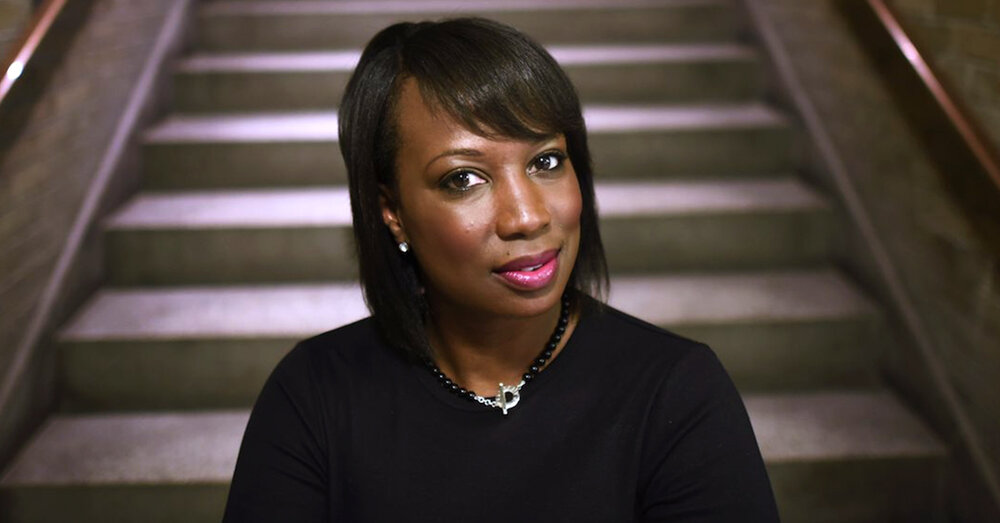
Celina Caesar-Chavannes’s new book has a powerful name: Can You Hear Me Now?
“I am ready to tell my story,’ Caesar-Chavannes wrote on Twitter. “It’s unapologetic. It’s uninhibited. It’s unafraid. It’s authentic. It’s vulnerable. It’s truth.”
As a former Member of Parliament, Caesar-Chavannes has moved critical conversations forward. She’s been vocal about the racism she’s experienced as a Black woman in politics, systemic racism in Canadian public policy, and the urgent need for Canadians to engage with their political systems.
Future of Good publisher Vinod Rajasekaran sat down with Caesar-Chavannes to learn about her career, her visions for the future of Canada, building an anti-racist social impact world, and more.
Vinod Rajasekaran: A lot has transpired since COVID arrived, and certainly since the killing of George Floyd and the renewed energy around the Black Lives Matter movement. How would you characterize the times we’re living in?
Celina Caesar-Chavannes: We are living in a moment of history that we haven’t seen in a very long time. I think where we’re having these very important, intersectional conversations. We’re talking about racial equity, we’re talking about living through a pandemic, which is further highlighting disparities between the haves and have nots. And then climate change didn’t go anywhere. The refugee crisis is still existing. We’ve kind of forgotten about all of these big world issues that are causing shocks to our economic, political and social systems. And now they’re converging in this way that I hope people don’t forget about. It is a moment in history, I think, like no other that we’ve ever seen, and an opportunity for us to really have those critical conversations about how we address some of these issues.
Vinod: I moved to Canada when I was a kid. My parents immigrated here from India and they just loved how Canada was being sold, and they loved the multicultural ideals and policies. But when we landed here, I remember my parents saying, there’s something missing between what we heard before we arrived and what we’re feeling now after we’ve landed. What’s your take on this — on the story Canadians tell ourselves about the kind of people we are?
Celina: My parents came to Canada in the 1970s, and I write about it in the book. I described it as a haunt. Seeing my parents come home, really excited to be in Canada, a place where they could create a new life, a much better life for themselves. But also hearing them have these conversations about what I described as a haunt, which I later described as racism, and how you have to navigate these systems that aren’t very welcoming, that don’t really give a sense of belonging. We’re in this state where people are woke about racial inequality. Well, you know, I’ve been awake my whole life.
The challenge right now is that we use multiculturalism, or now what we call diversity, as our strength. And we really need to challenge the notion of having diversity as being a strength of an organization, of a country. If we’re happy to just have a whole bunch of diverse populations and none of them are connecting, nobody’s talking, nobody’s actually sharing stories and building empathy, then how could we have inclusive spaces? How can we strive towards equity, which is what we want? Then we are just letting our diversity stand there stagnant.
Vinod: But other countries look to Canada as an example of inclusivity. Where’s the disconnect?
Celina: I was the parliamentary secretary for international development for two years, and we have this amazing feminist international assistance policy. I was proud to speak about it. It was informed by a lot of organizations domestically and internationally. And every time I would go out internationally to speak about this policy, it would be met with rave reviews. And then I’d put on the brakes and say, But we also have work to do. The number of missing and murdered Indigenous women is a stain on our nation like no other. We have to talk about what we do domestically. We are a beacon for a lot of countries, but we also have to have the humility to be able to say we have challenges that we really need to work on.
Vinod: You’ve held a number of positions in government. Why is it important to you to be open and transparent about your personal experiences around being a Black woman in politics?
Celina: The basic foundation of our democracy is our humanity. We have to show up as human beings to each other, without the facade, without pretending that we are so perfect. That is one of the reasons why I’m really open with my mistakes, with all my pains. I’m just a regular person who happened to have a job in politics. And in order for me to develop policy that is going to help those who need it the most, people who are public servants need to have that humility, as well as that empathy, to connect with people. Otherwise, the policy that you’re developing without the lived experience, without the understanding of lived experiences of people, what is it for? Is it for your own political expediency or is it for the greater good? And that’s something that we really need to challenge ourselves on. Democracy doesn’t happen every four years when we cast a ballot — direct democracy should happen every day. And we’ve seen it with the global protests around Black Lives Matter. We see it when parents are advocating for their children. We see it when people actually are active in their civic engagement and their civic duty. So if we’re going to be active, let’s connect as human beings to make sure that we’re doing a greater good for the people who need it the most.
Vinod: Do you have any regrets or missed opportunities when you look back on your career thus far?
Celina: The first one would be the ability to make the connections that I needed to make to push the agenda forward on a number of different issues, throughout those whole four years. I talked about this in my book — just not building those relationships with opposition, with members of my own party, that would be really critical to moving and advancing some of the issues that I wanted. I kept thinking, Oh my God, you’re the only Black woman here. And I got this kind of stuck in my head. But I wasn’t the only. I was there with a number of different people who could have helped to move that political world forward.
I think many communities are tired of the lip service and the consultation and the reports that need to be done. We’ve been consulted, we’ve been reported. Now it’s the time to do, at this point, at this moment in our history, leveraging the urgency of now to get it done. If our allies are not jumping on board and saying, Yes, this is a critical issue, we have to leverage our diversity. We have to ensure that when we look at the data that we’re not leaving people behind. I’m so worried that we’re not going to capitalize on this moment. I’m so worried about that, because I don’t know if we’re going to see something like this happen again.
To see more of this conversation in video, including what Caesar-Chavannes learned about her own power during her time in politics, the state of Canadian democracy and racial equity, and more, attend the Future of Good Black Leadership in Social Impact Summit. Click here to secure your spot.
Your job. Your mission. Your news.
With your support, the sector you're building gets the journalism it deserves, and you get a tax receipt.

Related Articles

Half of Filipino immigrants to Canada are overqualified for their jobs: StatCan
‘For the relationship that Canada has with the Philippines, it seems like it’s lopsided.’
Partnered Partnered content How construction contracts became the blueprint for social change in Manitoba
Manitoba is a leader in social procurement, with decades of partnerships among government, businesses and social enterprises that have shaped a model other communities can learn from.